
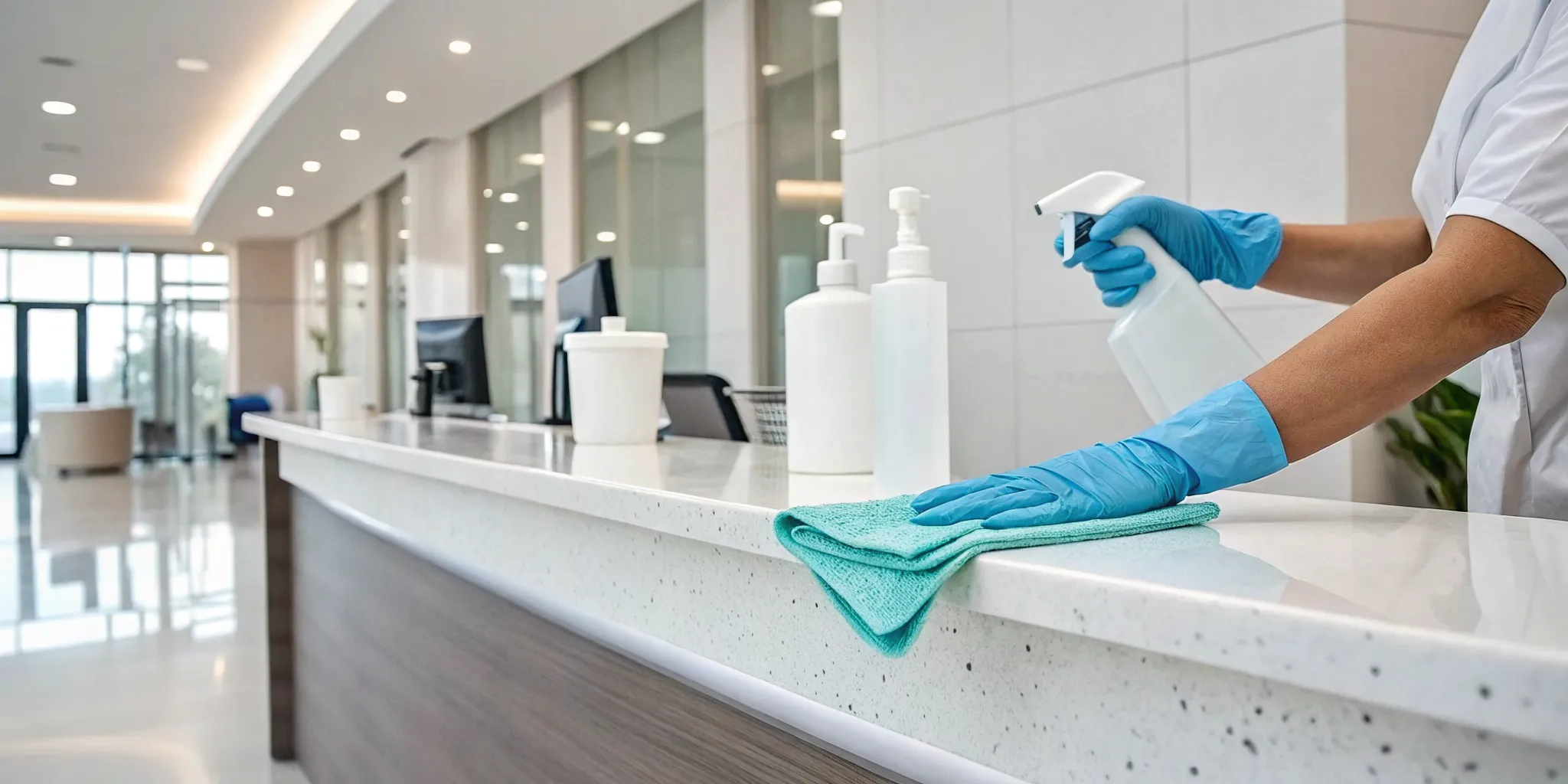
Choosing a cleaning service for your medical office is about much more than finding the lowest price. It’s about investing in the health and safety of everyone who walks through your doors. While medical office cleaning prices can seem significant, they represent a crucial part of your risk management strategy. A properly sanitized environment reduces the spread of healthcare-associated infections, ensures you meet OSHA and HIPAA standards, and builds patient trust. Think of it less as an expense and more as a foundational element of patient care. Let’s explore what goes into a professional quote and why the value of a specialized service far outweighs the cost.
Key Takeaways
- Expect a custom quote, not a flat rate: Medical office cleaning prices depend on your facility’s unique details, including its size, layout, patient volume, and how often you need service.
- Medical cleaning is a specialized service: The higher cost reflects the need for cleaners trained in OSHA and HIPAA regulations, the use of hospital-grade disinfectants, and specific methods to protect patients.
- Vet your cleaning partner thoroughly: Look beyond the price tag and prioritize companies with proven healthcare experience; always ask for proof of insurance, staff certifications, and a detailed contract based on an on-site walkthrough.
How Much Does Medical Office Cleaning Cost?
When you’re managing a medical facility, budgeting for cleaning services is a top priority. You need a space that’s not just tidy but truly sanitary for your patients and staff. The cost can vary quite a bit, but understanding the key factors will help you get a clear picture of what to expect. Pricing depends on your facility’s size, the specific services you need, and how often you need them. Think of it less as a standard expense and more as a critical investment in your facility’s health, safety, and reputation. Let’s break down the typical costs and explore why medical cleaning requires a specialized approach.
Average Costs by Facility Size
On average, you can expect medical office cleaning costs to range from $0.10 to $0.35 per square foot. If a company prices by the hour, rates typically fall between $25 and $80. For a small practice, a basic cleaning plan might start around $300 per month, but this price scales with the size and complexity of your facility. For example, a standard doctor’s office might cost between $500 and $1,200 monthly, while a larger urgent care center could range from $1,000 to $2,500. These figures give you a solid baseline for what to budget for professional cleaning services that meet healthcare standards.
Why Medical Cleaning Is Different from Standard Office Cleaning
You might notice that quotes for medical cleaning are higher than those for standard commercial cleaning services, often by 25% to 50%. This isn’t an upsell; it reflects the specialized nature of the work. Unlike a typical office, medical facilities require cleaners with specific training in OSHA standards for handling bloodborne pathogens and HIPAA regulations for patient privacy. The job also demands hospital-grade disinfectants and equipment designed to prevent cross-contamination. Plus, cleaners must adhere to strict protocols, like allowing disinfectants to sit for a specific “dwell time” to effectively kill germs, which makes the process more detailed and time-consuming.
What Factors Affect Medical Office Cleaning Costs?
When you’re budgeting for medical office cleaning, you’ll find that prices aren’t one-size-fits-all. The final quote you receive depends on a unique set of variables specific to your facility. Unlike a standard office, a healthcare environment has stringent requirements for safety, sanitation, and compliance that directly influence the cost. Understanding these factors will help you see exactly what you’re paying for and why a specialized service is a critical investment.
Key elements that shape the price include the physical size and complexity of your space, how frequently you need cleaning services, and the specialized products and equipment required to do the job right. Additionally, the level of training and certification of the cleaning staff plays a major role, as does your clinic’s geographic location. Let’s look at each of these factors more closely.
Your Office’s Size and Layout
It makes sense that the bigger your office, the more it will cost to clean. But it’s not just about square footage. The layout of your facility is just as important. An office with a dozen small exam rooms, multiple restrooms, and a complex floor plan will take more time and effort to clean than an open-plan space of the same size. Each room, corner, and surface adds to the workload. A professional cleaning company will consider the number of patient rooms, labs, waiting areas, and administrative offices to create an accurate estimate. This is why a site visit is often the first step in getting a precise commercial cleaning quote.
How Often You Need Cleaning
The frequency of cleaning services is another major factor in your monthly cost. A medical facility with high patient traffic may require daily cleaning to maintain a safe and sanitary environment. While a daily service will have a higher monthly price tag, the cost per visit can sometimes be lower because the space is consistently maintained, preventing heavy buildup of dirt and germs. On the other hand, a smaller specialty practice might only need cleaning a few times a week. A good cleaning partner will work with you to develop a custom schedule that meets your facility’s specific needs and traffic patterns, ensuring you only pay for what you truly need.
Specialized Equipment and Products
Cleaning a medical office requires much more than a mop and a bottle of all-purpose spray. To properly disinfect and prevent cross-contamination, professional cleaners use hospital-grade, EPA-approved disinfectants that are effective against a wide range of pathogens. They also use specialized tools like HEPA-filter vacuums to capture airborne particles and microfiber cloths to trap dust and germs effectively. The cost of these high-quality products and advanced equipment is factored into the service price, ensuring your facility meets the highest standards of cleanliness. This is a key difference that sets medical-grade cleaning apart from standard janitorial services.
Staff Training and Certifications
The people cleaning your facility need specialized knowledge to work safely and effectively in a healthcare setting. Reputable cleaning companies invest heavily in training their staff on critical protocols, including OSHA’s bloodborne pathogen standards and HIPAA regulations to protect patient privacy. This training ensures the team knows how to handle potentially infectious materials, avoid cross-contamination between rooms, and work discreetly and professionally. This expertise is essential for compliance and patient safety, and it represents a significant part of the value and cost associated with a professional medical cleaning service.
Your Geographic Location
Where your medical office is located also plays a role in determining cleaning costs. Just like with many other services, prices can vary based on the local market. Operating costs, including labor, insurance, and transportation, are typically higher in major metropolitan areas like Washington D.C. compared to smaller towns or suburban areas in Maryland and Virginia. This regional difference in the cost of doing business is naturally reflected in the pricing for commercial cleaning services. When getting quotes, it’s helpful to remember that local economic factors will influence the final number.
How Do Cleaning Companies Price Their Services?
When you start looking for a cleaning partner for your medical office, you’ll find that companies use a few common pricing models. Understanding how these work will help you compare quotes and find a plan that fits your budget and needs. The three most popular methods are per-square-foot pricing, hourly rates, and flat monthly fees. Each has its own logic, and the best one for you depends on factors like the size of your facility, the complexity of the cleaning required, and how predictable you need your expenses to be. It’s easy to get overwhelmed by the numbers, but breaking down these structures makes the process much clearer.
A key thing to remember is that a generic price list is often a red flag. Because every medical office is different, a reputable company won’t just give you a number without understanding your specific situation. They should conduct a thorough walkthrough of your space to assess your unique requirements. This allows them to create a customized plan that covers everything from waiting rooms and exam rooms to more sensitive areas like labs or surgical suites. A detailed proposal ensures there are no surprises and that the commercial cleaning services you receive are perfectly matched to your facility’s demands. This initial consultation is key to getting an accurate and fair price for the high level of cleanliness your medical practice requires.
Per-Square-Foot Pricing
This is one of the most straightforward pricing methods you’ll encounter. The cleaning company calculates the cost based on the total square footage of your office. Generally, you can expect rates to fall between $0.10 and $0.35 per square foot. This model makes it simple to get a ballpark estimate of your cleaning costs, especially if you know the size of your facility. The exact rate within that range depends on the scope of work. For example, an office with mostly easy-to-clean vinyl flooring might be on the lower end, while a facility with extensive carpeting and multiple specialized treatment rooms may be on the higher end. It’s a transparent way to price services, directly tying the cost to the amount of space that needs attention.
Hourly Rates
Another common approach is charging an hourly rate, which typically ranges from $50 to $60 per hour for a trained cleaning team. This model is based on the amount of time the crew spends cleaning your facility. It can be a great option if your cleaning needs vary from week to week or if you require specific, time-consuming tasks that are hard to bundle into a flat fee. Keep in mind that this rate usually covers the cost of a professional team, not just a single cleaner, along with their equipment and supplies. This pricing structure offers flexibility, allowing you to pay for exactly the time and effort required. It’s particularly useful for one-off deep cleans or for facilities that need to add or subtract tasks from their cleaning schedule on a regular basis.
Flat Monthly Fees
For medical offices that prefer predictable budgeting, a flat monthly fee is often the ideal choice. With this model, you pay a consistent price each month for a pre-defined scope of services. For small to mid-sized practices, these fees often range from $500 to $3,000 per month. This all-inclusive price is determined after an initial assessment of your facility, where the cleaning company evaluates your needs and the frequency of service required. The biggest advantage here is stability. You know exactly what your cleaning expenses will be, which simplifies financial planning. This agreement outlines all the included tasks, from daily disinfection to weekly hard floor cleaning, ensuring your facility receives consistent, high-quality service without any fluctuating costs.
How Does Cleaning Frequency Affect Your Budget?
One of the biggest factors influencing your cleaning budget is how often your facility is serviced. The right frequency depends on your patient traffic, the types of procedures you perform, and the level of cleanliness you need to maintain for safety and compliance. Finding the sweet spot between daily, weekly, or a custom schedule is key to managing costs while ensuring your medical office remains a safe and welcoming environment for patients and staff. It’s not just about cleaning more or less; it’s about cleaning smarter.
Daily vs. Weekly Cleaning Costs
Deciding between daily and weekly cleaning involves a simple trade-off. Daily cleaning services will naturally have a higher monthly price tag than weekly services. However, the cost per visit is often lower because your facility stays consistently clean, requiring less intensive work each day. For example, a medical office might spend between $500 and $1,200 per month for daily service. In contrast, weekly cleaning costs less overall but each session may be longer and more involved. The best choice depends on your facility’s specific needs. High-traffic areas and examination rooms benefit from daily attention, while less critical spaces might only need weekly service.
Creating a Custom Schedule
A one-size-fits-all cleaning plan rarely works for medical facilities. The most effective and budget-friendly approach is to develop a custom schedule with a professional cleaning partner. An expert can assess your office’s layout, traffic patterns, and specific needs to create a plan that focuses on critical areas without over-servicing others. Outsourcing your commercial cleaning services is typically more cost-effective than managing an in-house team, as it eliminates expenses like hiring, training, and benefits. When you request a proposal, make sure it clearly details the scope of work and confirms the company is insured and compliant with OSHA and HIPAA standards.
What’s Included in a Medical Office Cleaning Service?
When you hire a professional cleaning service for your medical office, you’re getting much more than a simple tidying up. A comprehensive service is designed to protect patients, keep your staff safe, and ensure your facility meets strict health and safety regulations. It’s a multi-layered approach that combines standard cleaning with specialized protocols.
Standard Cleaning Checklist
First things first, a professional medical cleaning service will cover all the foundational tasks needed to keep your office looking its best. This includes the essentials like vacuuming carpets, mopping hard floors, dusting surfaces, emptying all trash bins, and thoroughly cleaning and restocking restrooms. These routine duties are the baseline for creating a clean, welcoming, and professional environment for your patients from the moment they walk in. While these tasks are standard for most commercial cleaning services, in a medical setting, they are performed with an expert understanding of how to prevent cross-contamination between different areas of your facility.
Medical-Grade Disinfection
This is where medical office cleaning truly sets itself apart. The primary goal shifts from just looking clean to being clinically clean. A professional team uses EPA-approved, hospital-grade disinfectants to eliminate harmful pathogens on high-touch surfaces. Think about all the areas that are touched frequently throughout the day: doorknobs, light switches, reception desks, waiting room chairs, exam tables, and medical equipment. Proper disinfection of these critical points is essential to reduce the risk of healthcare-associated infections (HAIs). This process requires specific products, dwell times, and techniques to ensure viruses and bacteria are effectively neutralized, protecting both your patients and your staff.
Meeting OSHA and HIPAA Standards
Operating in a healthcare environment means adhering to strict federal regulations, and your cleaning crew is a part of that equation. A qualified medical cleaning team must be fully trained on OSHA standards, especially those concerning bloodborne pathogens and the correct procedures for handling potentially infectious materials. This training is vital for maintaining a safe and compliant facility. Beyond physical safety, patient privacy is paramount. Cleaners should also be trained in HIPAA regulations to ensure they respect patient confidentiality while working in sensitive areas. A professional partner will provide this training, sign a HIPAA agreement, and maintain detailed logs for accountability.
Quality Control and Documentation
How can you be sure you’re receiving a consistently excellent clean? A reputable medical cleaning company will have a strong quality control system. This typically involves regular inspections from a supervisor, the use of detailed checklists for every task, and clear communication channels to provide feedback. Before hiring a service, you should always ask about their quality assurance process and verify their credentials, including proof of insurance and employee background checks. Proper documentation is also a key component. Detailed cleaning logs create a clear record of what was cleaned and when, giving you peace of mind and a verifiable trail for any compliance audits.
What Add-On Services Affect the Price?
A standard cleaning quote will cover the basics, but medical facilities are anything but basic. Your final price often includes specialized services tailored to the unique demands of a healthcare environment. These add-ons aren’t just “extras”; they are essential for maintaining a safe, compliant, and sterile space for your patients and staff. From intensive disinfection protocols to handling sensitive materials, these services require extra training, specific equipment, and more time. Understanding what these services are will help you see exactly where your investment is going and why it’s so crucial for your facility’s well-being.
Deep Cleaning and Sanitizing
Think of deep cleaning as a step beyond the daily wipe-down. This service focuses on intensive sanitization to eliminate pathogens in high-traffic and high-touch areas. Professional cleaners use medical-grade disinfectants and understand the importance of “dwell time,” which is the period a disinfectant must sit on a surface to be effective. This meticulous process is vital for preventing the spread of infections in exam rooms, waiting areas, and restrooms. It’s a non-negotiable for patient safety and a key reason why commercial cleaning services for medical offices are more comprehensive than standard janitorial work. This level of detail ensures your facility isn’t just clean on the surface, but truly sanitized.
Cleaning for Specialized Areas
Not all rooms are created equal, especially in a medical setting. The cost to clean a simple administrative office is much lower than cleaning a patient exam room or a diagnostic lab. Specialized areas like labs, surgical suites, or imaging rooms require distinct protocols, cleaning agents, and sometimes, specialized equipment to prevent cross-contamination. For example, our teams providing laboratory cleaning follow strict procedures to protect sensitive equipment and research. This specialization accounts for the price difference; you’re paying for expertise that ensures every part of your facility, from the waiting room to the most critical environments, is cleaned correctly and safely.
Emergency or After-Hours Cleaning
Most medical office cleaning is scheduled after hours to avoid disrupting patient care and to allow for thorough disinfection without foot traffic. This is typically factored into your monthly contract. However, unexpected situations can happen. An emergency cleaning service, needed after a bio-spill or other unforeseen event, will come at a premium cost due to the urgent, unscheduled nature of the work. While having a consistent daily or weekly cleaning schedule costs more per month, it can actually lower the cost per visit because the facility is better maintained over time, making each cleaning session more efficient and reducing the likelihood of needing an emergency call-out.
Biohazard Waste Disposal
Handling biohazardous waste is a serious responsibility that standard cleaning companies are not equipped for. This includes disposing of sharps, contaminated dressings, and other materials that pose a health risk. Technicians who perform this work need specific training on OSHA’s bloodborne pathogen standards to handle and dispose of these materials safely and legally. This specialized skill set, along with the associated risks and strict regulatory compliance, is a significant factor in the overall cost. When you hire a company for critical environment cleaning, you are investing in a team that is certified to manage these sensitive tasks, protecting your staff, patients, and practice from liability.
Common Myths About Medical Office Cleaning Costs
When you’re budgeting for your medical facility, it’s easy to fall for a few common misconceptions about cleaning costs. Let’s clear the air on what really goes into the price of keeping a healthcare environment safe and spotless. Understanding these myths will help you set realistic expectations and find a cleaning partner that truly fits your needs. The goal isn’t just to find the cheapest option, but the one that provides the most value by protecting your patients and staff.
Myth: It Should Cost the Same as Regular Office Cleaning
It’s a common assumption, but medical office cleaning is in a completely different league than standard commercial cleaning services. Expect to invest about 25% to 50% more. Why the higher price tag? It comes down to the specialized demands of a healthcare setting. Cleaners need rigorous training on infection control, bloodborne pathogens, and HIPAA privacy regulations. They use hospital-grade disinfectants and specialized equipment to ensure every surface, from the waiting room to the exam rooms, is properly sanitized. This isn’t just about looking clean; it’s about creating a safe environment that meets strict health codes and protects patients from cross-contamination.
Myth: Cleaning In-House Is Always Cheaper
At first glance, hiring your own cleaning staff might seem like a way to save money. However, the costs add up quickly when you factor in salaries, benefits, insurance, and paid time off. You also have to cover the expense of purchasing and maintaining specialized cleaning equipment and supplies, not to mention the time spent on training and management. Outsourcing to a professional cleaning company is often more cost-effective because they absorb these overhead costs. A dedicated team arrives with the right training, tools, and a proven system for keeping your facility compliant and safe, which lets your staff focus on patient care.
Myth: There’s a One-Size-Fits-All Price
If a cleaning company gives you a price without ever seeing your facility, consider it a red flag. There is no standard, one-size-fits-all price for medical office cleaning. Reputable companies customize their quotes based on several factors, including the square footage of your office, the number of exam rooms and restrooms, your patient traffic, and the specific services you need. Pricing models can vary, too. Some companies charge per square foot, others have an hourly rate, and many offer a flat monthly fee. The only way to know your exact cost is to schedule a walk-through and get a detailed, personalized quote for your facility.
How to Choose a Medical Office Cleaning Company
Finding the right cleaning partner for your medical facility goes beyond comparing price quotes. The health and safety of your patients and staff are on the line, making this a critical business decision. You need a team that understands the unique demands of a healthcare environment, from preventing cross-contamination to protecting patient privacy. When vetting potential companies, look for a partner who can demonstrate expertise, provide proof of their qualifications, and offer the comprehensive coverage necessary to protect your practice. A thorough evaluation ensures you find a reliable team that acts as an extension of your commitment to patient care.
Proven Experience and Specialization
Prioritize companies with specific, proven experience in medical settings. Cleaning a healthcare facility is fundamentally different from a standard office, which is why it often costs more. A specialized team understands how to properly clean and disinfect exam rooms, waiting areas, and labs to meet stringent health standards. They know which cleaning agents are effective without damaging sensitive medical equipment. Outsourcing these commercial cleaning services to a specialist is typically more effective and safer than managing it with an in-house team that lacks the specific training for healthcare environments.
Proper Training and Certifications
The cleaning staff in your facility must be highly trained professionals. Ask potential vendors for documentation of their team’s training and certifications. Cleaners should be well-versed in OSHA regulations for handling biohazardous materials and bloodborne pathogens. They also need to understand patient privacy and be trained to work in compliance with HIPAA. A company that invests in continuous education for its staff demonstrates a serious commitment to safety and quality, which is exactly what you need in a medical setting.
Full Insurance and Liability Coverage
Protecting your practice from liability is essential. Before signing a contract, verify the cleaning company has full insurance coverage, including general liability and worker’s compensation. A professional service will readily provide a certificate of insurance. They should also be prepared to sign a HIPAA Business Associate Agreement (BAA), a legal requirement for any vendor that may contact protected health information. If a company hesitates to provide these documents, consider it a major red flag, as they may not be equipped for a medical environment.
How to Get an Accurate Quote
Getting a clear and accurate quote is the final step before choosing a cleaning partner for your medical facility. To make a confident decision, you need to provide the right details, ask smart questions, and understand exactly what you’re signing up for. This process ensures there are no surprises down the road and that the price you agree to reflects the services you actually need.
What Information to Provide
The best way to get a precise quote is to schedule an on-site walkthrough. This allows a cleaning company to see your facility firsthand and assess its unique needs. Before they arrive, gather some key information to help them build your custom quote. Be ready to share the total square footage of your office, the number and type of rooms (e.g., exam rooms, waiting areas, labs, restrooms), the kind of flooring you have, and any specific challenges or high-traffic areas. The more detail you can provide about your commercial cleaning requirements, the more accurate your estimate will be.
Key Questions to Ask
When you receive a proposal, it’s your turn to ask questions. A professional cleaning company will be happy to provide clear answers. Start by asking for a detailed list of what’s included in their standard service. Then, dig a little deeper. Are their employees background-checked and trained on OSHA and HIPAA protocols? Can they provide proof of insurance and liability coverage? What is their quality control process? Asking about their protocols for critical environment cleaning can also reveal their level of expertise, even if you don’t have a lab or data center. These questions help you verify their qualifications and ensure they’re prepared to handle the specific demands of a healthcare setting.
Understanding the Contract Terms
Before you sign anything, take the time to review the contract carefully. A trustworthy provider will offer a clear, transparent agreement that outlines every detail. Make sure the contract explicitly lists all included services, the cleaning frequency, and the total cost. Check for any clauses about price increases, cancellation policies, or what happens if you need to request additional services. It’s always a good idea to get quotes from a few different companies. This allows you to compare not just the price but also the scope of services, ensuring you get the best value and find a partner you can trust for the long term.
Related Articles
- Enhance Patient Care with Commercial Medical Cleaning Services
- How Often Should Medical Offices Be Cleaned? CDC Guidelines
- Medical Office Cleaning Services – Healthcare Cleaning Services
Frequently Asked Questions
Why is medical office cleaning more expensive than standard commercial cleaning? The higher cost reflects the specialized skills and materials required. Unlike a typical office, a medical facility needs cleaners trained in infection control, OSHA safety standards, and HIPAA privacy rules. The service also requires hospital-grade, EPA-approved disinfectants and specific techniques, like observing proper dwell times, to ensure pathogens are eliminated. You’re investing in a higher level of safety and compliance, not just a tidy space.
Can I lower my costs by having my office cleaned less frequently? While reducing the frequency from daily to weekly will lower your overall monthly bill, it may not be the most effective strategy for a healthcare setting. High-traffic medical offices benefit from daily cleaning to prevent the buildup of germs and maintain a consistently safe environment. A professional cleaning partner can help you create a custom schedule that focuses daily attention on critical areas while servicing less-used spaces less often, giving you a cost-effective plan that doesn’t compromise safety.
What’s the difference between standard cleaning and medical-grade disinfection? Standard cleaning focuses on removing visible dirt and dust to make a space look presentable. Medical-grade disinfection is a clinical process designed to kill germs, viruses, and bacteria on surfaces to prevent the spread of illness. It involves using specific hospital-grade products on high-touch points like doorknobs, exam tables, and reception counters to protect both patients and staff from healthcare-associated infections.
Is it more cost-effective to hire a cleaning service or manage cleaning in-house? Outsourcing your cleaning is almost always more cost-effective in the long run. When you hire in-house, you’re responsible for salaries, benefits, insurance, and ongoing training, not to mention the cost of purchasing and maintaining specialized equipment and supplies. A professional service handles all of that overhead, providing a trained, insured, and fully equipped team, which allows your staff to focus entirely on patient care.
Why is an on-site walkthrough necessary to get an accurate quote? A walkthrough is essential because every medical facility is unique. A reputable company needs to see your space to understand its size, layout, patient flow, and specific needs. This visit allows them to assess the number of exam rooms, the types of flooring, and any specialized areas that require particular protocols. This detailed assessment ensures the quote you receive is accurate and tailored specifically to your facility, preventing any surprise costs later on.
For a location-specific estimate, request medical office cleaning in Annapolis, Washington, D.C., or Yorktown.
