
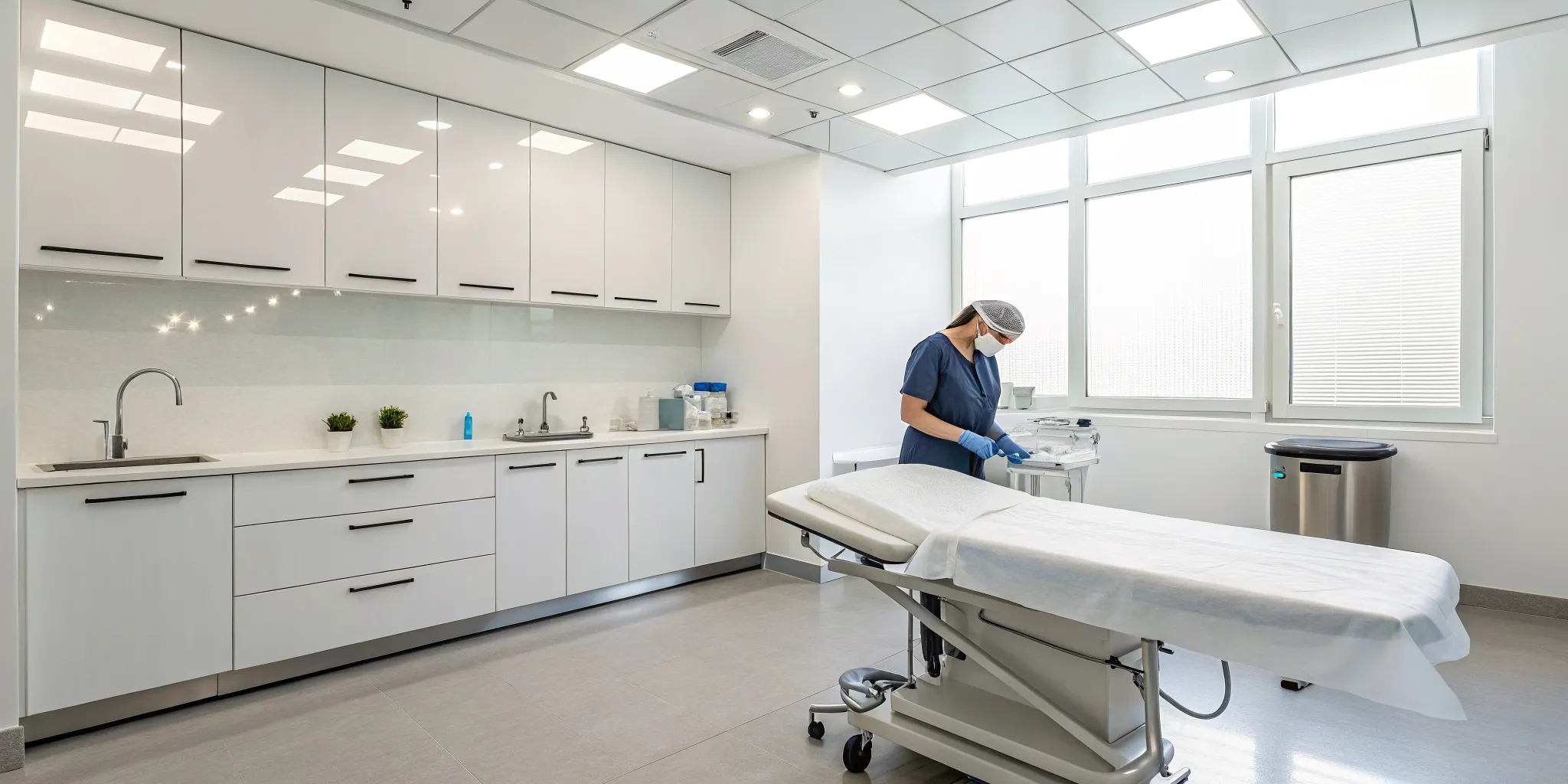
The moment a patient enters your waiting room, they are forming an impression of the care they will receive. A visibly clean and well-maintained facility builds immediate trust and confidence. But true clinic safety is more than just appearances; it’s about systematically eliminating the harmful pathogens you can’t see. Without a consistent process, it’s easy to miss critical high-touch areas or use products incorrectly, undermining patient and staff safety. We’ll walk you through a comprehensive plan that covers everything from product selection to proper technique, showing you how to disinfect a clinic in a way that makes safety a visible and tangible part of your patient experience.
Key Takeaways
- Master the Proper Disinfection Method: True disinfection is a three-part process. First, pre-clean surfaces with soap and water, then apply an EPA-approved disinfectant, and finally, allow it to sit for the full contact time listed on the label to effectively kill germs.
- Prioritize High-Touch Surfaces: Focus your efforts on the areas that get touched most often, like doorknobs, exam tables, and medical equipment. Creating a consistent schedule to disinfect these hotspots, especially between patient visits, is key to preventing the spread of infection.
- Develop a Formal Cleaning Plan: A documented plan removes guesswork and ensures consistency. Outline your specific procedures, the products to use, and the required PPE, then train your team thoroughly so everyone follows the same high standards for safety.
What Does Proper Clinic Disinfection Involve?
Keeping a medical clinic safe for patients and staff goes far beyond a simple wipe-down. Proper disinfection is a multi-step process that requires a clear understanding of the methods and a consistent plan. It all starts with knowing the fundamental difference between cleaning and disinfecting and recognizing why a specialized approach is non-negotiable for any healthcare environment.
Cleaning vs. Disinfecting: What’s the Difference?
You’ve probably heard the terms “cleaning” and “disinfecting” used interchangeably, but in a clinical setting, they are two distinct and equally important steps. Think of it as a one-two punch against germs. Cleaning is the first step. It involves using soap or detergent and water to physically remove dirt, grime, and most germs from surfaces. According to the CDC, this process lowers the number of germs, reducing the risk of spreading infection.
Disinfecting is what comes next. This step uses specific chemicals to kill the germs that remain on surfaces after cleaning. You can’t effectively disinfect a dirty surface, which is why you can’t skip the initial cleaning step. True disinfection ensures that harmful pathogens are eliminated, creating a genuinely safe environment for everyone who walks through your doors.
Why Your Clinic Needs a Specialized Cleaning Plan
A generic cleaning checklist just won’t cut it for a medical facility. Your clinic needs a specialized cleaning plan to systematically address infection control and protect both patients and staff. The primary goal is to reduce the risk of healthcare-associated infections by ensuring every surface and piece of equipment is handled correctly. Outpatient clinics are expected to follow the same rigorous disinfection and sterilization standards as hospitals.
A detailed plan removes guesswork and ensures consistency, no matter who is performing the cleaning tasks. It outlines which areas need attention, what products to use, and how often to clean. This commitment to cleanliness is a critical part of providing quality patient care and building trust. A professional team can help you develop and execute a plan that meets the unique needs of your facility, keeping it safe and compliant with commercial cleaning services.
Gathering Your Disinfection Supplies
Before you can even think about wiping down a single surface, you need to have the right tools for the job. Using the wrong products or equipment in a clinical setting isn’t just ineffective; it can be risky for both patients and staff. Assembling the proper supplies is the foundational step to a successful disinfection protocol. This means choosing chemicals that are proven to work, ensuring your team is protected with the right gear, and using tools designed for a healthcare environment. Getting this part right sets the stage for a truly clean and safe clinic.
Choosing EPA-Approved Disinfectants
When it comes to disinfecting your clinic, not just any cleaning product will do. You need a disinfectant that is specifically designed to eliminate the pathogens common in healthcare settings. The best way to ensure effectiveness is to use products registered with the Environmental Protection Agency (EPA). The EPA maintains a list of approved disinfectants that are proven to kill specific germs. Always check the product label to see which pathogens it targets and ensure it matches your clinic’s needs. This step is crucial for both patient safety and maintaining compliance with health regulations.
Selecting the Right Personal Protective Equipment (PPE)
Protecting your cleaning staff from harsh chemicals and infectious materials is a top priority. Personal Protective Equipment (PPE) is non-negotiable. Before anyone begins the disinfection process, they should be trained on how to properly use essential gear like gloves, gowns, masks, and eye protection. According to the CDC’s recommendations, it’s vital that workers understand the potential health risks involved. Providing the right PPE and training isn’t just about following rules; it’s about creating a safe working environment for the people who keep your facility running.
Essential Cleaning Tools and How to Use Them
Beyond chemicals and PPE, the tools you use play a big role in how well your clinic is disinfected. For best results, opt for microfiber cloths and mops, as their unique structure is much more effective at trapping and removing germs than traditional cotton. It’s also a great idea to implement a color-coded system for your supplies. For example, use red cloths for restrooms and blue for patient exam rooms. This simple practice helps prevent cross-contamination between different areas of your clinic. For a truly professional approach, consider working with a commercial cleaning service that already has these proven systems and professional-grade tools in place.
A Step-by-Step Guide to Surface Disinfection
Properly disinfecting your clinic isn’t just about wiping things down. It’s a methodical process that ensures you’re actually eliminating harmful pathogens, not just moving them around. Following a consistent, proven procedure is the key to protecting your patients and staff from the spread of infection. Think of it as a simple, three-part routine: pre-clean, disinfect, and wait. Each step is critical for creating a genuinely clean and safe environment. When you get this process right, you build trust and maintain the highest standards of care in your facility. Let’s walk through exactly how to do it.
Step 1: Pre-Clean Surfaces
Before you even think about disinfecting, you need to clean. This first step is non-negotiable. According to the CDC, you should always clean a surface with soap and water before you disinfect it because dirt and other organic material can prevent disinfectants from working effectively. Start by using a general-purpose cleaner and a microfiber cloth to wipe away any visible soil, dust, and grime from surfaces. This initial pass removes the physical barrier that can shield germs from the disinfectant you’re about to apply. Skipping this step means your disinfectant can’t reach and kill the pathogens underneath, making your efforts far less effective.
Step 2: Apply Your Disinfectant
Once your surfaces are clean, it’s time to apply the disinfectant. It’s important to use the right product for the job. The CDC recommends using a disinfectant approved by the EPA that is effective against the specific germs you are targeting. For a clinical setting, this usually means a hospital-grade disinfectant. Apply the solution according to the manufacturer’s instructions, ensuring you cover the entire surface evenly. Whether you’re using a spray or a wipe, the goal is to create a uniform layer of the disinfectant. Our teams are trained to handle these powerful commercial cleaning services and select the right products for every situation.
Step 3: Allow for Proper Contact Time
This is the step where the magic happens, and it’s also the one that’s most often rushed. After applying the disinfectant, you must let it sit on the surface for a specific amount of time, known as the “contact time” or “dwell time.” The CDC notes that the surface needs to stay visibly wet for the entire duration listed on the product label to effectively kill germs. Wiping it away too soon will not give the chemical enough time to work. Check the product label for the exact contact time, which can range from 30 seconds to 10 minutes. This patient waiting period is essential for true disinfection in any critical environment.
Key Areas to Disinfect in Your Clinic
To keep your clinic safe, you need a disinfection strategy that goes beyond a simple wipe-down. Certain areas act as hubs for germs, and giving them consistent, targeted attention is the key to reducing the spread of infection. Focusing your efforts on these hotspots ensures you’re not just cleaning for appearance, but for the health and safety of your patients and staff. A systematic approach helps maintain a consistently clean environment where everyone can feel secure. This is where professional commercial cleaning services can make a significant difference, by implementing a detailed plan that covers every critical corner of your facility. By understanding where to focus, you can make your disinfection protocols much more effective.
High-Touch Surfaces
Think about all the surfaces that are touched dozens, if not hundreds, of times a day. These are your high-touch surfaces, and they are top priority. This includes the obvious spots like doorknobs, light switches, and reception counters, but also extends to things like keyboards, phones, chair armrests, and payment terminals. Because they are contacted so frequently by many different people, these areas can easily transfer germs. Wiping them down regularly with an EPA-approved disinfectant is one of the most effective steps you can take to protect your clinic. Following the product’s instructions for contact time is essential to ensure you’re actually killing pathogens, not just moving them around.
Medical Equipment
Properly cleaning and disinfecting medical equipment is non-negotiable for patient safety. This applies to everything from stethoscopes and blood pressure cuffs to larger diagnostic machines. According to the CDC, equipment should always be thoroughly cleaned with water and a detergent or enzyme cleaner to remove all visible soil, like blood or tissue, before you begin the disinfection or sterilization process. Simply spraying a disinfectant on a dirty surface won’t be effective. This pre-cleaning step is critical because organic material can shield microorganisms from the disinfectant. For facilities with sensitive equipment, specialized laboratory cleaning protocols ensure every tool is handled correctly.
Common Areas and Waiting Rooms
Your waiting room is the first impression patients have of your clinic, and its cleanliness sets the tone for their entire visit. This high-traffic area requires constant attention. Surfaces like reception desks, chairs, tables, and even children’s toys need to be disinfected regularly throughout the day. Spills should be addressed immediately. Floors are another major concern, as they accumulate dirt and germs from foot traffic. A routine that includes a thorough hard floor cleaning service can help manage contaminants tracked in from outside. Maintaining a visibly clean and disinfected waiting area not only prevents illness but also builds patient trust and confidence in your practice.
How Often Should You Disinfect Your Clinic?
Keeping a medical facility safe isn’t about a single deep clean; it’s about creating a consistent disinfection rhythm. The right frequency depends on the specific area, how much foot traffic it gets, and what it’s used for. An exam room where patients with various illnesses are seen requires a different approach than a staff breakroom or an administrative office. Establishing a clear schedule for daily tasks, between-patient wipe-downs, and periodic deep cleans is the best way to protect your patients and staff from harmful pathogens.
A structured cleaning plan removes the guesswork and ensures that every surface is addressed at the right interval. This proactive approach not only maintains a visibly clean environment but also systematically reduces the risk of healthcare-associated infections (HAIs), which are a major concern in any medical setting. By defining these different cleaning frequencies and assigning clear responsibilities, you can build a comprehensive strategy that keeps your clinic consistently safe, compliant, and trustworthy in the eyes of your patients. It’s about building safety into your daily operations, not just reacting to a problem.
Your Daily Disinfection Checklist
At the end of every day, your team should run through a standard disinfection checklist. This routine focuses on cleaning and disinfecting all flat surfaces like counters, desks, and tables. Pay special attention to the “high-touch” items that people interact with constantly throughout the day. These include light switches, door handles, keyboards, computer mice, and phones. Using disinfectants approved by the EPA for healthcare settings is essential. Always follow the product’s instructions for contact time to ensure you’re effectively killing germs, not just wiping them away.
Cleaning Between Patient Visits
Disinfection can’t wait until the end of the day in patient care areas. After each patient leaves an exam room, it’s critical to clean and disinfect any surfaces they may have touched. This includes the exam table, chairs, blood pressure cuffs, and any other medical equipment used during the visit. This step is especially important if a patient was visibly ill. Taking a few minutes to disinfect between appointments is one of the most effective ways to prevent cross-contamination and show every patient that you prioritize their health and safety from the moment they walk in.
Scheduling Regular Deep Cleans
While daily cleaning maintains a baseline of safety, regular deep cleans are necessary to address areas that are often overlooked. A comprehensive plan should outline daily, weekly, and monthly tasks for every part of your clinic, from patient rooms and restrooms to waiting areas and administrative offices. This ensures that things like baseboards, light fixtures, and air vents are thoroughly cleaned. For many clinics, partnering with a professional team for these deep cleans is the most effective solution. A dedicated commercial cleaning service has the training and equipment to ensure no detail is missed, giving you peace of mind.
Keeping Your Staff Safe with the Right PPE
Using powerful disinfectants is essential for keeping your clinic safe for patients, but it also introduces risks for your cleaning staff. Personal Protective Equipment (PPE) is your team’s first line of defense against chemical exposure and contact with infectious materials. It’s more than just a box of gloves in the supply closet; it’s a complete system for protecting your people. Ensuring your staff is not only equipped with the right gear but also trained on how to use it correctly is a non-negotiable part of any clinic’s safety protocol.
Before your team even begins the disinfection process, they need to be fully aware of the health risks associated with the germs and chemicals they might encounter. This involves clear communication and thorough training. A well-protected team is a confident and effective one, which is why professional commercial cleaning services make comprehensive PPE training a cornerstone of their operations. From selecting the right mask to safely removing contaminated gowns, every step matters in preventing accidental exposure and keeping your staff healthy and safe on the job. When your team feels secure, they can focus on doing their best work, ensuring every surface is disinfected to the highest standard without cutting corners. This commitment to safety protects not only your staff but also the integrity of your clinic’s environment.
How to Select the Right PPE
Choosing the right PPE isn’t a one-size-fits-all situation. The specific gear your team needs depends entirely on the disinfectant being used and the task at hand. Always start by reading the product label and its Safety Data Sheet (SDS), which will outline the manufacturer’s minimum PPE recommendations. Generally, this includes disposable gloves to protect hands from chemicals and germs, and eye protection like goggles or a face shield to guard against splashes. For more intensive disinfection tasks, a fluid-resistant gown and a mask may also be necessary. It’s crucial to teach your workers how to choose and properly use each piece of equipment to ensure they are fully protected.
Understanding Chemical Safety
Proper PPE use goes hand-in-hand with understanding the chemicals you’re working with. Every member of your staff should be trained to read and comprehend product labels, which contain vital information about potential hazards, first-aid measures, and handling instructions. This training should cover the specific dangers of the cleaning chemicals used in your clinic, how to dilute them correctly if needed, and the importance of working in well-ventilated areas. By empowering your team with this knowledge, you create a safer environment and reduce the risk of accidents. Safe handling isn’t just about protection; it’s about awareness and respect for the products being used.
How to Properly Put On and Take Off PPE
How your staff puts on and removes their PPE is just as important as wearing it. A specific sequence must be followed to prevent self-contamination. Generally, PPE should be put on before entering the area to be cleaned, starting with the gown, followed by the mask, eye protection, and finally, gloves. When the job is done, the removal process is reversed with care. Gloves are typically removed first, as they are the most contaminated item. Each piece of disposable PPE should be discarded properly, and hands should be washed thoroughly immediately after removal. Consistent training on these procedures ensures safety becomes second nature.
How to Properly Dispose of Medical Waste
Disinfecting your clinic is only half the battle. Proper disposal of medical waste is a critical final step that protects your staff, patients, and the community from health risks. Mishandling items like used needles or contaminated gloves can lead to the spread of infectious diseases and result in serious regulatory penalties. Following a clear process for waste management is a fundamental part of maintaining a safe healthcare environment. Let’s walk through the essential steps to ensure your clinic’s waste is handled correctly from start to finish.
Separating Contaminated Waste
The first rule of medical waste management is to separate it at the source. Your team should be trained to distinguish between general trash and regulated medical waste, using clearly labeled, color-coded bins in all patient care areas. Sharps, such as needles and scalpels, must go directly into designated puncture-proof containers to prevent accidental sticks. Other contaminated items, like gloves or dressings soaked with bodily fluids, belong in biohazard bags. Consistent training ensures everyone on your staff knows how to handle different types of waste and uses the right personal protective equipment while doing so.
Disposing of Used Cleaning Supplies
What about the supplies used for disinfection, like wipes and paper towels? If they are saturated with blood or other potentially infectious materials, they must be treated as regulated medical waste and placed in the appropriate biohazard bins. For safe and compliant removal, your clinic should partner with a licensed medical waste disposal company for scheduled pickups. These professionals have the proper equipment and training to transport and treat hazardous materials. Make sure all your waste containers are properly sealed and labeled with universal biohazard symbols before they are collected for disposal.
Staying Compliant with Regulations
Medical waste disposal is governed by strict federal and state regulations, including those from OSHA. A key part of compliance is providing thorough training for your staff on all disposal procedures, from sorting waste to handling chemicals and using PPE. Since rules can differ between Maryland, D.C., and Virginia, it’s vital to understand your local requirements. Working with a professional cleaning service that specializes in healthcare facilities can help you stay current with regulations and ensure your disposal practices are always up to standard, taking the burden off your team.
Common Disinfection Mistakes to Avoid
Even with the best intentions and the right supplies, a few common missteps can make your disinfection efforts less effective. Getting your process right is crucial for protecting your patients and staff from healthcare-associated infections (HAIs). It’s not just about cleaning harder; it’s about cleaning smarter. Understanding these frequent errors helps ensure your clinic remains a safe and healthy environment. Let’s walk through three of the most common mistakes and, more importantly, how to correct them. By refining your technique, you can be confident that your disinfection protocols are actually doing their job to eliminate harmful pathogens.
Mistake #1: Not Allowing Enough Contact Time
One of the most frequent errors in disinfection is wiping away the product too quickly. Disinfectants don’t work instantly. They require a specific amount of time, known as “contact time” or “dwell time,” to remain wet on a surface to effectively kill germs. If you spray and immediately wipe, you’re likely just moving pathogens around. The CDC advises you to “leave the disinfectant on the surface for the amount of time listed on the label.” Always check the product instructions for the required contact time, which can range from 30 seconds to 10 minutes, and make sure the surface stays visibly wet for that entire duration.
Mistake #2: Mixing Cleaning Chemicals
It might seem like combining two different cleaners would create a super-powered solution, but it’s an incredibly dangerous mistake. Mixing certain chemicals, like bleach and ammonia, can produce toxic gases that are harmful to your respiratory system. The CDC gives a clear warning on this: “NEVER mix different cleaning products or chemicals.” To keep your staff and patients safe, always use one product at a time, exactly as the manufacturer intended. If you need to use a different chemical on the same surface, be sure to rinse the surface with water and let it dry completely before applying the next product. This is a non-negotiable safety rule for any professional commercial cleaning service.
Mistake #3: Skipping the Pre-Cleaning Step
Disinfectant is not a magic wand that works through layers of grime. For a disinfectant to do its job, it must make direct contact with the germs on a surface. Dirt, dust, and other organic matter create a physical barrier that prevents the disinfectant from reaching and killing pathogens. That’s why the CDC states you should “always clean a surface with soap and water before you sanitize or disinfect it.” Make pre-cleaning with a detergent the official first step in your process. This simple action removes the physical soil, allowing your disinfectant to work effectively on the clean surface underneath.
How to Create Your Clinic’s Disinfection Plan
Having the right supplies is just the start. To truly protect your patients and staff, you need a clear, repeatable system. A formal disinfection plan turns your goals into consistent actions, ensuring that every team member follows the same high standards every day. This isn’t just about ticking boxes for compliance; it’s about creating a culture of safety that everyone understands and contributes to. A well-structured plan eliminates guesswork and provides a reliable framework for keeping your facility clean and safe. It empowers your team with the knowledge and tools they need to handle their responsibilities confidently and effectively. Let’s walk through the three essential pillars of a successful clinic disinfection plan: documenting your procedures, training your team, and keeping detailed records.
Document Your Standard Operating Procedures (SOPs)
Think of Standard Operating Procedures (SOPs) as your clinic’s playbook for cleaning and disinfection. These are detailed, written instructions that outline exactly how to perform routine tasks safely and effectively. Your SOPs should specify which EPA-approved disinfectants to use for different surfaces, the correct dilution ratios, and the required contact times. They also need to cover safety protocols. According to the CDC, training should include what protective gear to use and how to handle it safely. Documenting these steps ensures everyone from a new hire to a seasoned veteran is on the same page. When you have clear SOPs, you create a consistent standard of care that protects everyone who walks through your doors. These documents are the foundation of a reliable commercial cleaning program.
Train Your Team Effectively
A plan is only as good as the people carrying it out, which is why effective training is non-negotiable. Your training program should be hands-on, ongoing, and cover both the “how” and the “why” of your disinfection protocols. Start with the fundamentals, like proper handwashing. Staff should wash their hands with soap and water for at least 20 seconds before and after patient contact and after touching any surfaces. Beyond the basics, your team needs to understand how to use disinfectants correctly and handle PPE. Regular refresher sessions are also important, especially when you introduce new products or procedures. When your team understands their critical role in infection prevention, they become active partners in maintaining a safe environment.
Keep Clear and Consistent Records
Documentation is your proof of diligence. Keeping clear and consistent records helps you maintain accountability, track compliance, and identify areas for improvement. Your records should include daily cleaning logs for different areas of the clinic, maintenance schedules for sterilization equipment, and documentation of staff training sessions. The CDC recommends regularly checking high-risk areas to ensure protocols are followed and keeping good records of maintenance and monitoring. These logs are more than just paperwork; they are a valuable tool for quality control. If an issue arises, your records can help you trace the source and prevent it from happening again. This level of meticulous documentation is standard in critical environment cleaning and shows your commitment to patient safety.
Related Articles
- Specialized Healthcare Facility Cleaning | Protecting Patients & Staff
- Enhance Patient Care with Commercial Medical Cleaning Services
Frequently Asked Questions
Why is it so important to clean a surface before disinfecting it? Think of it this way: you can’t sanitize a dirty dish. Dirt, dust, and grime create a physical barrier that shields germs from the disinfectant. If you spray a disinfectant directly onto a soiled surface, the chemical can’t reach the pathogens underneath to kill them. Pre-cleaning with soap or detergent and water removes that barrier, clearing the way for your disinfectant to do its job effectively. Skipping this step makes the entire process far less reliable.
How do I know if I’m using the right disinfectant for my clinic? The best way to be sure is to use products that are registered with the Environmental Protection Agency (EPA). The EPA maintains lists of approved disinfectants that are proven effective against specific pathogens, including those commonly found in healthcare settings. Always check the product label to confirm it is a hospital-grade disinfectant and to see which germs it is designed to kill. This ensures you are using a product with proven results, not just making a guess.
What’s the most common mistake people make when disinfecting? The most frequent and critical error is not allowing for proper contact time. Many people spray a surface and wipe it dry almost immediately, but disinfectants need to remain wet on a surface for a specific duration to kill pathogens. This “dwell time” can be anywhere from 30 seconds to 10 minutes. Wiping the solution away too soon means you haven’t given it the time it needs to work, which can render your efforts ineffective.
How often should we really be disinfecting high-touch surfaces like doorknobs and light switches? For high-touch surfaces in a clinical setting, frequency is key. These areas should be disinfected multiple times throughout the day, not just during a single end-of-day cleaning. The exact schedule can depend on your patient volume, but a good rule of thumb is to address these hotspots during any lull in traffic and as part of the room turnover process between patients. Consistent attention to these surfaces is one of the simplest ways to reduce the spread of germs.
My staff is already so busy. How can we implement a better disinfection plan without overwhelming them? The key is to create a clear and simple system. Start by developing documented procedures (SOPs) that outline exactly what needs to be cleaned, how often, and with what products. This removes guesswork and makes the process more efficient. You can also assign specific tasks to different roles and build cleaning duties directly into daily workflows, like disinfecting a room between patients. For more intensive deep cleaning, partnering with a professional service can take the burden off your team and ensure nothing gets missed.
