
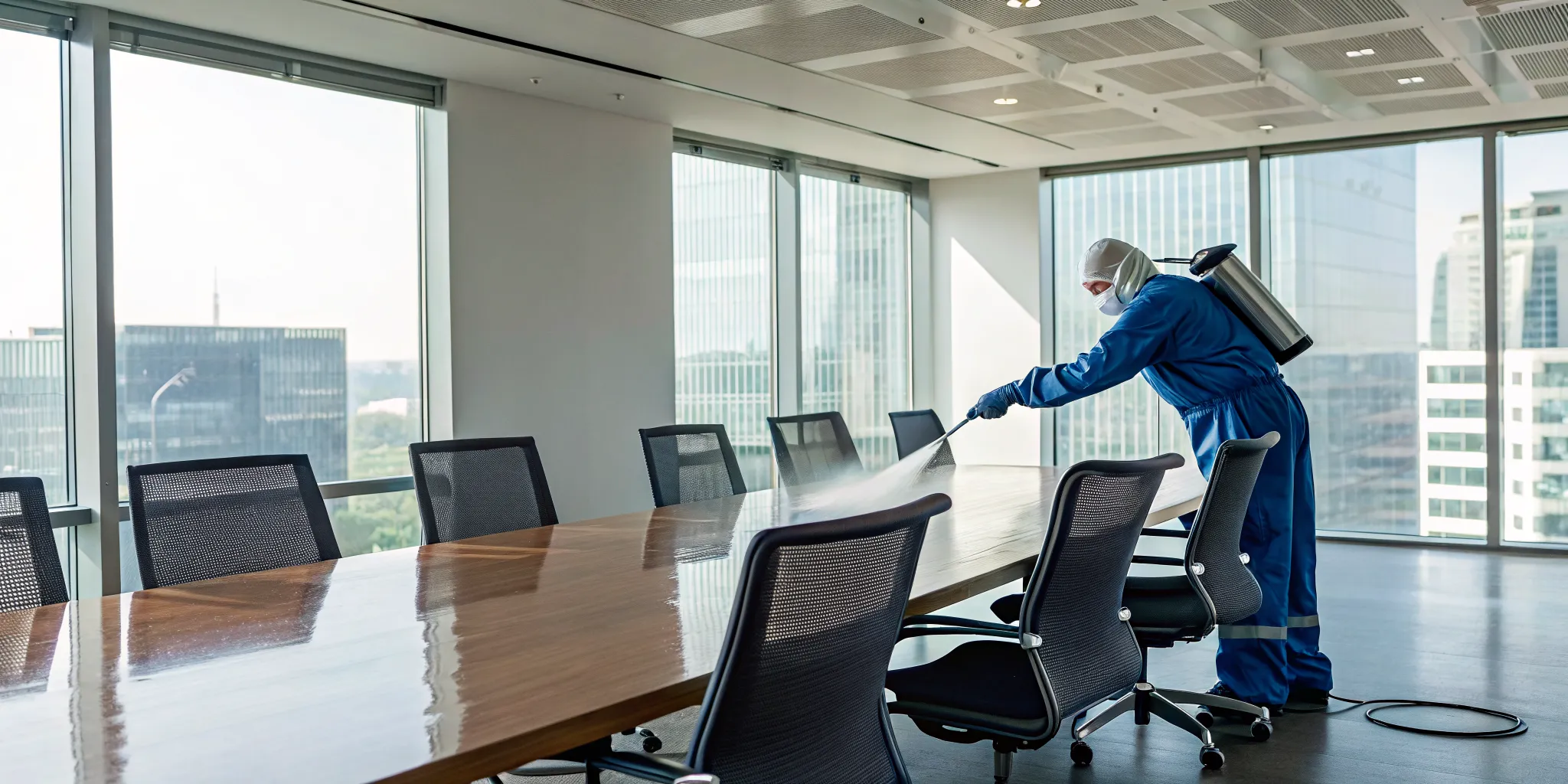
For facilities like data centers, laboratories, or server rooms, cleanliness is about more than just appearances; it’s about operational integrity. A single speck of dust or an unseen contaminant can cause equipment failure and costly downtime. Traditional cleaning methods can be risky, potentially introducing too much moisture or failing to reach critical components. Electrostatic disinfection offers a precise, effective solution. It applies a fine, even layer of disinfectant that wraps around racks, cables, and equipment without oversaturation. Understanding how does electrostatic disinfection work is essential for any manager of a critical environment, as it provides a safe way to eliminate contaminants and protect your most valuable assets.
Key Takeaways
- Achieve Complete Surface Coverage: Electrostatic disinfection uses charged particles that are magnetically drawn to surfaces, wrapping around them to provide a full 360-degree coat. This method ensures that even hidden spots and complex shapes are thoroughly sanitized.
- Increase Effectiveness While Saving Time: This technology disinfects large areas much faster than traditional manual methods, reducing downtime for your business. The comprehensive coverage also leads to a more reliable kill rate for germs, creating a healthier environment.
- Rely on Professional Application for Safety: The process is most effective when it follows a thorough cleaning and is performed by trained professionals. They use the correct EPA-approved solutions and safety protocols to protect your staff, customers, and sensitive equipment.
What Is Electrostatic Disinfection?
If you’ve ever wondered how to get a truly deep clean that covers every single surface, electrostatic disinfection is the answer. Think of it as a smarter way to disinfect. Instead of just spraying a liquid and hoping it lands in the right places, this method uses a special sprayer to give an EPA-approved disinfectant an electrical charge.
So, what does that actually mean for your facility? When the charged disinfectant is sprayed, the droplets act like tiny magnets. They are actively attracted to surfaces, wrapping around them to provide a complete, 360-degree coat of disinfectant. This process ensures that even hard-to-reach areas, like the underside of desks, the back of computer monitors, and the crevices in equipment, are thoroughly sanitized. It’s a significant step up from traditional trigger sprayers or foggers, which can lead to uneven coverage and missed spots.
This technology is a cornerstone of modern commercial cleaning services because it provides a more reliable and comprehensive approach to killing germs. By ensuring the disinfectant touches every part of a surface, you can be more confident that you’re creating a healthier environment for your employees, customers, and visitors. It’s a targeted, efficient method for achieving a higher standard of clean.
How Electrostatic Charging Works
The science behind electrostatic disinfection is straightforward but effective. As the disinfectant liquid leaves the sprayer’s nozzle, it’s given a positive electrical charge. Since most objects and surfaces in a room have a neutral or negative charge, a natural attraction occurs. These positively charged droplets are pulled toward the surfaces, sticking to them like static cling. This force is strong enough to make the droplets wrap around objects, ensuring the front, back, and sides are all coated evenly. Once a surface is covered, the charged layer actually repels more droplets, preventing overuse and ensuring the solution is applied efficiently without pooling or dripping.
Why It’s Used in Commercial Cleaning
The main reason electrostatic disinfection is so popular in commercial settings is its unmatched effectiveness in infection control. It provides a complete and uniform layer of disinfectant that’s nearly impossible to achieve with manual wiping. This method is also incredibly efficient, allowing professional teams to disinfect large areas up to 50% faster than traditional methods. For a busy office, school, or medical facility, this means less disruption and downtime. It’s especially valuable for spaces that require the highest standards of hygiene. A proper critical environment cleaning protocol for labs or data centers often includes this technology to ensure sensitive areas are thoroughly sanitized without risking damage from oversaturation.
How Does Electrostatic Disinfection Work?
It might sound like something out of a science-fiction movie, but electrostatic disinfection is a real and highly effective method for sanitizing spaces. The process uses a simple principle of physics, positive and negative charges, to achieve a level of clean that traditional methods just can’t match. It’s all about making sure the disinfectant gets exactly where it needs to go, covering every nook and cranny. Let’s break down how this impressive technology works, step by step.
The Sprayer Technology Explained
At the heart of the process is a specialized electrostatic sprayer. This isn’t your average spray bottle. The sprayer gives a powerful electrical charge to the disinfectant solution as it passes through the nozzle. Think of it like creating tiny magnets. When sprayed, the charged droplets are actively drawn to surfaces instead of floating aimlessly. This attraction ensures the disinfectant spreads out evenly, reaching areas that are often missed. It’s especially useful for facilities with complex equipment, making it a core part of our critical environment cleaning.
Charging the Disinfectant
So, how does the liquid get its charge? As an EPA-approved disinfectant flows through the sprayer, it passes an electrode inside the nozzle which gives the liquid a net positive charge. Each tiny droplet that exits is now positively charged and ready to find a surface. Because most surfaces in a room are either negatively charged or neutral, they act like magnets for these droplets. This natural attraction is what makes the process so efficient, pulling the disinfectant toward every object for complete coverage.
How Droplets Stick to Surfaces
Once airborne, the positively charged droplets repel each other and spread out, seeking a surface to bond with. This is where the magic happens. Instead of just settling on top of objects, the droplets wrap around them, covering the front, back, and sides with a uniform layer of disinfectant. This 360-degree coverage is a major advantage over traditional wiping or fogging, which can easily miss spots. This comprehensive approach is a key part of our commercial cleaning services, ensuring high-touch surfaces are fully disinfected.
Key Benefits of Electrostatic Disinfection
So, why are so many facilities managers and business owners choosing electrostatic disinfection? The simple answer is that it delivers superior results. This technology offers a more strategic and effective way to protect your environment, providing tangible benefits that go far beyond what traditional cleaning methods can offer. From saving time to ensuring a healthier space for your team and clients, the advantages are clear. Unlike older methods that rely on manual spraying and wiping, which can be inconsistent and miss critical areas, electrostatic technology uses science to achieve a comprehensive clean. It’s about working smarter, not just harder, to create a genuinely safe space. This approach is particularly valuable for businesses where health and operational uptime are non-negotiable, like medical facilities, schools, and data centers. When you invest in this service, you’re not just cleaning; you’re creating a certified layer of protection that gives everyone peace of mind. It addresses the common pitfalls of standard disinfection, making it a smart investment for any organization that prioritizes cleanliness and safety. The process itself is fascinating, but the real value lies in its outcomes: more complete coverage, greater efficiency, and a higher kill rate for germs. These benefits work together to reduce sick days, improve customer confidence, and protect your valuable assets. Let’s break down exactly what makes this method a game-changer for commercial facilities.
Complete, Even Coverage
One of the biggest challenges with traditional disinfection is ensuring every single surface gets treated. It’s easy to miss the underside of a desk, the back of a chair, or the small crevices in your equipment. Electrostatic disinfection solves this problem with its signature “wraparound” effect. The electrically charged disinfectant particles are drawn to surfaces, acting like tiny magnets to coat them completely and evenly. This method ensures that even hidden and hard-to-reach spots receive full coverage, providing a level of thoroughness that manual wiping simply can’t match. This is especially critical in complex environments like a data center or a busy office.
Saves Time and Labor
In any business, efficiency is key. You need your space to be clean and safe without causing major disruptions to your daily operations. Electrostatic disinfection is significantly faster than conventional methods. In fact, it can disinfect large areas up to 50% more quickly than traditional cleaning techniques. For your business, this means less downtime and lower labor costs. A professional team can treat your facility efficiently, allowing your employees and customers to return to a safe environment sooner. This makes it an ideal solution for high-traffic facilities that need a quick turnaround for their commercial cleaning services.
More Effective Against Germs
Ultimately, the goal of disinfection is to eliminate harmful pathogens. Because electrostatic sprayers provide total coverage, they are incredibly effective at this job. The technology allows the disinfectant to reach and kill germs on every exposed surface, reducing the risk of cross-contamination. Studies have shown this method is highly effective against a wide range of pathogens, including tough-to-kill viruses. While traditional spraying or wiping can leave gaps, the comprehensive application of electrostatic technology ensures a more reliable and healthier result for your facility, whether it’s a medical office, school, or specialized laboratory.
Electrostatic vs. Traditional Disinfection
When you think about disinfection, you probably picture someone spraying and wiping down surfaces. While that’s one way to do it, electrostatic technology offers a significant upgrade. It’s not just about using a different tool; it’s about achieving a completely different level of clean. Understanding the differences can help you decide which approach is right for keeping your facility safe and healthy. Let’s compare electrostatic disinfection to traditional methods across a few key areas.
Coverage and Efficiency
Traditional disinfection often relies on manual spraying and wiping. While this can work, it’s easy to miss spots, especially on oddly shaped objects or in hard-to-reach corners. It’s also time-consuming. Electrostatic disinfection solves this problem with smart technology. The sprayer applies a positive electric charge to the disinfectant droplets. Since most surfaces have a neutral or negative charge, the droplets are magnetically drawn to them, wrapping around objects for 360-degree coverage. This process is much faster than manual wiping and ensures that even the backsides and crevices of desks, chairs, and equipment get fully treated. This comprehensive approach is a core part of our commercial cleaning services.
Effectiveness on Germs
Better coverage directly translates to better results against germs. With traditional methods, any area that is missed by a wipe or spray remains a potential hotspot for bacteria and viruses. Electrostatic disinfection eliminates this guesswork. By ensuring the disinfectant coats the entire surface, it provides a much more reliable and effective kill rate for pathogens. This is especially important in high-traffic environments like medical offices, schools, and fitness centers where germs can spread quickly. A more thorough application means a healthier space for your employees, customers, and visitors, significantly reducing the risk of illness spreading through your facility.
Cost Comparison
At first glance, traditional cleaning might seem cheaper, but it’s important to look at the bigger picture. Manual disinfection is labor-intensive, which means higher costs for time and staffing. Electrostatic disinfection is significantly faster, allowing a cleaning team to cover more ground in less time and reducing labor expenses. It also uses chemicals more efficiently, minimizing waste. More importantly, its superior effectiveness helps prevent outbreaks that can lead to costly downtime and lost productivity. Investing in a higher standard of clean with a professional critical environment cleaning service is an investment in your business’s continuity and overall health.
What Disinfectants Are Used in Electrostatic Sprayers?
The magic of electrostatic disinfection isn’t just in the sprayer; it’s also in the solution it uses. You can’t pour just any cleaning agent into these machines and expect great results. The disinfectants must be specifically formulated to be safely aerosolized and effective when applied as a fine, charged mist. Using the wrong product can be ineffective at best and damaging to your surfaces or equipment at worst. That’s why choosing the right chemical is a non-negotiable part of the process for any professional cleaning service. It’s about more than just killing germs; it’s about protecting your assets and ensuring the safety of everyone in the space.
Professional services use specific, high-quality disinfectants designed for this application. These solutions are chosen for their ability to kill a broad spectrum of pathogens, their compatibility with the technology, and their safety profile for your specific environment. Whether it’s a busy office, a medical facility, or a sensitive data center, the disinfectant needs to be up to the task without causing harm. The right solution ensures that electronics aren’t damaged, sensitive materials aren’t corroded, and no harmful residues are left behind. Let’s look at the most common types of disinfectants that get the job done right.
EPA-Approved Solutions
First and foremost, any disinfectant used in an electrostatic sprayer must be approved by the Environmental Protection Agency (EPA) for that specific use. This is a critical safety and compliance step. If a product’s label doesn’t explicitly mention it’s cleared for use in electrostatic or atomizing sprayers, the EPA has not reviewed it for killing germs with this method. A professional cleaning team will always verify that their solutions are on the EPA’s list of approved disinfectants and are being used exactly as directed. This ensures you’re getting a truly disinfected space, not just a damp one, and that the application is both safe and effective.
Hypochlorous Acid
Don’t let the word “acid” scare you. Hypochlorous acid (HOCl) is a gentle yet incredibly potent disinfectant. It’s actually the same substance our own white blood cells produce to fight off infections, which makes it a remarkably safe option. When used in an electrostatic sprayer, HOCl works by attacking and breaking down the cell walls of microbes, effectively neutralizing them on contact. It’s known for its fast-acting power against a wide range of bacteria and viruses. Because it’s non-toxic and breaks down into simple salt and water, it’s an excellent choice for sensitive environments like schools, daycares, and healthcare facilities where harsh chemical residues are a concern.
Quaternary Ammonium Compounds (Quats)
Quaternary ammonium compounds, or “quats,” are one of the most common workhorses in the world of disinfection. These compounds are fantastic for electrostatic technology because they are cationic, meaning they naturally have a positive charge. This inherent charge helps the disinfectant droplets cling even more effectively to negatively charged surfaces, ensuring that signature 360-degree wrap. Quats are effective against a broad spectrum of germs and often leave behind a residual protective layer that continues to inhibit microbial growth for a period after application. This makes them a durable solution for high-touch surfaces in all types of commercial cleaning environments, from fitness centers to office buildings.
Who Needs Electrostatic Disinfection?
Electrostatic disinfection is a versatile solution that benefits any facility where health, safety, and cleanliness are top priorities. If your space has a lot of foot traffic, numerous high-touch surfaces, or complex equipment that’s hard to clean, this method is worth considering. It’s particularly effective in environments where minimizing the spread of germs is not just a goal but a necessity. From busy offices and schools to sensitive medical facilities, the comprehensive coverage of electrostatic spraying ensures that pathogens are neutralized, even in the most difficult-to-reach corners that manual wiping often misses.
This technology is also a game-changer for specialized facilities. Think about places with sensitive electronics or labs where contamination can ruin research or cause equipment failure. In these settings, a precise and thorough application of disinfectant is crucial. The “wrapping” effect of the charged droplets provides a complete clean without oversaturating surfaces, making it a safe and efficient choice. Essentially, any business that wants to provide a healthier environment for its employees, customers, or clients can find value in electrostatic disinfection. It moves beyond standard cleaning to offer a higher level of protection against illness and operational disruption.
Healthcare and Medical Offices
In healthcare settings, from doctors’ offices to large medical facilities, maintaining a sterile environment is non-negotiable. These spaces face a constant battle against bacteria and viruses. Electrostatic disinfection is an incredibly powerful tool in this fight because it can quickly and thoroughly disinfect large, busy areas. The technology ensures that disinfectants reach all sides of equipment, furniture, and high-touch surfaces like doorknobs and bed rails, places that manual cleaning might miss. This comprehensive approach helps reduce the risk of healthcare-associated infections (HAIs) and provides peace of mind for both patients and staff, ensuring your facility meets the highest standards of cleanliness.
Schools and Commercial Buildings
Any business with a steady flow of people can benefit from electrostatic disinfection. Think about schools, offices, gyms, and retail stores. These are all places with countless shared surfaces, large open areas, and small, hidden spots where germs can accumulate. Traditional cleaning methods can be time-consuming and may not provide even coverage. Electrostatic sprayers solve this problem by applying a uniform layer of disinfectant to everything from desks and chairs to gym equipment and cafeteria tables. This makes it an efficient way to support your regular commercial cleaning services and create a healthier environment for everyone who walks through your doors.
Data Centers and Critical Environments
Data centers, server rooms, and laboratories are unique environments where dust and contaminants pose a direct threat to expensive, sensitive equipment. In these settings, cleanliness is directly tied to operational integrity. Electrostatic disinfection is an effective method for applying cleaners and sanitizers to every surface without the risk of overwetting and damaging electronics. Because the charged droplets wrap around objects, it ensures that racks, cables, and equipment are thoroughly treated. Following specialized critical environment cleaning protocols that include this technology helps prevent static buildup and contamination, protecting your most valuable assets from preventable downtime.
Safety Precautions for Electrostatic Disinfection
Electrostatic disinfection is a powerful tool, but it comes with important safety protocols. The goal is to create a healthier space without introducing new risks. A professional cleaning team takes these precautions seriously to protect your employees, customers, and their own technicians, ensuring the process is both effective and worry-free. Here’s what key safety measures should always be in place.
Proper Personal Protective Equipment (PPE)
First, anyone operating an electrostatic sprayer must wear the right Personal Protective Equipment (PPE). This is a non-negotiable safety step. Technicians should be equipped with gloves, eye protection, and respiratory masks to prevent direct contact with the disinfectant mist. Even with EPA-approved solutions, proper PPE ensures the team is fully protected. This allows them to focus on providing the most thorough commercial cleaning service possible without compromising their own health.
Ventilation and Team Training
Proper training is the foundation of a safe and effective disinfection service. Technicians need to be experts on the sprayer and the specific disinfectants they’re applying, including dwell times and safety protocols. Good ventilation is also key. During and after the service, ensuring adequate airflow helps the droplets settle and dry properly. This is especially vital in sensitive areas, where our critical environment cleaning teams are trained to manage air quality and protect delicate equipment while ensuring maximum effectiveness.
Preparing the Space and Safe Re-entry
A successful disinfection starts before the sprayer is turned on. The space needs to be prepared, which may involve covering sensitive electronics or clearing surfaces. Once the disinfection is complete, it’s important to allow time for the product to work and for the mist to settle. A professional team will always communicate a clear and safe re-entry time for your staff. This waiting period is essential for ensuring the disinfectant has done its job and the area is ready for use, a protocol we strictly follow for every facility, including highly sensitive data centers.
Common Myths About Electrostatic Disinfection
As with any powerful technology, electrostatic disinfection comes with its share of questions and misconceptions. It’s a highly effective tool for creating healthier spaces, but it’s important to separate fact from fiction. Let’s clear up a few common myths so you can feel confident about how this service works and whether it’s the right fit for your facility. Understanding the truth behind the technology helps you make the best decisions for keeping your team and visitors safe.
Myth: It’s the Same as Cleaning
One of the biggest points of confusion is thinking that electrostatic disinfection is just a fancy way of cleaning. In reality, cleaning and disinfecting are two separate but equally important jobs. Cleaning is the process of physically removing dirt, dust, and grime from surfaces. Disinfection, on the other hand, is what kills the microscopic germs and pathogens left behind. Think of it this way: you can’t effectively disinfect a dirty surface. The layer of grime can shield germs from the disinfectant. That’s why our process always starts with thorough commercial cleaning services to prepare every surface. Only then do we apply the electrostatically charged disinfectant to ensure it can do its job and eliminate harmful pathogens.
Myth: It’s Unsafe for the Air
It’s natural to worry about chemicals being sprayed into the air you breathe. However, electrostatic disinfection is designed with safety in mind. Unlike traditional foggers or misters that create a cloud of fine particles that can linger, electrostatic sprayers give disinfectant droplets a positive charge. This charge causes the droplets to be actively attracted to surfaces, which are naturally neutral or negatively charged. Because the droplets are drawn directly to objects, they stick to them almost immediately instead of floating in the air. This “wraparound” effect is what makes the coverage so complete. When performed by a trained team using EPA-approved solutions and proper safety protocols, it’s a remarkably safe and effective process for sensitive areas like data centers and medical offices.
Myth: It’s a Perfect, One-Size-Fits-All Solution
While electrostatic disinfection is an incredible tool, it isn’t a magic wand that’s right for every situation or budget. The most effective and cost-efficient approach depends entirely on your facility’s unique needs. Factors like the size of your space, the types of surfaces, foot traffic, and the specific health risks involved all play a role in determining the best strategy. A high-touch environment like a daycare or medical clinic has very different needs than a standard office building. That’s why a customized plan is so important. The best solution often involves a strategic combination of traditional disinfection and targeted electrostatic application for high-risk areas. A true cleaning partner will work with you to assess your needs and build a plan that keeps your critical environment safe without unnecessary costs.
How Often Should You Use Electrostatic Disinfection?
Deciding on the right frequency for electrostatic disinfection isn’t a one-size-fits-all answer. The best schedule for your facility depends entirely on your specific environment, how the space is used, and the level of foot traffic you see each day. Think of it less like a rigid rule and more like a flexible plan that adapts to your needs.
For some businesses, a weekly or bi-weekly service is perfect for maintaining a healthy environment. For others, especially those with vulnerable occupants or high-stakes equipment, a daily application might be necessary. The key is to create a schedule that effectively manages risk without being excessive. To find the right balance, we can look at general recommendations for your facility type and other factors that can influence your schedule.
Recommended Frequency by Facility Type
Your type of facility is the best starting point for building a disinfection schedule. High-traffic environments with more high-touch surfaces will naturally require more frequent attention.
For example, schools and daycares benefit from daily disinfection of desks, doorknobs, and shared learning materials to help reduce the spread of common illnesses. Likewise, medical facilities require daily disinfection of patient rooms, waiting areas, and equipment to protect vulnerable individuals. In a typical office, you can focus on disinfecting shared spaces and high-touch points a few times a week, increasing the frequency if you have a lot of visitors or a shared desk policy.
Factors That Affect Your Schedule
Beyond your facility type, several other factors can change how often you should schedule electrostatic disinfection. It’s smart to plan for more frequent service during peak periods, like flu season or after a company-wide event with lots of guests. If an employee or visitor reports an illness, an immediate post-incident disinfection is a critical step to protect everyone else.
The specific nature of your work also plays a huge role. A busy fitness center has different needs than a controlled environment like a server room. For sensitive spaces, the goal of data center cleaning is to prevent contaminant buildup that could harm equipment, which calls for a specialized and consistent schedule.
Getting the Best Results from Electrostatic Disinfection
Electrostatic disinfection is an incredibly effective method, but its success isn’t just about the technology. To get the clean, safe, and healthy environment you want, you need to consider the surfaces being treated and the specific needs of your space. It’s about using the right tool in the right way. When done correctly, it provides a level of disinfection that traditional methods can’t match, creating a safer space for your team and customers. This is especially true when you partner with professionals who understand how to integrate this technology into a complete cleaning strategy for your facility.
Surface Compatibility
The magic of electrostatic disinfection lies in how the charged disinfectant particles are attracted to surfaces, wrapping around them for 360-degree coverage. However, this process works best when the right disinfectant is used. Not all cleaning solutions are created for electrostatic sprayers, and using the wrong one can be ineffective or even damage your property. It’s essential to use EPA-approved disinfectants that are proven to be safe for the specific surfaces in your facility, from desks and chairs to sensitive electronics. A professional team will know exactly which solutions to use to ensure maximum effectiveness without compromising the integrity of your assets, making it a core part of their commercial cleaning services.
Environment and Equipment Care
Electrostatic disinfection is a powerful tool for infection control, but it’s most effective as part of a broader cleaning plan. It provides a deep sanitization that reaches areas manual cleaning might miss, making it ideal for facilities that require a high standard of hygiene. In specialized spaces like data centers, labs, or server rooms, this method is invaluable. However, these areas also contain sensitive and expensive equipment. Proper application requires a deep understanding of how to protect these critical assets while thoroughly disinfecting the environment. True critical environment cleaning involves carefully preparing the space and using precise techniques to ensure that technology is shielded and the room is left both sterile and operationally sound.
Related Articles
- Electrostatic Disinfection Services in MD, VA, and DC
- Disinfecting High-Touch Surfaces of Electronic Equipment
Frequently Asked Questions
Is electrostatic disinfection safe for our computers and other electronics? This is a very common and important question. Yes, when performed correctly by trained professionals, electrostatic disinfection is safe for electronics. The technology is designed to apply a very fine, even mist that coats surfaces without oversaturating them. The droplets are so small and the application is so precise that it avoids the pooling and dripping that could damage sensitive equipment. We also take extra precautions, like covering certain ports or screens if needed, to ensure all your assets are protected.
Do we still need our regular cleaning service if we get electrostatic disinfection? Absolutely. It’s best to think of cleaning and disinfecting as two different steps in a single process. Cleaning removes physical dirt, dust, and grime from surfaces. Disinfecting kills the germs and pathogens that are left behind. You can’t effectively disinfect a dirty surface, so a thorough cleaning must always come first. Electrostatic disinfection is a powerful final step that complements your regular cleaning schedule, it doesn’t replace it.
How long do we have to stay out of the area after it’s been treated? The re-entry time is usually quite short. It depends on the specific EPA-approved disinfectant used and the ventilation in your facility. In most cases, you can re-enter the space once the disinfectant has had time to do its job and the mist has completely dried, which can be as little as 10 to 30 minutes. A professional team will always give you a clear and specific timeframe for when it is safe for your staff and customers to return.
Is this method really better than just thoroughly wiping down all our surfaces? While manual wiping is a necessary part of cleaning, electrostatic disinfection provides a more complete and reliable level of sanitization. It’s very difficult to manually wipe every square inch of a surface, especially the backs, undersides, and small crevices of furniture and equipment. The charged droplets in electrostatic spraying are actively drawn to surfaces, wrapping around them to provide 360-degree coverage. This ensures a more uniform and comprehensive application, killing germs in places that are almost always missed by hand.
What kind of chemicals are you spraying in our facility? We only use disinfectants that are approved by the Environmental Protection Agency (EPA) and are specifically labeled for use in electrostatic sprayers. The most common solutions we use are either quaternary ammonium compounds (quats) or hypochlorous acid (HOCl). Both are powerful against a wide range of germs but are chosen for their safety and compatibility with different environments. We select the right product based on your facility’s specific needs, whether it’s a daycare that requires a gentle solution or a high-traffic office that needs a durable disinfectant.
