
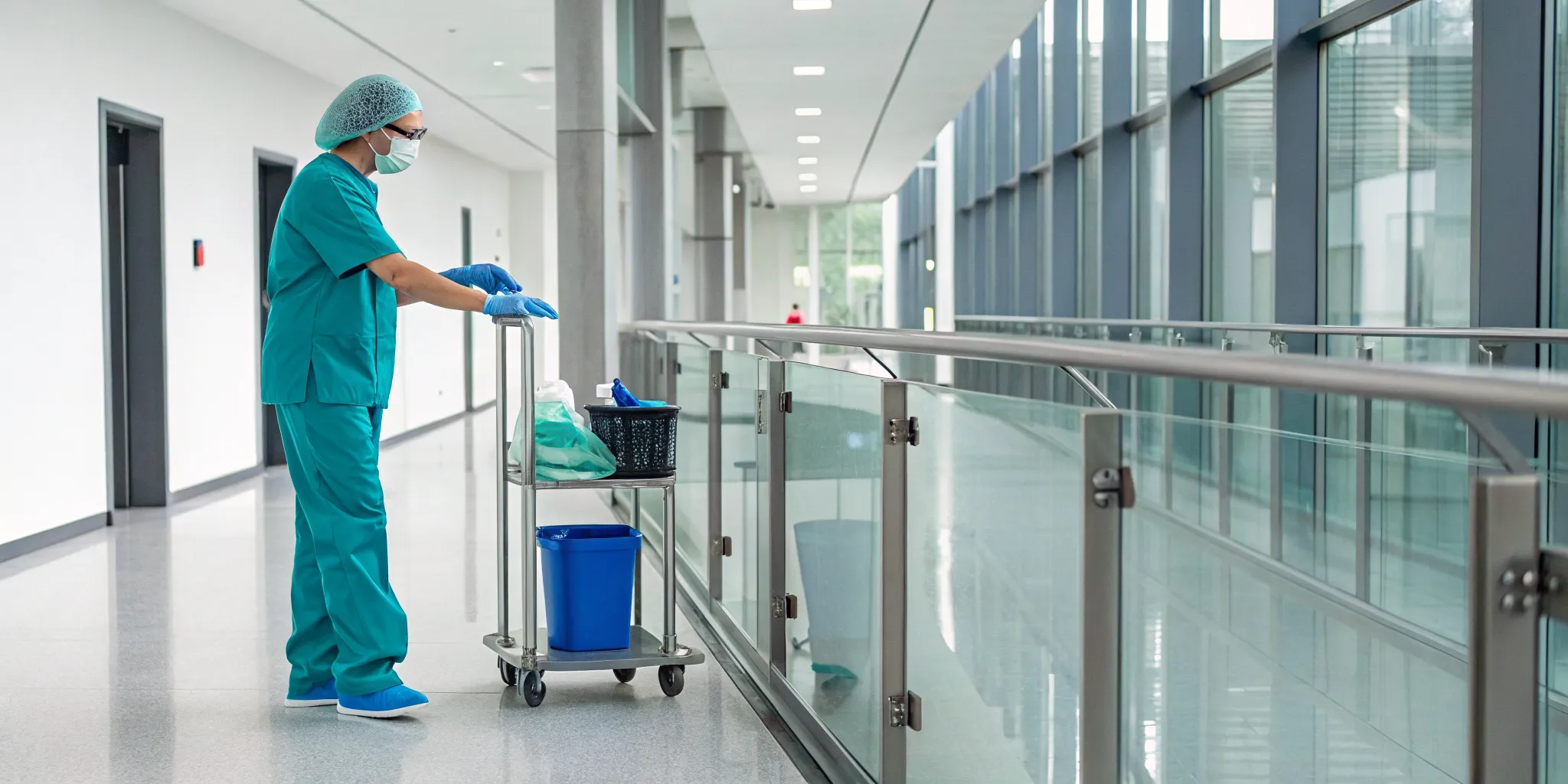
Relying on an in-house team for cleaning can seem cost-effective, but in a medical environment, it often creates significant gaps in safety and compliance. Your staff may be great at daily upkeep, but do they have specialized training in bloodborne pathogens or the correct use of EPA-registered disinfectants? Keeping up with changing CDC guidelines is a job in itself. This is a common challenge that professional healthcare cleaning services are designed to solve. By partnering with experts, you ensure your facility is cleaned by certified technicians who understand the science of infection control, closing training gaps and freeing your team to focus on patient care.
Key Takeaways
- Prioritize Infection Control Over Appearance: True healthcare cleaning focuses on eliminating pathogens to prevent the spread of illness. This requires using EPA-registered disinfectants correctly and following strict protocols from health agencies like the CDC, which is a step beyond standard janitorial services.
- A Professional Service Follows a Clear Process: A reliable partner will start with a custom facility assessment, create a detailed cleaning plan, use technicians with specialized training, and implement quality control checks to ensure standards are consistently met.
- Verify Credentials Before You Commit: When choosing a provider, ask for proof of their experience in medical settings, staff certifications, and comprehensive insurance. Speaking with their current clients is one of the best ways to confirm their reliability and quality of work.
What Is Healthcare Cleaning?
Healthcare cleaning isn’t just about making a space look tidy; it’s a specialized service designed to create and maintain a sterile environment in medical facilities. The primary goal is to protect patients, staff, and visitors from harmful pathogens and prevent the spread of healthcare-associated infections (HAIs). This type of cleaning goes far beyond what standard janitorial services offer, requiring specific protocols, products, and training to meet the strict demands of the medical field. It’s a critical component of patient care and facility management, ensuring safety is the top priority.
How It’s Different from Regular Cleaning
Think of it this way: regular cleaning focuses on appearance, while healthcare cleaning focuses on health. Wiping down a counter in an office is not the same as disinfecting an examination table. The key difference lies in a deep understanding of infection control. Professionals in this field know that simply cleaning a surface to remove dirt isn’t enough; they must also disinfect it to kill germs and bacteria. This requires specific knowledge of dwell times (how long a disinfectant must sit on a surface to be effective) and a commitment to following strict safety standards to ensure a truly sterile environment.
The Specialized Techniques and Products Used
Effective healthcare cleaning relies on a scientific approach. Technicians receive specialized training on everything from handling biomedical waste to preventing cross-contamination between rooms. They use specific, color-coded microfiber cloths and mops to ensure tools used in a restroom are never used in a patient room. The products are also different. Instead of all-purpose cleaners, healthcare cleaning services use EPA-registered, hospital-grade disinfectants proven to kill specific pathogens. Following the comprehensive cleaning guidelines from the CDC is not optional; it’s a fundamental part of the job that ensures every surface is properly sanitized and safe for patient care.
Common Misconceptions About Medical Cleaning
One of the biggest myths about medical cleaning is that it’s a simple task anyone can do. In reality, there is a lot of science and expertise behind it. It’s not just about wiping things down; it’s about understanding microbiology, chemistry, and public health protocols. Another common concern is that hiring a professional service means letting go of your current janitorial staff. This isn’t usually the case. A professional healthcare cleaning service can often work with your existing team, providing specialized training and handling the more critical tasks while your staff manages daily upkeep, creating a stronger, more effective cleaning program overall.
Why Your Facility Needs Professional Healthcare Cleaning
When you manage a healthcare facility, “clean” means something entirely different. It’s not just about appearances; it’s about safety, compliance, and the well-being of every person who walks through your doors. Standard janitorial services often lack the specific training and protocols required to handle the unique challenges of a medical environment, from biohazardous waste to sterile procedure rooms. This is where professional healthcare cleaning becomes essential. It’s not a luxury, but a fundamental part of your risk management and patient care strategy. A specialized team brings the right tools, EPA-registered products, and a deep understanding of infection control that is critical for protecting patients, staff, and your facility’s reputation. They work as an extension of your team, dedicated to creating a safe and healthy space where healing can happen. Their expertise ensures that every surface is treated correctly, reducing cross-contamination and supporting your facility’s mission to provide top-tier care. By entrusting this critical task to experts, you free up your internal resources to focus on what you do best: providing excellent patient care.
To Protect Patients and Prevent Infection
In a medical setting, the stakes are incredibly high. With a constant flow of patients, visitors, and staff, the risk of spreading germs and healthcare-associated infections (HAIs) is a serious concern. Professional healthcare cleaners are your first line of defense. They understand that simply wiping down a surface isn’t enough. Effective cleaning must happen before disinfection can work, a critical two-step process that is often overlooked. A trained team uses specific protocols to target high-touch areas, from doorknobs and waiting room chairs to exam room equipment. This rigorous approach to commercial cleaning services helps break the chain of infection, protecting your most vulnerable patients and ensuring your staff has a safe place to work.
To Meet Regulatory and Compliance Standards
Healthcare facilities operate under a microscope of regulations from organizations like OSHA and the CDC. Staying compliant isn’t just about avoiding fines; it’s about upholding a standard of care. A professional cleaning service that specializes in healthcare environments will be well-versed in these complex requirements. They will have a deep knowledge of OSHA safety standards and infection control practices, ensuring every cleaning task is documented and performed correctly. This takes the burden of compliance off your shoulders, giving you peace of mind that your facility meets or exceeds all necessary health and safety codes. Their expertise becomes your asset, helping you maintain a safe environment that’s always ready for an inspection.
To Build Patient Trust and Your Reputation
The cleanliness of your facility is one of the first things a patient notices, and it speaks volumes about your commitment to their safety. A visibly clean, well-maintained environment instantly builds trust and confidence. When patients feel safe, they are more likely to have a positive experience and recommend your facility to others. Choosing a cleaning partner who cares about patient safety as much as you do is essential for protecting and enhancing your reputation. By investing in specialized services like professional laboratory cleaning, you demonstrate a clear dedication to excellence. This commitment to a higher standard of cleanliness becomes a cornerstone of your brand, showing patients and their families that their well-being is your top priority.
What Standards Do Healthcare Cleaners Follow?
When you hire a professional cleaning service for a medical facility, you’re not just paying for a tidy space. You’re investing in a partner who understands and rigorously follows the strict standards set by federal agencies. These regulations are not optional; they are the foundation of a safe healthcare environment for both your patients and your staff. A reputable cleaning provider will be fluent in these requirements and have established processes to ensure every cleaning task meets or exceeds them. This commitment to compliance is what separates basic janitorial work from true healthcare cleaning services.
Adhering to OSHA Safety Protocols
The Occupational Safety and Health Administration (OSHA) is focused on one thing: keeping workers safe. In a healthcare setting, this includes protecting cleaning technicians and medical staff from workplace hazards, including exposure to infectious diseases and harsh chemicals. OSHA sets forth standards that help improve indoor air quality, reduce the spread of illness, and ensure employee safety. Professional cleaners follow OSHA’s Bloodborne Pathogens standard, use personal protective equipment (PPE) correctly, and adhere to protocols for handling regulated waste. This creates a safer environment for everyone in your facility.
Following CDC Infection Prevention Guidelines
While OSHA focuses on worker safety, the Centers for Disease Control and Prevention (CDC) provides the roadmap for infection control. The CDC offers detailed, science-backed recommendations for cleaning and disinfecting healthcare environments to prevent the spread of pathogens. A professional cleaning partner should be deeply familiar with these guidelines to ensure all cleaning operations align with national standards for health and safety. This includes using the right techniques for high-touch surfaces, performing terminal cleaning in operating rooms, and following specific protocols that are essential for protecting vulnerable patients from healthcare-associated infections.
Using EPA-Registered Disinfectants
You can’t just use any cleaning product in a medical facility. The Environmental Protection Agency (EPA) evaluates and registers antimicrobial disinfectants to certify they are effective against specific pathogens, like MRSA and C. diff. Using EPA-registered, hospital-grade disinfectants is a non-negotiable part of healthcare cleaning. Cleaners in healthcare environments must undergo specialized training that includes handling biomedical waste safely and using appropriate EPA-registered disinfectants. This ensures that the products used in your facility are proven to kill germs and are applied correctly by trained technicians for maximum effectiveness.
Which Facilities Require Specialized Cleaning?
Not all cleaning needs are created equal. While a standard janitorial service can keep a typical office tidy, healthcare and technical facilities demand a much higher level of care. These environments have unique challenges, from infection control to protecting sensitive equipment, that require specific protocols, training, and tools. Understanding your facility’s specific requirements is the first step toward creating a truly safe and compliant space for your staff, patients, and visitors. Let’s look at the types of facilities that absolutely need specialized cleaning services.
Hospitals and Surgery Centers
Hospitals and ambulatory surgery centers are on the front lines of public health, making them ground zero for infection prevention. The risk of healthcare-associated infections (HAIs) is a constant concern, so cleaning goes far beyond surface appearances. A professional cleaning provider for these environments must have a deep understanding of infection control practices and follow strict protocols for terminal cleaning in operating rooms and patient areas. Technicians need specialized training to properly use hospital-grade disinfectants and adhere to safety standards set by organizations like OSHA to protect both patients and staff from exposure to pathogens.
Medical Offices and Dental Clinics
Your local doctor’s or dentist’s office sees a steady stream of patients every day, each one bringing a unique set of germs. These high-traffic environments, including outpatient centers and urgent care clinics, require meticulous cleaning to prevent cross-contamination between patients. Waiting rooms, exam tables, and dental chairs are high-touch surfaces that can easily harbor bacteria and viruses. Professional commercial cleaning services tailored for medical offices focus on disinfecting these key areas, helping to build patient trust and maintain a reputation for safety and professionalism in the community.
Laboratories and Research Facilities
In laboratories and research settings, the primary goal of cleaning is to protect the integrity of scientific work and ensure the safety of personnel. Contamination can ruin experiments, cost millions in lost research, and pose a significant health risk. Cleaners working in these spaces must undergo specialized training to handle everything from sensitive equipment to biomedical waste. A dedicated laboratory cleaning program ensures that surfaces are not just clean but also free of contaminants that could compromise research outcomes, all while following strict safety and disposal protocols.
Critical Environments and Cleanrooms
Critical environments like data centers, server rooms, and cleanrooms are the nerve centers of modern business and research. In these settings, even microscopic dust particles can cause catastrophic equipment failure or contaminate sterile processes. Specialized critical environment cleaning uses anti-static equipment, HEPA-filtered vacuums, and specific techniques to control particulate levels. For example, proper raised floor cleaning is essential in data centers to prevent dust from being circulated by cooling systems. This meticulous approach is vital for maintaining operational integrity and protecting priceless technological assets.
What Does the Healthcare Cleaning Process Look Like?
When you partner with a professional healthcare cleaning service, you’re not just hiring someone to wipe down surfaces. You’re implementing a systematic process designed to protect patients, staff, and your facility’s reputation. A truly professional service doesn’t offer a generic, one-size-fits-all solution. Instead, they follow a detailed, multi-step approach to ensure every corner of your facility meets the highest standards of safety and cleanliness. This isn’t about a simple checklist; it’s about creating a comprehensive program that addresses the specific risks and requirements of a medical environment.
This structured process provides consistency, accountability, and peace of mind, knowing that your cleaning protocols are both effective and compliant with regulations from bodies like OSHA and the CDC. It moves beyond basic cleaning to focus on disinfection and infection prevention, which are critical in a healthcare setting. From the moment they first step into your facility for an assessment to the regular quality checks they perform, every action is deliberate and documented. Let’s walk through the key stages of a professional healthcare cleaning plan, so you know exactly what to expect from a top-tier provider.
Starting with an On-Site Assessment and Custom Plan
The first step is always a detailed on-site assessment. A team of experts will walk through your facility to understand its unique layout and specific needs. They’ll identify high-traffic zones, critical patient care areas like exam rooms and surgical suites, and common spaces such as waiting rooms and restrooms. This walkthrough allows them to note any particular challenges your facility faces. Based on this comprehensive evaluation, they will develop a customized cleaning plan that is tailored specifically to your requirements, ensuring that the right techniques and attention are applied exactly where they are needed most.
Establishing Your Cleaning Protocols and Schedule
Once your custom plan is in place, the next step is to establish clear cleaning protocols and a consistent schedule. This involves defining the specific procedures, products, and equipment that will be used in each area of your facility. The schedule is carefully planned to minimize disruption to your daily operations, with cleaning often performed during off-peak hours. These protocols are not set in stone. A reliable cleaning partner will conduct regular reviews and updates to ensure your facility remains compliant with the latest health and safety guidelines from organizations like the CDC and OSHA, adapting practices as new information becomes available.
Ensuring Technicians Are Properly Trained and Certified
The effectiveness of any cleaning plan depends entirely on the people carrying it out. That’s why ensuring technicians are properly trained is a non-negotiable part of the process. Cleaning a medical facility requires more than general janitorial skills; it demands a deep understanding of infection control, pathogen transmission, and the correct use of hospital-grade disinfectants. Reputable companies invest heavily in their teams, providing specialized training in areas like bloodborne pathogens and terminal cleaning. This commitment to education ensures that the technicians working in your facility are true experts in critical environment cleaning and are fully prepared to maintain a safe environment.
Implementing Quality Control and Monitoring
Finally, a professional healthcare cleaning service includes robust quality control and monitoring. This isn’t a “set it and forget it” service. It involves regular inspections and performance audits to ensure the established protocols are being followed correctly and consistently. Detailed records are kept for every cleaning session, providing a clear log for compliance checks and accreditation surveys. This ongoing oversight helps identify any areas for improvement and ensures that the cleaning practices remain effective over time. It creates a system of accountability that gives you confidence that your facility is always clean, safe, and ready for patients.
How to Choose the Right Healthcare Cleaning Partner
Choosing a cleaning partner for your healthcare facility is a major decision impacting patient safety and your reputation. It’s not just about appearance; it’s about finding a team that understands the science of disinfection and regulatory compliance. To make the right choice, look closely at a company’s credentials, training, and track record. Here’s what to focus on.
Verify Their Industry Experience and Certifications
General cleaning experience doesn’t translate to healthcare. A qualified partner needs a deep understanding of infection control. When vetting companies, ask about their experience with facilities like yours. They should have a firm grasp of OSHA safety standards and be able to explain how they prevent cross-contamination. Look for company-wide certifications, like the Cleaning Industry Management Standard (CIMS), which demonstrates a commitment to quality. This specialized experience is essential for keeping your patients and staff safe.
Ask About Their Staff Training and Qualifications
The quality of your cleaning service depends on the technicians. Ask potential partners about their staff training on infection control, proper disinfectant use, and terminal cleaning protocols. Top-tier companies invest in their teams with programs like the Certified Healthcare Environmental Services Technician (CHEST) certification. This ensures staff are actively supporting your facility’s infection prevention efforts. Properly trained personnel are your first line of defense against healthcare-associated infections.
Confirm They Are Fully Insured and Bonded
This is a critical, non-negotiable step. Any professional cleaning service you hire must be fully insured and bonded. General liability insurance covers accidental property damage, while a janitorial bond protects you from theft. In a healthcare setting with expensive equipment, this coverage is essential. Ask to see a current certificate of insurance to verify their coverage is adequate. A reputable company will provide this documentation without hesitation.
Check Their References and Track Record
A proposal highlights strengths, but references tell the real story. Ask for a list of current clients from facilities similar to yours and call them. Inquire about the company’s reliability, communication, and how they resolve issues. Beyond formal references, look for online reviews and case studies. A proven track record in specialized areas, like laboratory cleaning, shows they can handle your unique demands. This due diligence ensures you partner with a company that delivers.
Common Challenges a Professional Service Solves
Managing a healthcare facility comes with a unique set of responsibilities, and maintaining a truly clean environment is one of the most critical. While it might seem like a straightforward task, several common hurdles can compromise patient safety, staff well-being, and your facility’s compliance. Partnering with a professional cleaning service helps you overcome these challenges by bringing in specialized expertise and proven systems that an in-house team may struggle to maintain. From mastering infection control to keeping up with regulations, an expert partner handles the complexities so you can focus on patient care.
Eliminating High-Touch Surface Contamination
It’s a common mistake to think that cleaning and disinfecting are the same thing. True safety lies in understanding the difference. A surface that looks clean can still harbor dangerous pathogens. Professional cleaners are trained to identify all the high-touch surfaces in your facility, like doorknobs, light switches, countertops, and medical equipment. They then apply a two-step process: first cleaning to remove dirt and grime, then using the correct EPA-registered disinfectant to kill germs. This methodical approach is a cornerstone of effective commercial cleaning services and is essential for reducing the spread of illness within a healthcare setting.
Mastering Infection Control and Prevention
Preventing healthcare-associated infections (HAIs) is a top priority, and it requires a deep understanding of infection control practices. A qualified cleaning provider doesn’t just wipe down surfaces; they implement comprehensive protocols based on OSHA and CDC guidelines. This includes using the right products, following specific dwell times for disinfectants, and preventing cross-contamination between different areas of your facility. This level of expertise is particularly vital in sensitive areas, where meticulous critical environment cleaning is necessary to protect vulnerable patients and maintain sterile conditions. A professional team brings the knowledge needed to create a consistently safe environment.
Addressing In-House Staffing and Training Gaps
One of the biggest challenges facilities face is the lack of proper training for in-house cleaning staff. Healthcare cleaning requires more than a mop and bucket; it demands specialized knowledge of pathogens, chemical safety, and specific protocols for different medical settings. A professional service solves this by investing heavily in staff education and certification. Their technicians are trained experts in infection control and the unique demands of cleaning laboratories and other medical spaces. This removes the burden of training and management from your shoulders, ensuring the job is done right every time by a qualified team.
Keeping Pace with Changing Regulations
Health and safety regulations are not static. Guidelines from organizations like the CDC and OSHA are updated regularly to reflect new research and public health concerns. For a busy facility manager, staying on top of these changes can feel like a full-time job. A dedicated healthcare cleaning partner makes compliance their business. They continuously monitor regulatory updates and adjust their cleaning protocols accordingly, ensuring your facility always meets the latest standards. This proactive approach protects you from potential fines and, more importantly, ensures you are always providing the safest possible environment for your patients and staff.
Understanding the Cost of Healthcare Cleaning Services
When you’re budgeting for your medical facility, understanding the cost of healthcare cleaning is crucial. Unlike standard office cleaning, pricing for medical environments isn’t based on a simple square-footage calculation alone. The final quote reflects the specialized nature of the work, which is essential for patient safety and regulatory compliance. Several key factors influence the price, from the complexity of your space to the specific protocols required to keep it sterile. Thinking about these variables will help you evaluate proposals from cleaning providers and understand the value behind the investment in a truly professional service. It’s less about finding the cheapest option and more about securing a partner dedicated to maintaining a safe and healthy environment for your patients and staff.
How Facility Size and Complexity Affect Price
It’s true that the larger your facility, the more it will cost to clean. But in healthcare, complexity plays an even bigger role in pricing. A small dental clinic with multiple operatories will have different cleaning needs than a large, open-plan physical therapy center. As one industry guide notes, medical offices usually cost more because they require special protocols. The number of exam rooms, restrooms, surgical suites, and high-touch surfaces like doorknobs and light switches all add to the scope of work. A professional cleaning service will assess these unique factors to create a custom plan that addresses the specific risks and requirements of your space, ensuring every area is properly sanitized.
The Impact of Service Frequency and Scope
How often your facility needs cleaning and what that cleaning entails are major cost drivers. Daily cleaning is standard for most healthcare settings to manage the constant flow of patients and staff. The scope of work also varies significantly. A routine daily clean focuses on disinfecting high-touch surfaces, emptying trash, and maintaining floors. However, you may also need periodic deep cleaning or terminal cleaning for procedure rooms. While standard office cleaning might range from $0.07 to $0.20 per square foot, specialized services for medical facilities command a higher rate. Additional services, like professional hard floor cleaning or carpet care, will also be factored into your overall agreement and cost.
Factoring in Specialized Equipment and Supplies
Professional healthcare cleaning requires more than a mop and bucket. The cost includes the use of hospital-grade supplies and advanced equipment designed to eliminate pathogens effectively. Reputable cleaning services use strong, EPA-approved disinfectants formulated to kill a broad spectrum of bacteria and viruses. The equipment is also specialized, often including HEPA-filter vacuums that capture airborne particles, microfiber cloths that trap contaminants, and electrostatic sprayers for 360-degree surface coverage. The cost of this gear, along with the necessary personal protective equipment (PPE) for the cleaning technicians, is built into the service price, ensuring your facility is cleaned to the highest standard of safety.
Key Questions to Ask a Potential Provider
When you evaluate a cleaning service, the price tag is only part of the story. To ensure you’re partnering with a true professional, you need to ask the right questions. A qualified provider should be ready to show you their credentials. Start by asking for proof of their industry-specific training, certifications, and comprehensive insurance. As one expert suggests, providers should be prepared to show evidence of certification and training. Key questions to ask include: “Are your technicians trained on OSHA, HIPAA, and CDC guidelines?” “Can you provide references from other medical facilities?” and “What quality control measures do you have in place?” A transparent and confident response to these questions indicates a reliable partner for your facility’s commercial cleaning services.
Related Articles
- Enhance Patient Care with Commercial Medical Cleaning Services
- Specialized Healthcare Facility Cleaning | Protecting Patients & Staff
- Medical Office Cleaning Services – Healthcare Cleaning Services
Frequently Asked Questions
My facility is a small medical office, not a hospital. Do I really need specialized healthcare cleaning? Yes, absolutely. The risk of infection isn’t determined by the size of your facility but by the nature of the services you provide. Even in a small clinic, you have a steady flow of patients, many with compromised immune systems. Specialized cleaning focuses on disinfecting the high-touch surfaces in your waiting room, exam rooms, and restrooms to break the chain of infection. It ensures you meet the same fundamental health and safety standards required in any medical setting, protecting your patients and your practice’s reputation.
What is the real difference between cleaning and disinfecting? This is a great question because the two terms are often used interchangeably, but they are very different steps. Cleaning is the physical act of removing dirt, debris, and germs from a surface. Disinfecting is the process of using specific, EPA-registered chemicals to kill the pathogens that remain after cleaning. A surface must be cleaned first for a disinfectant to work effectively. A professional healthcare cleaning service understands this critical two-step process and performs it correctly every time.
How can I be sure a cleaning service is truly qualified to work in a medical environment? You can verify a company’s qualifications by asking for specific proof. A reputable partner will readily provide documentation of their staff’s training on OSHA and CDC guidelines, as well as any industry certifications they hold. You should also ask for references from other healthcare facilities they service and confirm they carry comprehensive liability insurance and bonding. A company that is confident in its expertise will be transparent about its credentials and track record.
Will your cleaning services disrupt our daily operations and patient care? Not at all. A key part of a professional service is creating a custom cleaning plan that works around your schedule. We conduct a thorough on-site assessment to understand your facility’s workflow and peak hours. Most cleaning and disinfecting tasks are scheduled for evenings or weekends to ensure there is no disruption to your staff or interference with patient appointments. The goal is to provide a safe, sterile environment without ever getting in your way.
Can a professional service work with my current in-house janitorial staff? Yes, this is a common and effective arrangement. A specialized healthcare cleaning service doesn’t necessarily have to replace your existing team. We can collaborate by handling the more technical and critical tasks, like terminal cleaning, infection control, and compliance-focused procedures. Your in-house staff can continue to manage daily upkeep, like tidying common areas and restocking supplies. This partnership creates a more robust and comprehensive cleaning program for your facility.
Foreman Pro provides medical office cleaning in Annapolis, medical office cleaning in Washington, D.C., and medical office cleaning in Yorktown for clinics, dental offices, and healthcare facilities that need specialized janitorial support.
