
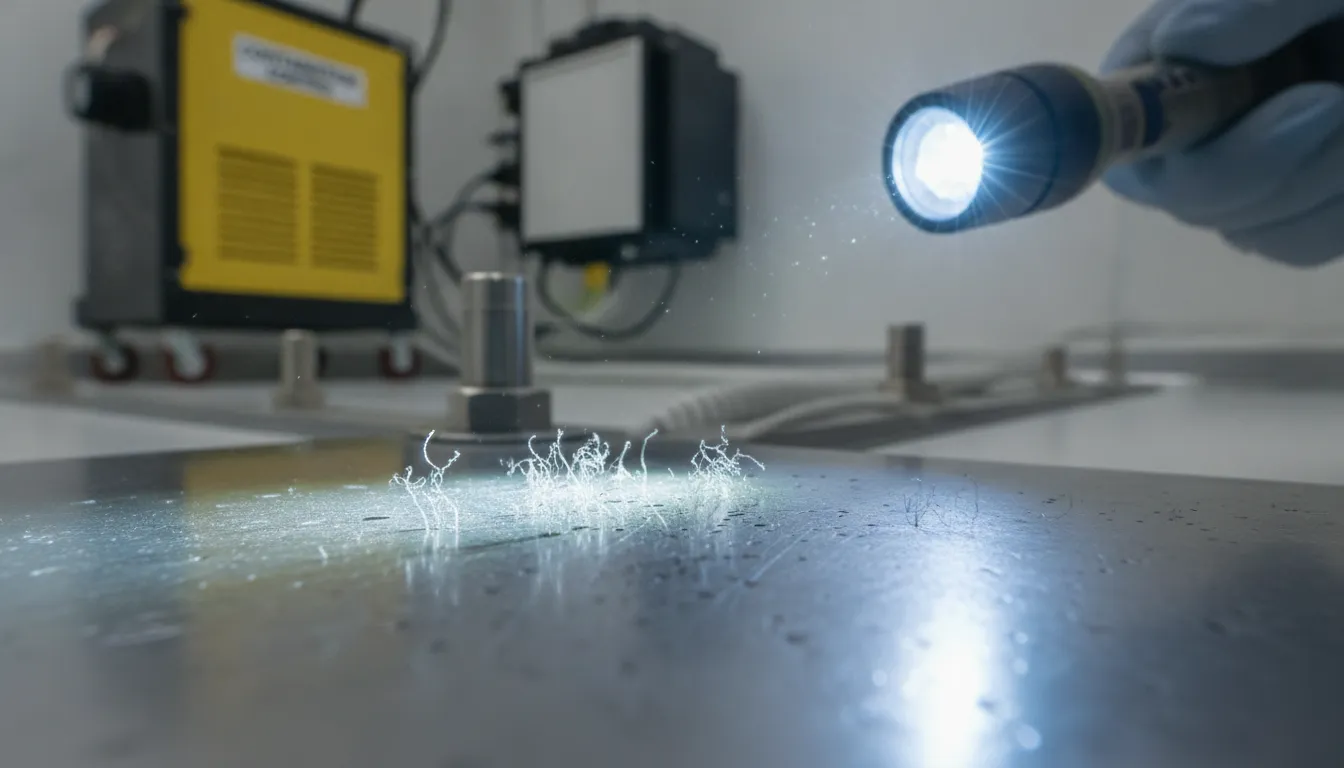
Conductive zinc whiskers as small as 200 microns cause ghost failures in modern data center equipment. These conductive filaments break off from electroplated steel surfaces. They travel through the air into sensitive hardware. Maintaining uptime requires a professional approach to contamination control and particulate management.
Effective zinc whisker mitigation data center strategies involve a mix of hardware replacement and specialized contamination control rules. These conductive filaments grow from electroplated steel surfaces like floor tiles and cause major short circuits when they enter server equipment. Standard filters cannot stop these small whiskers, so facility managers must use HEPA vacuums and static-safe tools to remove them safely. Professional cleaning teams from Foreman Pro Cleaning follow ISO 14644-1 cleanroom standards and provide specialized data center cleaning services to find early signs of growth and perform remediation. By keeping a strict particulate management schedule, teams can prevent random hardware failures and extend the life of their systems. This proactive approach ensures that microscopic debris does not hurt the reliability of vital systems or lead to expensive unplanned downtime.
Knowing how these metal filaments grow is the first step to keeping your facility safe. Many teams miss the signs of growth until systems start to fail. Request a free estimate for your facility by calling 888-360-1608. The section below explains the specific risks these conductive filaments pose to your hardware.
Zinc Whisker Mitigation Data Center: What Are Zinc Whiskers and How Do They Threaten Data Centers?
What is the origin of zinc whisker filaments?
Bell Labs first found zinc whiskers in the late 1940s on zinc-plated wall brackets. These conductive filaments are a known threat to systems. They grow from surfaces that use electroplated zinc. Research from the National Institute of Standards and Technology (NIST) shows how these crystals form. They emerge from the metal base because of stress. This growth can take years to become a risk. The result is a set of thin, conductive paths. Each filament is tiny, but they are strong enough to cause major faults.
Most whiskers stay under 200 microns in length. While small, this size is enough to bridge the gap between circuit board traces. These filaments often grow on the underside of raised floor tiles. Since they are lightweight, they can break off and enter the air stream. Cooling fans then carry them deep into server racks. This movement makes specialized data center cleaning services a key part of risk management for modern sites.
How do conductive filaments cause ghost failures?
The main threat to uptime is a “ghost failure.” When a whisker lands on a live circuit, it creates a short circuit. The high current flow through the thin filament causes it to vaporize at once. This process leaves no trace of the cause. To a manager, the hardware appears to fail and then reset without a clear reason. These faults are hard to find and fix. They lead to downtime that can cost a lot of money each minute.
Foreman Pro Cleaning helps managers find and remove these microscopic particulates before they reach hardware. Without a plan, these filaments build up in spots like the sub-floor area. Once they enter the air flow, they bypass most standard filters. High-density server rooms are at the most risk because their circuit paths are very close. A single 200-micron filament can bridge many leads at once. This leads to data loss or total part failure.
What are the three main threats to server uptime?
The first threat is direct bridging of circuit traces. Whiskers are conductive and create paths where none should exist. This leads to noise or power shorts. The second threat is the role of air flow. Cooling systems act as a way to move these contaminants. They pull filaments from the floor and push them into the heat sinks of active equipment. Once inside, the filaments settle on power parts and boards. This makes it a top goal for site safety.
The third threat is the lack of proof. Because the whiskers vaporize during a short, staff often miss the root cause. This leads to the wrong repairs and more downtime. To stop this, you need to find the source of the growth. Electroplated steel parts are the most common source of these filaments. By using pro-active cleaning and audits, you can spot the “crystalline fuzz” before it breaks loose. This early action is the best way to keep your data center safe from these threats.
How Do Zinc Whiskers Grow on Electroplated Surfaces?
Zinc whiskers form through a metal process driven by stress in zinc coatings. These tiny filaments do not grow from the tip. Instead, pressure at the base pushes them out. This move is called creep. In data centers, this growth often happens on steel parts with a zinc finish used to stop rust. Research from the National Institute of Standards and Technology (NIST) shows that built-up stress is the main cause of this growth.
What Causes Pressure in Zinc Coatings?
Stress builds up during the plating process as zinc atoms land on the steel. Over time, the zinc reacts with the metal under it to form new layers. These layers take up more space, which raises the pressure inside the coating. This stress needs a way out. It eventually forces zinc atoms through the grain of the surface. This is much like how tin whiskers form on new parts. It is a significant concern for specialized data center cleaning services that maintain vital systems.
How did new regulations affect whisker growth?
The move to lead-free finishes has raised the risk of whiskers in newer sites. In the past, shops added lead to metal coatings to keep them stable. Lead helped to ease the internal stress and stop atoms from moving to form filaments. But new green rules led to the removal of lead from most work. Without lead to hold the grain in place, zinc is more likely to reach the stress levels that cause whiskers. This makes critical environment cleaning services a key part of checking old parts for risks.
Why Is the Growth So Hard to Predict?
Zinc whiskers are hard to manage because their start time is not known. A zinc floor tile or tray might stay safe for years before it grows many filaments. They can grow up to one millimeter each year, but many stay small. Heat and damp air can change the growth rate, but stress is still the main driver. These filaments are very hard to see. Most site managers use data center cleaning services to check for the thin fuzz with bright lights at a low angle.
Which Data Center Components Are at Risk for Zinc Whisker Growth?
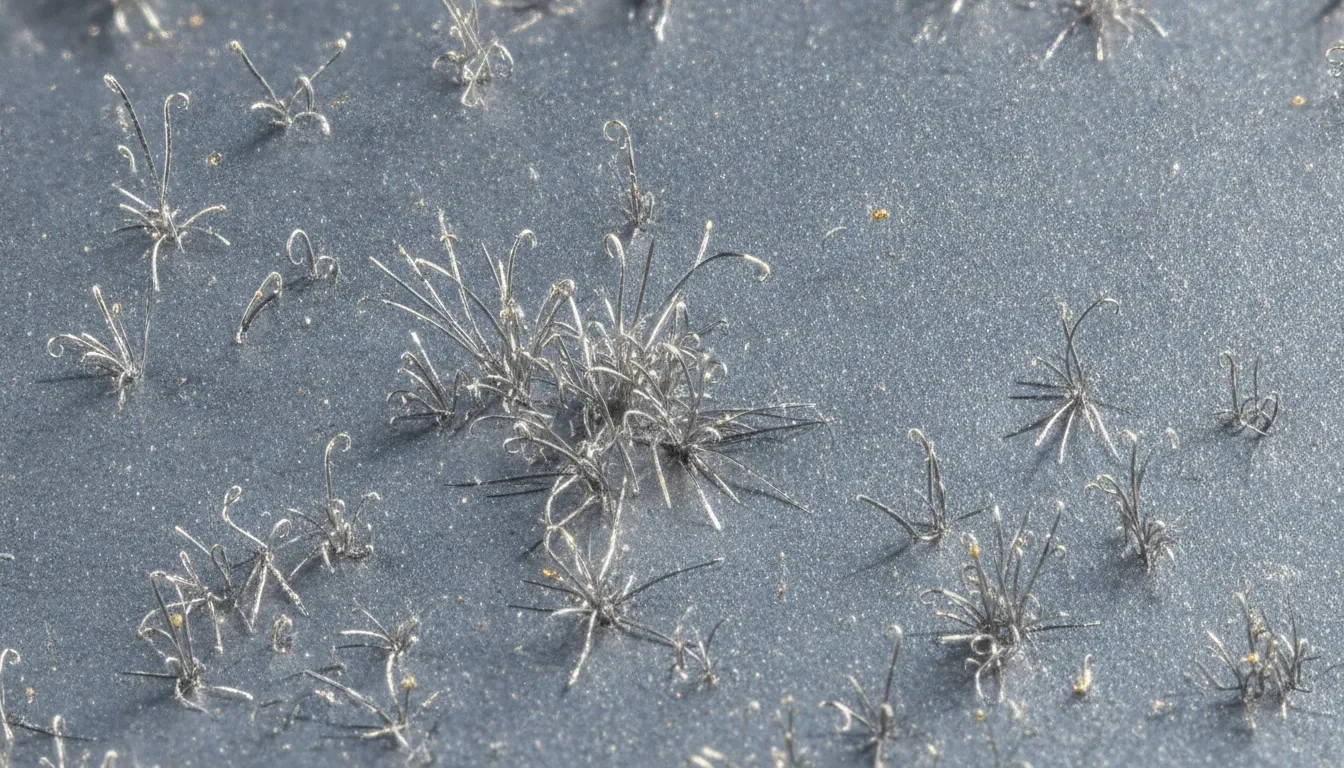
Most data centers built in the late 1990s face a high risk. During this time, manufacturers used zinc coatings on steel parts to stop rust. These parts look solid but grow microscopic conductive filaments over time. These filaments carry power and can bridge circuits. They are a major cause of downtime in older sites.
The Peak Era of Risk
The late 1990s was the peak period for zinc-coated steel in data centers. The technology boom led to many new sites being built rapidly. Builders used this finish on many parts under the floor. Today, these parts show significant growth. As shown by NASA research, these conductive filaments grow from any plated surface. The growth comes from stress in the metal. Over years, this stress pushes the zinc out into thin paths. These paths look like dust to the naked eye. But under a lens, they are sharp metal particulates.
Which Parts Face the Most Risk?
Facility managers should focus on several key areas. The most common parts at risk are floor tiles and the support rails that hold them. Cable trays deserve attention as well. Small components like nuts and bolts can also grow these filaments. If one part shows growth, others likely have it too. This data center cleaning services guide helps you identify these risk areas. Many sites have a mix of old and new parts. This makes it hard to know where the risk lies without a professional assessment.
| Component. | Typical Material. | Risk Level. | Mitigation Approach. |
|---|---|---|---|
| Raised Floor Tiles. | Zinc-plated steel. | High. | Replace or seal tiles. |
| Floor Pedestals. | Plated steel studs. | Moderate. | Deep cleaning and care. |
| Cable Trays. | Zinc-coated wire mesh. | High. | Swap for powder coats. |
| Floor Stringers. | Steel support rails. | Moderate. | Apply new coatings. |
| Strut supports. | Cold-plated steel. | Moderate. | Remove or treat metal. |
Why Daily Work Poses a Risk
Working in the sub-floor area is a primary risk factor. When crews pull new cables, they scrape against zinc-coated trays. This friction breaks the conductive filaments into the air stream. The same thing happens when personnel walk on old floor tiles. The tiles flex just enough to snap the stiff filaments underneath. Once these filaments are loose, the HVAC system spreads them. They are lightweight and remain suspended for extended periods. They only stop when they encounter a static charge or settle into a small gap.
Moving cables or tiles releases thousands of microscopic particulates into the air. Using specialized data center cleaning services helps remove these particulates safely. A good zinc whisker mitigation data center plan includes HEPA-filtered vacuums. These tools trap the particulates so they do not settle on your hardware. Working with trained technicians who understand critical environments prevents short circuits and keeps your systems online.
How Can You Detect Zinc Whisker Contamination in Your Data Center?
Finding zinc whiskers in a data center requires a systematic approach. These microscopic particulates are too small to see in normal light. They often cause hardware to fail without a clear explanation. Facility managers must look for specific indicators to locate these conductive growths.
Identify intermittent failure patterns
Zinc whiskers often cause “ghost failures” in server rooms. These short circuits occur and then stop. The power surge typically vaporizes the filament that caused it. This leaves no trace for IT teams to investigate. If you observe resets with no software cause, it may indicate whisker growth. These issues often surface after floor tiles or cables are moved. That disturbance sends particulates into the cooling air stream.
Conduct a high-intensity light audit
Detecting whisker growth on floor tiles requires specific tools. A high-intensity flashlight is the most effective tool for this task. Shine the light at a shallow angle across the underside of the tiles. This technique reveals the crystalline fuzz that indicates whisker growth. Focus your inspection on the bottom of zinc-plated steel tiles. If the surface glistens or appears dusty under the light, you may have identified a contamination risk. Forensic inspections like this are part of specialized data center cleaning services from trained professionals.
Follow a systematic inspection protocol
-
Check system logs for power spikes or sudden resets with no clear software cause. These ghost failures often point to conductive particulates in the air flow.
-
Shut down systems in the inspection zone to prevent new shorts during the evaluation of the floor grid.
-
Use a high-intensity light to scan the floor components and the underside of tiles at a shallow angle.
-
Take samples from parts that glisten or show crystalline texture using tape lift kits for laboratory analysis.
-
Send samples to a lab to confirm whether zinc is present per NIST reliability standards for electronic systems.
-
Monitor airborne particulate levels during floor maintenance to determine whether routine tasks release additional filaments into server racks.
-
Hire a professional team to conduct a full site assessment and deploy professional data center remediation protocols if testing confirms contamination.
Confirm results with laboratory analysis
Visual inspections can identify risk areas, but laboratory analysis provides definitive confirmation. Lab tests use advanced microscopy to determine the metal composition and growth morphology. This step determines whether the crystalline texture is zinc or ordinary dust. Following guidelines from the CDC for indoor air quality and NIST for hardware reliability ensures a thorough assessment. A formal report helps you plan the appropriate next steps for site safety and equipment protection.
What Are the Best Mitigation Strategies for Zinc Whiskers?
Safe zinc whisker mitigation data center plans focus on hardware changes and strict air controls. Facility managers must stop current growth while keeping new conductive filaments out of the air. A good plan uses new hardware, surface coatings, and air filters to protect key systems. These steps help prevent the “ghost failures” that can disrupt your operations.
How does replacing parts reduce risk?
Swapping out zinc-plated parts for safer ones is the best way to stop whisker growth. Items like floor stringers with zinc finishes are often the main source of the problem. Teams should use powder-coated or hot-dip galvanized parts to stop the stress that causes filaments to form. Per research from NIST, these other finishes do not grow the conductive whiskers that cause short circuits.
If you cannot swap all parts at once, start with the high-risk spots. Focus on cable trays and server racks near fast-moving air. Using specialized data center cleaning services during this work helps to clear any loose bits. This keeps your hardware safe while you make these changes.
Which coatings help stop whisker growth?
Special coatings add a layer of safety for parts you cannot replace right now. Workers may use zinc-free paints or grain pinning methods to lock the zinc in place. Some shops also use pulsed plating when making parts to create a better grain structure. These steps help lower the internal stress that pushes zinc out as small filaments. This keeps the surface stable and reduces the risk to nearby boards.
Sealing floor tiles with clear coatings can also trap whiskers under a safe layer. This keeps microscopic particulates from breaking free during work or when air pressure shifts. Regular critical environment cleaning services help check the state of these seals over time. It is a key part of keeping your room clean and safe.
How do air filters catch these bits?
Good air filters are a must for constant particulate management in your data center. HEPA systems must be rated to catch the tiny filaments that pass through normal filters. These units pull air through thick pads to trap metal bits before they get into server vents. Tight seals in the floor space also stop these bits from moving through the air vents.
Instead of cleaning once in a while, use a plan for constant control. This stops metal bits from building up and lowers the risk of short circuits. If you find a lot of growth, you may need professional data center remediation protocols to fix the room. This restores safe conditions and protects your tech for the long term.
How Does Professional Data Center Cleaning Mitigate Zinc Whisker Risks?
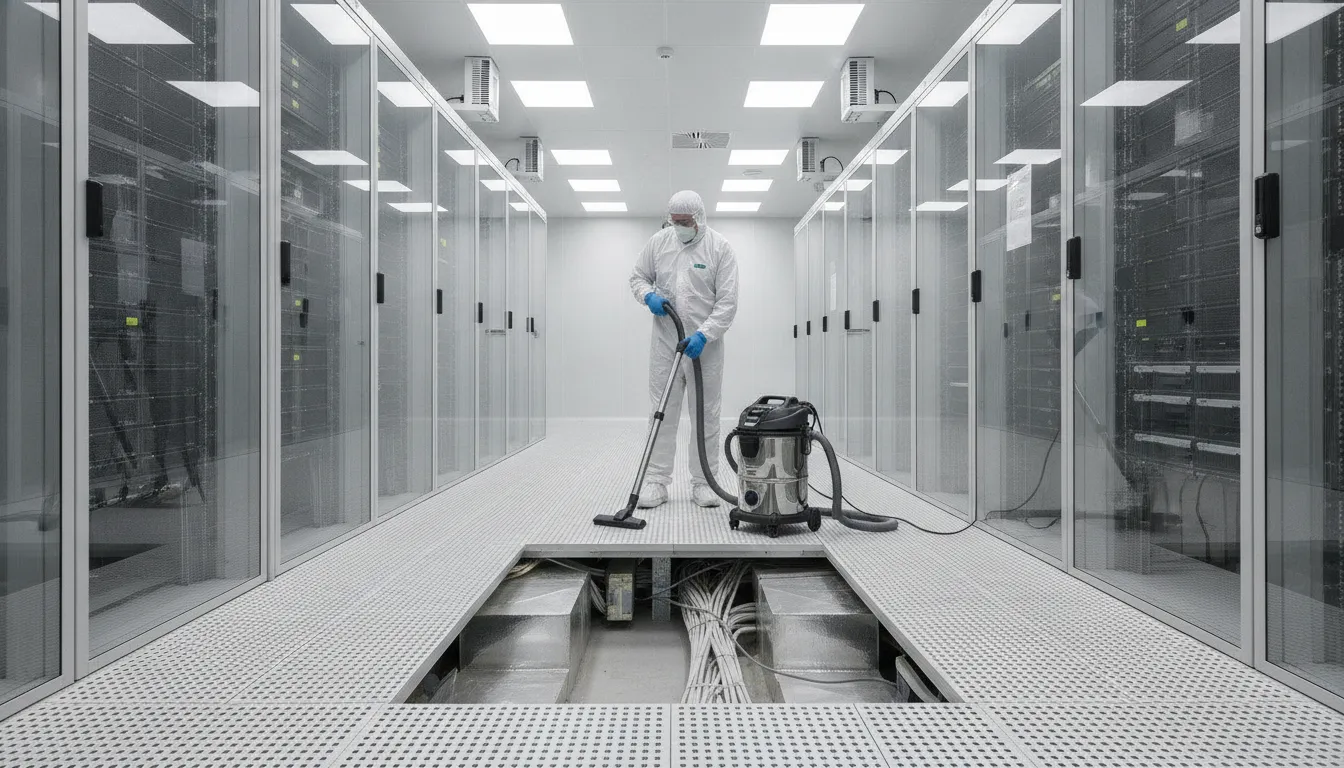
Managing zinc whisker mitigation data center risks needs special care that goes beyond basic cleaning. Foreman Pro Cleaning uses technical steps to find and remove these metal threads before they cause system breaks. Our team focuses on constant control of all particulates to keep your systems safe and running.
How do HEPA-filtered vacuums capture microscopic filaments?
The main tool for removing zinc whiskers is the HEPA-filtered vacuum. These systems must trap 99.97% of bits as small as 0.3 microns to work well. Since zinc whiskers can break into tiny parts, basic vacuums would just blow them back into the air. By using special tools, our team makes sure that these bits are caught and taken out for good.
Our specialized data center cleaning services use these high-grade filters to protect your hardware. Per EPA rules, true HEPA filters are needed to manage tiny bits that can harm tech parts. This level of care is a must to meet the ISO 14644-1 air standards for your data center.
Which static-safe tools are used for sub-floor decontamination?
Zinc whiskers often grow on the bottom of floor tiles and on the posts or rails that hold up the floor. Cleaning these spots needs tools that are safe for static to avoid shocks that could hurt servers. Our team uses brushes and wipes made of materials that do not build up a charge while we work.
We follow strict rules for cleaning the space under the floor and all metal parts. This means we wipe down every post and rail with microfiber tools and safe cleaning liquids. Our critical environment cleaning services include deep care for these hidden spots where metal threads are most likely to grow and spread.
Call Foreman Pro Cleaning at 888-360-1608 to schedule a data center cleaning assessment.
How does CET training ensure technical cleaning precision?
Good zinc whisker control depends on the skill of the people doing the job. Foreman Pro Cleaning hires staff who go through special training, such as Critical Environment Technician (CET) paths. This training shows them how to work near live power lines and fragile cables without causing a crash.
Trained pros know how to find the shiny fuzz that shows whisker growth. They use contamination control rules to move from the cleanest spots to those with more risk. This stops the spread of tiny bits between different parts of the site. By following facts from NIST, our team gives the exact care needed to protect your hardware from failures.
Frequently Asked Questions
Can zinc whiskers grow on stainless steel surfaces?
No, zinc whiskers do not grow on stainless steel or hot-dip galvanized steel. They only form on surfaces that use a zinc electroplating process. This process creates compressive stress in the metal finish. Over time, this stress causes microscopic filaments to push out from the surface. If you use stainless steel or powder-coated parts, you can avoid this specific risk in your facility.
Do zinc whiskers cause health problems for data center staff?
Zinc whiskers do not pose a direct health risk to people. These microscopic contaminants are too small to cause skin irritation or respiratory issues under normal conditions. The primary threat is to your electronic equipment. When these conductive contaminants break loose and enter the airflow, they can cause short circuits in servers. Most facility managers focus on equipment safety rather than human health when they manage this risk.
How long does it take for zinc whiskers to grow?
It often takes several years for zinc whiskers to grow long enough to cause problems. Most data centers do not see issues until the raised floor tiles are at least five to ten years old. The growth rate depends on the stress levels in the metal finish. According to the NIST, these filaments can reach lengths of about 200 microns. At this size, they often break off and move through the air.
Is it possible to clean zinc whiskers without replacing floor tiles?
You can clean zinc whiskers, but the fix is often temporary. Professional cleaning with HEPA-filtered vacuums can remove loose filaments and surface growth. However, the whiskers will continue to grow from the electroplated surface as long as the stress remains in the metal. The most effective strategy is to use specialized data center cleaning services to manage the risk while you plan for a full floor replacement.
How Can You Protect Your Data Center from Zinc Whisker Damage?
If you wait to act on zinc whisker growth, you risk sudden system failure and costly downtime that can lead to a major outage. Starting a cleanroom protocol today will help you find these microscopic particulates before they cause a crash or bridge a critical circuit in your servers. Our expert team will check your raised floors and cable trays to find hidden debris and keep your hardware safe from damage. You need to maintain steady uptime and avoid the high cost of emergency remediation by keeping your facility clean and safe for all critical equipment.
Ready to secure your data center? Call 888-360-1608 to schedule a free data center cleaning assessment with Foreman Pro Cleaning today.
