
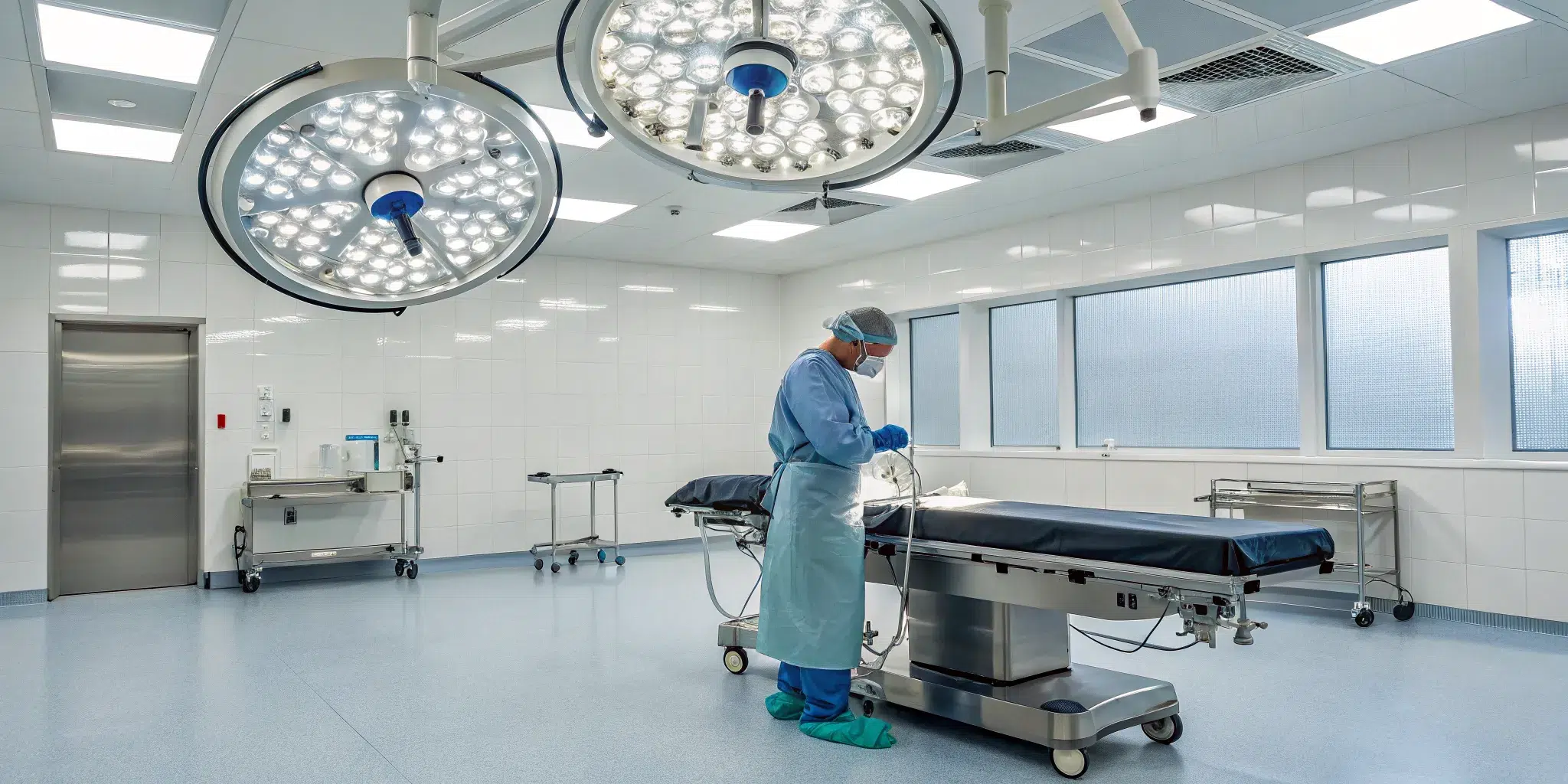
An operating room that looks clean isn’t enough; it must be hygienically sterile. Invisible pathogens can linger on surfaces, posing a direct threat to patient safety and leading to Healthcare-Associated Infections (HAIs). The only way to combat this unseen danger is with a rigorous, evidence-based cleaning protocol. Terminal cleaning is that protocol, a systematic process that disinfects every surface, from the overhead lights to the floor. To ensure nothing is missed, a comprehensive terminal cleaning checklist for operating rooms is essential. It transforms a complex task into a manageable, verifiable process, providing the framework needed to protect patients and staff effectively.
Key Takeaways
- Understand the purpose of the process: Terminal cleaning is a comprehensive, top-to-bottom disinfection of an operating room, not just a quick wipe-down. Its primary goal is to eliminate pathogens and prevent healthcare-associated infections, making it far more intensive than routine cleaning between surgeries.
- Follow a strict sequence with the right tools: The order of operations is critical. Always clean from high to low to avoid re-contaminating surfaces, use EPA-approved disinfectants for their required dwell time, and equip your team with proper PPE and microfiber tools.
- Train your team and verify your work: A detailed plan requires a well-trained team to execute it correctly. Implement ongoing training and use verification methods, like ATP testing, to get measurable proof that your cleaning protocols are effective and the room is truly sterile.
What is Operating Room Terminal Cleaning?
When it comes to keeping a healthcare facility safe, cleaning is more than just wiping down surfaces. In an operating room (OR), the stakes are incredibly high, which is why a specialized process called terminal cleaning is so important. It’s a comprehensive, top-to-bottom disinfection procedure designed to eliminate pathogens and prepare the OR for the next patient. Think of it as hitting the reset button on the entire room’s cleanliness. This isn’t your everyday tidying up; it’s a meticulous process that requires specialized critical environment training and plays a direct role in patient safety. To really understand its value, let’s look at what it involves and how it differs from the cleaning that happens between surgeries.
Defining Its Purpose and Scope
At its core, terminal cleaning is a deep clean of an operating room after the last surgical procedure of the day or when a patient is discharged. The main goal is to create a completely sanitized environment to control the spread of infectious diseases and protect both patients and medical staff. This process goes far beyond surface-level cleaning. It involves disinfecting every single item and surface in the room, from the surgical lights overhead to the wheels on the equipment carts. It’s a systematic approach to ensure that any lingering microorganisms are eliminated, making the space safe for the next person who needs care.
Routine vs. Terminal Cleaning: What’s the Difference?
It’s easy to confuse terminal cleaning with the routine cleaning that happens between surgeries, often called “turnover cleaning.” The key difference is timing and thoroughness. Routine cleaning is a quick, targeted disinfection of high-touch surfaces and areas visibly soiled during a procedure. It’s designed to make the room safe for the very next patient, often in a short amount of time. Terminal cleaning, on the other hand, is a much more intensive process. According to the CDC’s environmental cleaning procedures, it ensures that every surface, from top to bottom, is thoroughly disinfected and ready for the next day of operations.
Why Terminal Cleaning is Crucial for Patient Safety
An operating room is a place of healing, but it can also pose significant risks if not maintained with absolute precision. The link between a sterile environment and positive patient outcomes is direct and undeniable. This isn’t just about looking clean; it’s about creating a space where the risk of infection is systematically eliminated. Terminal cleaning is the comprehensive, top-to-bottom disinfection process that makes this possible. It goes far beyond routine tidying to eradicate dangerous pathogens from every surface, crack, and crevice, ensuring the room is safe for the next patient.
For healthcare administrators and facility managers, the responsibility is immense. You’re not just maintaining a building; you’re upholding a critical standard of care that directly safeguards lives. A robust terminal cleaning protocol is a non-negotiable part of your facility’s operations. It directly impacts infection rates, patient recovery times, and the overall reputation of your institution. When done correctly, it breaks the chain of infection and provides peace of mind for both patients and the medical staff who work tirelessly within those walls. It’s a foundational investment in safety and a cornerstone of modern healthcare.
Preventing Healthcare-Associated Infections (HAIs)
Healthcare-Associated Infections, or HAIs, are infections patients acquire while receiving medical treatment. These are a serious risk, and a contaminated environment is a major contributor. Studies have repeatedly shown that pathogens lingering on surfaces in an operating room can directly infect patients. This is why a meticulous approach to critical environment cleaning is so important. Terminal cleaning targets and eliminates these dangerous microorganisms from every surface, from the surgical lights to the floor, creating a truly sterile field for the next procedure and protecting vulnerable patients from preventable harm.
Meeting Health and Safety Standards
Healthcare facilities operate under a microscope, with organizations like the CDC and OSHA setting strict guidelines for cleanliness and infection control. Meeting these health and safety standards isn’t optional; it’s essential for accreditation, patient trust, and legal compliance. The pressure is always on to clean more effectively and efficiently. Adhering to these protocols requires specialized knowledge, proper training, and the right equipment. Partnering with a professional team for your commercial cleaning services ensures that your facility consistently meets and exceeds these stringent requirements, creating a safe environment for everyone who walks through your doors.
Key Components of an OR Terminal Cleaning Checklist
A solid terminal cleaning checklist is your roadmap to a sterile operating room. It breaks down a complex process into manageable, verifiable steps, ensuring no corner is overlooked. Think of it as the foundation for your entire cleaning protocol. A truly effective checklist goes beyond just wiping down surfaces; it systematically addresses every potential source of contamination. By organizing the process into distinct categories, your team can work efficiently and thoroughly, creating a safer environment for both patients and staff. Let’s walk through the essential components every OR cleaning checklist should include.
High-Touch Surfaces and Equipment
High-touch surfaces are exactly what they sound like: the areas that are frequently touched by healthcare staff throughout a procedure. These spots are major hubs for germs and require meticulous attention. The CDC’s environmental checklist points to items like bed rails, IV poles, light switches, and door handles as critical control points. Thoroughly cleaning and disinfecting these surfaces is one of the most effective ways to reduce the risk of healthcare-associated infections (HAIs). Leaving even one of these surfaces contaminated can compromise the sterility of the entire room, which is why they are a top priority on any cleaning list.
Floors, Walls, and Ceilings
When cleaning the room’s structure, a systematic approach is key to preventing re-contamination. The golden rule is to clean from high to low. This means you should start by wiping down high-reach areas like ceiling vents and the tops of doors before moving to the walls. This method ensures that dust and debris fall downward onto uncleaned surfaces. According to best practices for operating room safety, floors should always be cleaned last. A professional hard floor cleaning service will use a thorough damp mop with an approved disinfectant to capture any remaining particles, leaving the entire room sanitized from top to bottom.
Specialized Medical Equipment
Operating rooms are filled with complex and sensitive equipment, and each piece needs to be addressed during terminal cleaning. Your checklist should specifically list items like the operating table (including its base and underside), anesthesia equipment, surgical lights, booms, and mayo stands. According to a detailed terminal cleaning checklist, every piece of equipment that was in the room during a procedure must be cleaned and disinfected. This step is vital for ensuring that no contaminants are transferred to the next patient. Proper critical environment cleaning protocols protect both the patient and the integrity of your valuable medical devices.
HVAC Vents and Air Systems
Air quality is a critical, though often overlooked, component of a sterile environment. The HVAC system circulates air throughout the operating room, and if the vents are dirty, they can spread airborne pathogens. The CDC’s environmental cleaning procedures recommend cleaning and disinfecting ventilation ducts to remove any visible soiling. This helps maintain optimal air quality and reduces the risk of airborne infections that could compromise patient outcomes. A clean ventilation system is an essential part of a comprehensive approach to OR sanitation, ensuring the air itself is as clean as the surfaces.
What Exactly Needs to Be Cleaned and Disinfected?
When it comes to terminal cleaning, “thorough” is an understatement. Every single surface, from the most obvious to the easily overlooked, must be addressed. The goal is to create a completely sanitized environment, leaving no place for pathogens to hide. This requires a systematic approach that accounts for every piece of equipment, fixture, and surface within the operating room. Think of it as resetting the entire space to a baseline of sterile. A detailed checklist ensures no item is missed, which is critical for preventing the spread of healthcare-associated infections (HAIs) and maintaining a safe environment for both patients and medical staff. Let’s break down the key areas that demand meticulous attention.
Surgical Tables and Anesthesia Carts
The surgical table is the epicenter of the operating room, making it a top priority. You need to clean and disinfect the table itself, along with its mattress and all attachments. This includes the base, wheels, and any positioning aids. Anesthesia carts are also high-touch zones that require careful cleaning. Pay close attention to the top surface, handles, drawers, and any attached monitors or equipment. Because these items are in direct contact with patients and medical personnel, even the smallest oversight can compromise the sterile field. A comprehensive operating room cleaning checklist will always detail these critical items.
Overhead Lights and Electrical Fixtures
Pathogens don’t just live on horizontal surfaces. Dust and microorganisms can easily settle on overhead structures and become dislodged, falling into the sterile field below. That’s why your cleaning protocol must include all overhead surgical lights, light covers, and their suspension arms. Beyond the lights, it’s essential to wipe down all electrical fixtures, including light switches, power outlets, and control panels. Don’t forget other high-touch items like cabinet handles, foot pedals, and equipment cords. According to established hospital cleaning policies, every one of these surfaces must be methodically cleaned and disinfected between procedures.
Walls, Floors, and Other Surfaces
A top-to-bottom approach is the gold standard for cleaning any room, especially an OR. Start with the highest points, like ceiling vents and fixtures, and work your way down the walls to the floor. This method ensures that any dislodged particles are systematically moved downward and captured during the final floor cleaning. All portable patient-care equipment must also be thoroughly cleaned before it is removed from the room to prevent cross-contamination. Following strict environmental cleaning procedures is fundamental to any successful terminal cleaning program. This meticulous process is a core part of our critical environment cleaning services, guaranteeing every surface is properly sanitized.
Following the Proper Cleaning Sequence
When it comes to terminal cleaning, how you clean is just as important as what you clean. A random approach can spread contaminants around the room, undoing all your hard work and potentially compromising patient safety. Following a specific, logical sequence ensures that every surface is thoroughly disinfected without the risk of re-contamination. This methodical process is the foundation of any effective cleaning protocol and is a non-negotiable part of maintaining a sterile environment. It’s not about cleaning faster; it’s about cleaning smarter.
Think of it as a carefully choreographed routine where each step builds on the last. This systematic approach guarantees efficiency, safety, and, most importantly, a space that is ready for the next patient. For facilities that require the highest standards of cleanliness, like operating rooms and labs, having a team trained in these precise protocols is essential. Professional critical environment cleaning services build their entire training around these proven sequences to deliver consistent, reliable results every time. By sticking to a defined order of operations, cleaning technicians can move confidently through a space, knowing they are minimizing the risk of cross-contamination and leaving behind a truly sanitized room.
The Top-to-Bottom Method
The most fundamental rule in any cleaning sequence is to work from top to bottom. Gravity is a simple but powerful force, and it dictates that dust, debris, and microbes will fall downward. To work against this is to create more work for yourself. The CDC recommends you “start cleaning from high surfaces and work your way down.” This means you should begin with ceiling-mounted fixtures, overhead surgical lights, and the tops of cabinets. From there, move to walls and mid-level equipment before finally addressing the floor. This ensures that any particles you dislodge land on a surface you haven’t cleaned yet. The floor should always be the last surface you clean.
Safe Room Entry and Exit Protocols
Protecting the sterile field starts before you even pick up a cloth. Safe entry and exit protocols are crucial for preventing cross-contamination and ensuring the safety of the cleaning technicians. This involves putting on the correct Personal Protective Equipment (PPE) in the proper order before entering the room. As cleaning guidelines suggest, staff must “wear the right protective clothes, like scrubs, shoe covers, caps, gloves, masks, or face shields.” This gear protects the technician from exposure to pathogens and prevents them from introducing new contaminants into the operating room. Equally important is being mindful of any sharp objects or biohazards left after a procedure.
Respecting Disinfectant Dwell Times
Simply spraying a disinfectant and immediately wiping it away does very little to kill harmful microorganisms. For a disinfectant to work, it needs to remain wet on a surface for a specific period, known as the “dwell time” or “contact time.” This is the time required to kill the pathogens listed on the product label. It’s critical to “make sure germ-killing solutions stay wet on surfaces for the amount of time the manufacturer says.” This might mean re-applying the solution on large surfaces to keep it wet. Skipping this step can render your entire cleaning process ineffective, leaving behind a false sense of security and a room that isn’t truly disinfected.
Gathering the Right Cleaning Supplies
A detailed checklist and a well-trained team are essential, but they can only be effective with the right tools for the job. Terminal cleaning isn’t a task you can tackle with standard janitorial supplies. It requires a specific arsenal of disinfectants, protective gear, and cleaning equipment designed to meet the stringent standards of a healthcare environment. Equipping your team properly is the first step toward ensuring a sterile and safe operating room, protecting both patients and staff from harmful pathogens. Let’s break down exactly what you need.
EPA-Approved, Hospital-Grade Disinfectants
This is the cornerstone of any effective terminal cleaning protocol. You can’t simply use any all-purpose cleaner. Hospital-grade disinfectants are specifically registered with the Environmental Protection Agency (EPA) and proven to kill the bacteria, viruses, and fungi that pose a risk in medical settings. These powerful solutions are formulated to eliminate pathogens on hard, non-porous surfaces, directly preventing the spread of infectious diseases. Choosing the right disinfectant and using it correctly, including respecting its required dwell time, is a critical measure to ensure the operating room is truly safe for the next patient and the surgical team.
Required Personal Protective Equipment (PPE)
The safety of your cleaning technicians is just as important as the safety of patients. Terminal cleaning involves handling potent chemicals and dealing with potentially infectious materials. That’s why comprehensive Personal Protective Equipment (PPE) is mandatory. Your team should always follow basic safety rules and be outfitted with the right gear. This typically includes scrubs, shoe covers, fluid-resistant gowns, caps, multiple pairs of gloves, and protective eyewear like masks or face shields. Proper PPE creates a necessary barrier, protecting your staff from chemical splashes and exposure to contaminants during the entire cleaning process.
Microfiber Cloths and Other Essential Tools
The tools you use to apply disinfectants matter. Microfiber cloths are a must-have because their fine fibers are excellent at trapping and removing microscopic particles, dust, and pathogens instead of just pushing them around. They also hold cleaning solutions well without leaving behind lint or residue. Beyond cloths, a complete toolkit includes dedicated mops and buckets (often color-coded to prevent cross-contamination), squeegees for large surfaces, and specialized brushes for hard-to-reach areas. Having the right products and procedures ensures every surface is thoroughly cleaned and disinfected efficiently. At Foreman Pro, our critical environment cleaning teams use state-of-the-art equipment to guarantee a meticulous clean every time.
How to Train Staff for Proper Terminal Cleaning
A detailed checklist is a great start, but it’s the team executing the plan that truly makes a difference. Proper training is the backbone of any successful terminal cleaning program. It ensures that every technician understands not just what to do, but why they’re doing it, from preventing infections to maintaining a safe environment for patients and medical staff. This isn’t about simply showing someone how to wipe down a surface; it’s about instilling a deep understanding of infection control principles and the specific protocols required for a sensitive space like an operating room. A well-trained team is your best defense against healthcare-associated infections and a key part of upholding your facility’s reputation for safety and excellence. Investing in comprehensive training transforms your cleaning staff from janitors into skilled technicians who play a vital role in patient care.
Certification Programs for Technicians
To ensure your team operates at the highest level, consider specialized certification programs. Think of it as the gold standard for OR cleaning. Programs like the Certified Surgical Cleaning Technician (CSCT) training are designed specifically for this environment. They provide technicians with in-depth knowledge of microbiology, infection prevention, and the precise methods for cleaning and disinfecting surgical suites. When your staff is certified, you can be confident they understand the critical nature of their work. This level of professional development not only equips them with essential skills but also reinforces the importance of their role in patient safety, leading to greater diligence and pride in their work.
Creating Clear SOPs and Visual Guides
Consistency is key in terminal cleaning, and the best way to achieve it is with clear Standard Operating Procedures (SOPs). These step-by-step documents eliminate ambiguity, ensuring every team member performs tasks the same way, every time. Your SOPs should detail the entire process, from the cleaning sequence to the correct disinfectant dwell times. To make these procedures even more effective, supplement them with visual guides. Laminated posters with diagrams, photos, or even short training video tutorials can demonstrate proper techniques far better than text alone. These tools serve as constant on-the-job reminders, helping to solidify training and reduce the chance of error.
Ongoing Training and Compliance Checks
Training shouldn’t be a one-and-done event. The healthcare environment is always evolving, with new pathogens, technologies, and best practices emerging. That’s why ongoing education is so important. Your program should include initial training for all new hires, followed by regular refresher courses and competency reviews for the entire team. These sessions are a great opportunity to introduce new procedures or equipment and reinforce core principles. Regular compliance checks or audits are also essential to verify that your team is following protocols correctly. This creates a culture of accountability and continuous improvement, ensuring your high standards for critical environment cleaning are always met.
Overcoming Common Terminal Cleaning Challenges
Even with a solid checklist, terminal cleaning presents unique hurdles. Operating rooms are high-stakes, fast-paced environments where there is no room for error. Successfully managing a cleaning protocol means anticipating and addressing common challenges head-on, from tight turnarounds to the risk of cross-contamination. A professional team with experience in critical environment cleaning can help you handle these obstacles, ensuring your facility remains safe and compliant. Understanding these potential issues is the first step toward creating a truly effective cleaning strategy.
Managing Tight Schedules
Operating rooms are in constant demand, creating pressure to clean them as quickly as possible. The challenge is to perform a thorough, meticulous cleaning process within a tight window to prepare for the next surgical procedure. This is where efficiency is key. A well-trained team that follows a standardized checklist can work methodically without missing a single step. They understand how to move through the room logically, from top to bottom, ensuring every surface is addressed in the correct order. This systematic approach minimizes downtime while upholding the highest standards of cleanliness.
Ensuring Chemical Safety
The chemicals used in terminal cleaning must be powerful enough to eliminate dangerous pathogens but also safe for patients and staff. Many healthcare facilities can’t afford long downtimes for harsh chemicals to dissipate. The solution is to use EPA-approved, hospital-grade disinfectants formulated for healthcare settings. It’s crucial that cleaning technicians are properly trained on chemical handling, dilution rates, and required dwell times. This specialized knowledge ensures disinfectants work effectively without posing a risk, a core competency for teams that handle sensitive spaces like laboratory cleaning.
Preventing Cross-Contamination
Cross-contamination is one of the biggest risks in an operating room. Moving pathogens from a dirty surface to a clean one can compromise the sterile environment and endanger patients. Preventing this requires strict protocols and unwavering attention to detail. Best practices include using color-coded microfiber cloths for different areas and changing cloths and mop heads between rooms. Following a strict cleaning path and using proper techniques for handling waste are also essential. These advanced methods are standard for professional commercial cleaning services dedicated to maintaining hygienic environments.
How to Measure Cleaning Effectiveness
After the cleaning cart is rolled away, how can you be certain an operating room is truly sterile? A room that looks clean isn’t always hygienically clean, and in a healthcare setting, that difference can have serious consequences. Simply glancing around isn’t enough to confirm that invisible pathogens have been eliminated. Without objective measurement, you’re essentially guessing about safety, leaving patients and staff vulnerable to healthcare-associated infections (HAIs). True effectiveness is measured through a combination of advanced technology, strict protocols, and diligent record-keeping. These steps provide concrete, defensible proof that your terminal cleaning procedures are working as intended.
Verifying cleanliness is a non-negotiable part of any critical environment cleaning plan. It transforms cleaning from a routine task into a measurable science, ensuring that your facility consistently meets the highest standards of safety and compliance. By implementing objective measures, you can move beyond assumptions and rely on data to confirm that every surface is ready for the next procedure. This systematic approach not only builds confidence within your team but also reinforces a culture of safety that patients can trust. It demonstrates a commitment to excellence that protects your facility’s reputation and, most importantly, the well-being of everyone who walks through your doors.
Using UV Light and ATP Testing
To see what the naked eye misses, many facilities turn to technology. One common method is using a UV light to inspect high-touch surfaces after cleaning. The light can reveal organic materials and other residues that weren’t properly removed, providing immediate visual feedback for your cleaning team. For a more scientific measurement, you can use ATP testing. ATP, or adenosine triphosphate, is an enzyme found in all living cells. An ATP meter works by taking a swab of a surface and measuring the amount of this enzyme present. A high reading indicates that organic material remains, which could harbor dangerous pathogens. This gives you a quantifiable score of cleanliness, turning an abstract concept into hard data.
Implementing Quality Assurance Protocols
Consistency is key to effective cleaning, and that’s where quality assurance protocols come in. A formal QA program establishes a clear, methodical system for your team to follow every single time. These procedures should explicitly outline the entire terminal cleaning process, detailing which areas and equipment must be cleaned and the specific methods to use. Having a structured protocol ensures that nothing is left to chance. It creates accountability and makes it easier to train new staff members. When everyone follows the same systematic approach, from the top of the room down to the floor, you can maintain consistently high standards of infection control. This is a core component of professional commercial cleaning services for medical facilities.
Keeping Detailed Cleaning Records
Good documentation is essential for accountability and continuous improvement. Keeping detailed logs of all terminal cleaning activities helps you track compliance and identify any areas that may need attention. These records are also invaluable during health and safety audits, as they provide clear evidence of your commitment to maintaining a sterile environment. Your cleaning records should document every step of the process. Be sure to include the date and time of the cleaning, the name of the technician who performed the work, the specific disinfectants used, and the results of any verification methods like ATP testing. This practice not only helps ensure every task is completed but also allows you to spot trends and refine your procedures over time.
Create Your Own OR Terminal Cleaning Protocol
A generic checklist is a great starting point, but every operating room has its own unique challenges and requirements. Your facility’s layout, the types of procedures performed, and the specific equipment you use all demand a customized approach to cleaning. Creating a terminal cleaning protocol tailored to your exact needs is the best way to ensure patient safety and maintain compliance with health standards. A one-size-fits-all plan simply won’t cut it when the stakes are this high, as it can lead to missed spots and potential cross-contamination. That’s why a thoughtful, site-specific strategy is non-negotiable for any healthcare facility.
Developing a robust protocol involves two main phases. First, you need to design detailed, facility-specific procedures that leave no room for error. This means walking through your space and accounting for every surface, from the overhead lights down to the casters on the surgical tables. You’ll need to define what gets cleaned, when, and with what products. Second, you have to implement that plan effectively through proper staff training and consistent monitoring. A great plan is only as good as its execution. Let’s break down what each of these steps looks like in practice so you can build a protocol that truly protects your environment.
Develop Facility-Specific Procedures
Your terminal cleaning protocol should read like a detailed map of your operating room. Start by identifying every area and piece of equipment that requires disinfection. This includes not just the obvious high-touch surfaces but also walls, floors, and air vents. Your policies should clearly outline the entire process, specifying which items are terminally cleaned after every procedure and which might follow a different schedule. Because healthcare facilities often face pressure to clean thoroughly on a tight timeline, having a clear, efficient plan is essential for success. This level of detail is a core component of professional commercial cleaning services and ensures consistency, no matter who is performing the cleaning.
Implement and Monitor Your Plan
A detailed plan is only effective if your team knows how to follow it. Proper training is the foundation of a successful terminal cleaning program. All staff involved in the process should receive initial and ongoing education on your specific procedures, including the correct use of disinfectants and PPE. Studies on infection control practice have shown that a lack of training can leave OR staff feeling unprepared. Regular competency reviews and hands-on training can close this gap and build confidence. Good documentation is just as important. Keeping detailed logs of when cleaning was performed, by whom, and any issues that arose is critical for accountability and continuous improvement in any critical environment cleaning protocol.
Related Articles
- Expert Terminal Cleaning Services | Foreman Pro Cleaning
- How do Professionals clean Out Patient Surgery Centers?
- Specialized Healthcare Facility Cleaning | Protecting Patients & Staff
Frequently Asked Questions
What’s the real difference between the cleaning done between surgeries and terminal cleaning? Think of it in terms of scope and timing. The quick wipe-down between surgeries, often called turnover cleaning, focuses on disinfecting the immediate, high-touch surfaces to make the room safe for the next patient right away. Terminal cleaning is the comprehensive, deep clean that happens after the last procedure of the day. It’s a systematic, top-to-bottom disinfection of every single surface, fixture, and piece of equipment in the room to completely reset the environment for the next day.
How often should an operating room be terminally cleaned? As a rule, terminal cleaning should be performed at the end of each day in every operating room that was used. It’s also necessary after any procedures involving patients with known infectious diseases that require special precautions. The goal is to ensure the room is completely sanitized before the start of a new surgical schedule, so consistency is absolutely key to preventing the spread of pathogens.
Can our regular janitorial staff perform terminal cleaning? While a dedicated janitorial team is great for general facility upkeep, operating room terminal cleaning requires a much higher level of expertise. It involves specialized training in infection control, proper handling of hospital-grade disinfectants, and knowledge of how to clean sensitive medical equipment without causing damage. A team specifically trained in critical environment protocols will understand the unique risks and procedures necessary to ensure patient safety.
What is the most common mistake facilities make with terminal cleaning? One of the most frequent and dangerous mistakes is not respecting the disinfectant’s dwell time. It’s easy to spray a surface and immediately wipe it dry, but that doesn’t give the chemical enough time to actually kill germs. Every hospital-grade disinfectant needs to remain wet on a surface for a specific period, often several minutes, to be effective. Rushing this step can leave a room looking clean but still contaminated with dangerous pathogens.
Besides a visual inspection, how can we be sure the room is truly clean? A room that looks clean isn’t always hygienically safe. To get a true measure of cleanliness, many facilities use scientific methods like ATP testing. An ATP meter uses a swab to test a surface for adenosine triphosphate, a molecule found in all living cells. A low score provides data-driven proof that organic matter and potential pathogens have been removed, giving you confidence that the cleaning was effective.
