
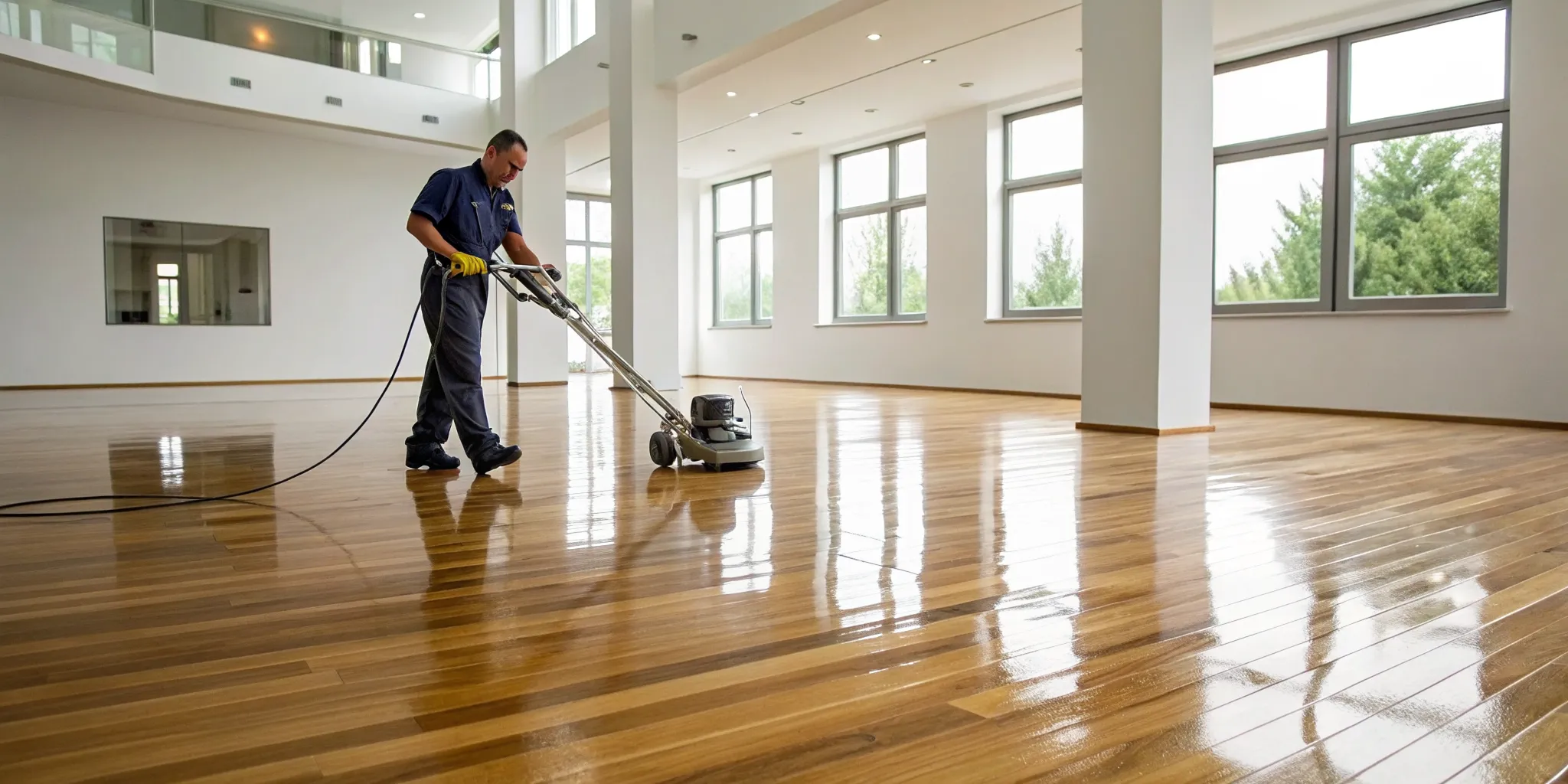
Maintaining your commercial property is about more than just appearances; it’s about protecting your investment. Your hardwood floors are a valuable asset, and keeping them in top condition is essential. When they start to look worn, polishing offers incredible value, restoring their beauty for a fraction of the cost of replacement. To make a smart decision for your facility, you need a clear understanding of the hardwood floor polishing cost. We’ll explore the pricing you can expect, compare it to the more intensive process of refinishing, and show you how this service is a strategic investment in your property’s long-term value.
Key Takeaways
- Budget for Key Polishing Variables: The final cost depends on more than just square footage; factors like wood type, the floor’s current condition, and your chosen finish play a significant role in the price.
- Know When to Polish Versus Refinish: Choose polishing to restore shine and fix light scuffs on otherwise healthy floors, but opt for the more intensive refinishing process to correct deep scratches, stains, and significant wear.
- Reduce Costs with Simple Prep and Proper Care: You can lower your quote by clearing furniture out of the room beforehand, and you can extend the life of your new polish with a consistent cleaning routine using the right products.
How Much Does It Cost to Polish Hardwood Floors?
When you’re looking to bring back the shine to your hardwood floors, one of the first questions that comes to mind is about the cost. The good news is that polishing is one of the more budget-friendly ways to refresh your floors, especially when compared to a full refinishing project. The final price tag depends on several key factors, from the size of your commercial space to the specific type of finish you choose. Let’s break down what you can expect to pay, starting with the industry standard: the cost per square foot.
Breaking Down the Cost Per Square Foot
On average, you can expect to pay between $3 and $8 per square foot for professional hardwood floor polishing. This price typically covers both the materials and the labor needed to get the job done right. For a larger commercial space, say around 1,000 square feet, this could translate to a total cost anywhere from $3,000 to $8,000. Keep in mind that this is a general estimate. The final quote for a hard floor cleaning service will also depend on the current condition of your floors and the specific treatments required to restore their luster.
How Location Affects Your Price in MD, DC, and VA
While national averages provide a helpful baseline, where your business is located plays a big role in determining the final cost. Prices for services can vary quite a bit from one city to another based on local market rates and the general cost of doing business. In the Maryland, D.C., and Virginia area, you might find that prices lean toward the higher end of the national average. This is common in major metropolitan regions where operational costs for skilled technicians are typically higher. It’s always best to get a quote from a local professional who understands the market and can give you a precise figure for your specific location.
What Factors Influence Polishing Costs?
When you request a quote for hardwood floor polishing, the final number isn’t pulled out of thin air. Several key factors come together to determine the total cost of bringing that shine back to your floors. Understanding these variables will help you budget accurately and see exactly where your money is going. The size of your facility is the most obvious starting point, but the type of wood, its current condition, and the specific finish you select also play significant roles.
Beyond the floor itself, logistical details can add to the final bill. Think about what it takes to prepare the space. Will the cleaning crew need to move heavy desks, conference tables, or other furniture? Is the layout a simple, open-concept office, or does it involve multiple small rooms, tight hallways, and staircases? Each of these elements affects the time and labor required for the job. By breaking down these components, you can get a much clearer picture of what to expect and ensure you’re getting a fair price for a professional hard floor cleaning service.
The Size of Your Space
The most significant factor in your polishing bill is the total square footage of the area being treated. Most professional cleaning companies price their services per square foot, which typically ranges from $3 to $8. For a standard project, you might see an average cost of around $1,800. However, this can vary widely. A small office reception area might only cost a few hundred dollars, while a large commercial space with extensive hardwood flooring could run up to $6,000 or more. Measuring your space beforehand will give you a solid foundation for understanding any quotes you receive.
Your Floor’s Type and Condition
Not all hardwood is created equal, and the type of wood in your facility directly impacts the cost. Softer, more common woods like oak or cherry are generally on the lower end of the pricing scale, usually falling between $3 and $5 per square foot. In contrast, harder woods like maple or mahogany require more specialized care and can cost between $6 and $8 per square foot. The floor’s current condition is also critical. If your floors have deep scratches, scuffs, or significant wear, they will need more prep work before polishing, which will increase the labor and overall price.
The Finish You Choose
The type of finish you select for your floors will also affect the final cost. If you’re looking to change the stain or color of the wood, you can expect to add an extra $1 to $3 per square foot to the bill. The finish itself also comes at different price points. Oil-based polyurethane is often the more budget-friendly option, costing between $20 and $50 per gallon, but it takes much longer to dry. Water-based polyurethane is a bit pricier at $30 to $55 per gallon, but it dries faster, allowing you to get back to business sooner.
Moving Furniture and Site Access
Don’t forget to account for the logistics of the job. If the rooms are filled with furniture, most companies will charge an additional fee to move everything out of the way and put it back once the job is done. This service typically costs between $20 and $50 per room. The complexity of your space matters, too. A large, open room is much easier to work in than a layout with multiple small offices, narrow hallways, or stairs. These challenging areas require more detailed work and can increase the labor costs reflected in your final quote.
A Look at Floor Finishes and Their Costs
The finish you choose for your hardwood floors does more than just add shine; it’s a protective layer that dictates durability, appearance, and long-term maintenance needs. When you’re budgeting for a professional polish, the type of finish is a major factor in the final price. It’s not just about the cost per gallon, but also about how that choice impacts your business operations, from downtime during application to the frequency of future upkeep. For a commercial space, these considerations are just as important as the aesthetic result. A finish that looks great but can’t handle heavy foot traffic will end up costing you more in the long run.
Understanding the key differences between the most common options helps you make an informed decision that protects your investment and keeps your space looking professional. Whether you prioritize a quick return to business, maximum durability for a high-traffic lobby, or a specific visual style, there’s a finish that fits your needs. Let’s break down the pros, cons, and cost considerations for the top contenders: water-based polyurethane, oil-based polyurethane, and traditional wax sealers. Each has a distinct profile that makes it better suited for certain environments and business priorities.
Water-Based Polyurethane
Water-based polyurethane is a top choice for businesses that need to minimize downtime. This modern finish dries in a matter of hours, has a very low odor, and provides a clear, non-yellowing coat that preserves the natural color of the wood. Because it cures so quickly, you can often get back on your floors the next day, which is a huge advantage for a busy office, retail store, or medical facility. While it tends to be more expensive per gallon than its oil-based counterpart, the quick turnaround time can save you money by getting your business back to normal operations faster.
Oil-Based Polyurethane
If durability is your main concern, oil-based polyurethane is a fantastic, time-tested option. Known for its tough, long-lasting protection, this finish is ideal for high-traffic commercial areas like hallways, lobbies, and conference rooms. It imparts a warm, amber glow that deepens over time, enhancing the wood’s natural richness. The trade-off is a much longer drying and curing period, often taking several days, accompanied by strong fumes that require proper ventilation. While generally more affordable upfront, you’ll need to account for the extended time your space will be out of commission when planning your project.
Wax and Penetrating Sealers
For a more traditional, low-sheen look, wax and penetrating sealers are a classic choice. These finishes soak into the wood to protect it from within, creating a natural-looking barrier that is easy to spot-repair if a scratch occurs. However, they offer less resistance to spills and scuffs compared to polyurethane and require more frequent maintenance to keep them looking their best. It’s important to understand that a waxed floor has different care requirements and cannot simply be polished like a polyurethane-coated floor. This type of finish needs to be periodically stripped and reapplied, which can add to long-term labor costs for a commercial property.
Polishing vs. Refinishing: What’s the Cost Difference?
When your facility’s hardwood floors start looking a little tired, you have two main options: polishing or refinishing. While they might sound similar, they are very different processes with very different price points. Think of polishing as a facial for your floors; it’s a surface-level treatment that restores shine and removes minor scuffs. Refinishing, on the other hand, is a full-blown makeover that involves sanding the wood down to its raw state and applying a brand-new finish.
Making the right choice comes down to the condition of your floors and your budget. A simple polish might be all you need to revive a reception area, while a heavily worn-down conference room floor might require the more intensive work of a full refinish. Understanding the cost and purpose of each will help you make the best decision for your space. Let’s break down what you can expect to pay for each service and how to decide which one is right for your business.
A Side-by-Side Price Comparison
The most significant difference between these two services is the price tag. Polishing, or buffing, is the more affordable option, typically costing between $1 and $2.50 per square foot. It’s a quicker process that cleans the surface and applies a new coat of finish to fill in microscopic scratches and restore luster.
Refinishing is a much more labor-intensive job, which is reflected in its cost. According to recent estimates, you can expect to pay anywhere from $3 to $8 per square foot for a full refinish. This process involves sanding off the entire top layer of the existing finish to expose the bare wood. After sanding, a new stain and several coats of protective finish are applied. The higher price covers the extensive labor, specialized equipment, and materials needed for a complete restoration.
When to Choose Polishing
Polishing is your best bet when your hardwood floors are in generally good shape but have lost their shine due to daily foot traffic. If you’re dealing with light surface scratches, scuffs, and a dull appearance but no deep gouges or widespread damage, a professional polish is the perfect solution. It’s an excellent maintenance step that can extend the life of your current finish.
Opting for a polish can save you considerable time and money, especially if you’re just looking for a quick refresh. At around $1 to $2 per square foot, it’s a budget-friendly way to make your floors look clean and new again without the disruption of a full refinishing project. Think of it as a routine touch-up to keep your commercial space looking its best.
Thinking About Long-Term Value
While polishing is great for maintenance, refinishing offers incredible long-term value when your floors have significant wear and tear. If you’re facing deep scratches, stains, or areas where the finish has completely worn away, refinishing is the more effective solution. It essentially gives you a brand-new floor without the cost of a full replacement.
In fact, a professional refinish can save you 50% to 75% compared to the expense and hassle of tearing out and installing new hardwood. It’s also a more sustainable choice, as it preserves the original wood. By investing in a proper hard floor cleaning service, you’re not just fixing a problem; you’re making a smart financial decision that protects your property’s value for years to come.
Should You Hire a Pro or DIY?
Deciding whether to polish your hardwood floors yourself or hire a professional team comes down to balancing your budget, time, and desired results. For a business, the stakes are a bit higher. Your floors are part of your professional image, and any downtime for a DIY project is time you’re not focused on your operations. While tackling the job yourself can seem like a great way to save money upfront, it’s important to weigh the potential risks and hidden costs.
Hiring a professional service means you’re paying for more than just labor. You’re investing in expertise, specialized equipment, and the peace of mind that comes with a guaranteed, high-quality result. A pro can assess your floor’s specific needs, choose the right products, and complete the job efficiently, minimizing disruption to your business. On the other hand, the DIY route requires a significant investment of your own time, a lot of physical effort, and a willingness to learn on the job. A small mistake could lead to visible imperfections or even damage that costs more to fix than hiring a professional from the start.
The Cost of Professional Service
When you hire a professional, you can generally expect to pay between $3 and $8 per square foot for refinishing, which includes polishing. For a typical 1,000-square-foot commercial space, this could mean a total cost of $3,000 to $8,000. This price covers everything: the team’s expertise, commercial-grade equipment, high-quality materials, and labor. Think of it as an investment in your property. Professional hard floor cleaning services not only restore the look of your floors but also protect them from long-term wear and tear, saving you from more expensive replacement costs down the line. You get a flawless finish without lifting a finger.
The Cost of a DIY Project
At first glance, the DIY approach is much easier on the wallet. You might spend around $250 on materials to polish a 450-square-foot area, plus another $75 per day for tool rentals like a buffer. While the initial savings are tempting, the true cost is in your time and the risk involved. Polishing floors correctly requires patience and skill. There’s a real chance of making mistakes, like leaving swirl marks, applying the finish unevenly, or even damaging the wood. For a business owner, the time spent on this project is time away from running your company, which has its own financial implications.
Hidden Costs That Can Surprise You
Whether you go pro or DIY, hidden costs can pop up. The biggest risk with a DIY project is making a mistake that requires a professional to fix. For example, using the wrong grit sequence when sanding or applying a finish improperly can create an uneven surface that’s costly to correct. Even something as simple as using the wrong cleaner can strip the finish and damage the wood, leading to an expensive repair. A professional team knows how to avoid these pitfalls. They use the right products and techniques for your specific floor type, preventing the kind of damage that leads to unexpected bills and ensuring your floors look their best for years to come.
What Do Professional Polishing Services Include?
When you invest in professional floor polishing, you’re paying for more than just a coat of polish. The price reflects a comprehensive service designed to protect and beautify your hardwood floors for the long haul. A professional team handles every step of the process, from meticulous preparation to the final buff, ensuring a flawless finish that a DIY job often can’t match. Understanding what’s included in the service helps you see the full value behind the quote. It’s a package deal that covers specialized labor, high-quality materials, and the use of professional-grade equipment, all of which contribute to a durable, impressive result. Let’s break down exactly what you get when you hire the pros.
Surface Prep and Cleaning
You can’t get a great finish without a perfectly clean slate. The first and most critical step a professional service takes is preparing the floor. This goes far beyond a simple sweep and mop. Technicians perform a deep, thorough cleaning to remove every trace of dust, dirt, grime, and old, sticky residue. Hardwood floors are protected by a finish layer, and this intensive cleaning is vital to preserving it. Any debris left on the surface can get trapped under the new polish, resulting in a gritty, uneven, and cloudy finish. A professional hard floor cleaning service ensures the polish adheres correctly and looks crystal clear.
Application and Labor
Once the floor is pristine, the skilled application begins. The cost of labor is often the largest part of your bill, and for good reason. This fee covers the expertise and time of trained technicians who know how to apply polish for a smooth, consistent sheen. They use specialized applicators and techniques to work the polish into the floor without leaving behind streaks, bubbles, or missed spots. This process requires a steady hand and an eye for detail, as the team works methodically across your space to ensure every square foot is perfectly coated. It’s this professional touch that creates that seamless, mirror-like shine.
Quality of Equipment and Materials
Professionals come equipped with tools and products that are a cut above what you’ll find at your local hardware store. The service cost includes the use of commercial-grade polish and finishing products, which are formulated for superior durability and a more attractive appearance. Professionals will select the best finish available to give your floor the exact look you want to achieve. They also use industrial-strength equipment, like high-speed buffers, that work faster and more effectively than consumer-grade models. This combination of premium materials and powerful machinery is key to achieving a professional-quality result that lasts.
Avoid These Common, Costly Mistakes
Polishing your hardwood floors can bring back their original warmth and shine, but a few simple missteps can turn a simple maintenance task into a costly repair job. Protecting your investment means knowing what not to do. Let’s walk through some of the most common mistakes we see and how you can avoid them to keep your floors looking their best for years to come.
Using the Wrong Products
It’s tempting to grab an all-purpose cleaner from the supply closet, but this is one of the fastest ways to damage your hardwood floors. Many general household cleaners contain harsh chemicals like ammonia or vinegar, which can strip the protective finish, dull the surface, and even discolor the wood over time. Using the wrong product can leave behind a hazy residue that’s difficult to remove.
Always opt for a pH-neutral cleaner specifically formulated for hardwood floors. These gentle solutions effectively clean without compromising the integrity of the finish. For businesses, ensuring your cleaning team understands this distinction is critical. A professional hard floor cleaning service will always use the correct, high-quality products tailored to your specific flooring type, eliminating any guesswork and risk.
Improper Application and Over-Polishing
When it comes to floor polish, more is definitely not better. A common mistake is applying too much product, thinking it will create a higher shine. Instead, over-polishing leads to a thick, sticky buildup on the floor’s surface. This buildup not only looks dull and cloudy but also attracts dirt and scuffs, making your floors look worse than before. Removing this residue can be a labor-intensive process that may require stripping the floor completely.
The key is to apply a thin, even coat using the proper tools, like a microfiber applicator. This ensures the polish dries correctly and provides a durable, protective layer without creating buildup. Following the product’s application instructions carefully is essential for achieving that clean, professional sheen.
Ignoring Manufacturer Guidelines
Not all hardwood floors are created equal. The type of wood, the finish, and the age of your flooring all play a role in how it should be cared for. Many property managers inherit floors without knowing the specific finish, whether it’s oil-based polyurethane, water-based polyurethane, or a penetrating wax. Each of these finishes has unique cleaning and polishing requirements.
Before starting any work, it’s crucial to identify your floor’s finish and consult the manufacturer’s care guidelines if possible. Using a water-based polish on a waxed floor, for example, can create a cloudy mess. This is where professional expertise becomes invaluable. An experienced team can quickly identify the floor type and apply the correct maintenance procedures, preventing accidental damage and preserving the floor’s longevity.
How to Save Money on Hardwood Floor Polishing
Polishing your hardwood floors is a smart investment in your facility’s appearance and longevity. While professional service is worth every penny, there are several practical ways to manage the cost. A little planning can go a long way in making your budget work harder without sacrificing the quality of the results. By thinking ahead about timing, preparation, and long-term care, you can get that beautiful, durable shine for less. Here are a few key strategies to help you save.
Choose the Right Time
Believe it or not, when you schedule your floor polishing can impact the price. Many cleaning companies have peak seasons and slower periods. Booking your service during an off-peak time, like late winter after the holidays, might give you access to more competitive pricing or special offers. It’s also worth noting that labor and material costs can vary significantly depending on your location. While prices for floor care fluctuate across the MD, DC, and VA area, planning your project during a less busy time of year is a simple way to potentially reduce your overall expense and get your floors looking their best.
Prepare Your Space to Avoid Extra Fees
One of the easiest ways to cut down on costs is to handle the prep work yourself. Most professional cleaning services charge extra for tasks like moving heavy furniture, filing cabinets, or other equipment out of the way. These fees can add a significant amount to your final bill, sometimes a few hundred dollars. Before the cleaning crew arrives, make sure the area is completely clear. This simple step saves the technicians time and saves you money on labor charges. A clear space allows the team to get straight to work on your hard floor cleaning, ensuring a more efficient and cost-effective project.
Maintain Your Floors to Extend Polish Life
The best way to save money on floor polishing is to need it less often. A consistent, professional cleaning schedule is your first line of defense. Regular maintenance removes the abrasive dirt and grit that can scratch and dull your floor’s finish over time. By investing in routine commercial cleaning services, you protect the polish, extend its life, and push back the need for more intensive and expensive treatments like refinishing. This proactive approach not only keeps your floors looking consistently great but also offers significant long-term savings.
How to Get an Accurate Quote for Your Project
Getting a clear and accurate quote is the first step toward revitalizing your hardwood floors. To make a confident decision, I recommend gathering estimates from a few different professional companies. This lets you compare not just the price but also the scope of work and the level of service offered. A trustworthy contractor will be happy to walk you through their process and provide a detailed breakdown of costs, ensuring there are no surprises down the line.
Key Questions to Ask Contractors
When you connect with a potential contractor, having a list of questions ready can make all the difference. Start by asking for a detailed price that is specific to your floors and business needs. Be sure to clarify what the estimate includes, from surface preparation and cleaning to the final polish and cleanup. You should also ask about the types of products and equipment they use, their insurance and bonding status, and if they can provide references. A clear understanding of their hard floor cleaning service ensures you know exactly what you’re paying for.
How to Read Different Pricing Models
Quotes can vary from one company to the next, but a professional estimate should always be transparent. Look for a clear breakdown that details the cost of labor and materials. The price is often influenced by your location, the type of wood, and the current condition of your floors. A good quote will specify the cost per square foot and list any additional charges, such as moving furniture or addressing significant wear and tear. Be wary of a single lump-sum price with no details, as it can hide unexpected fees.
Spotting Red Flags in an Estimate
A professional estimate should give you confidence, not confusion. One of the biggest red flags is a quote that is extremely vague. Make sure you and your contractor agree on exactly what work and materials are covered in their price to avoid misunderstandings later. While an unusually high price can be a concern, an extremely low bid can signal cut corners or subpar materials. Also, be cautious of any high-pressure sales tactics urging you to sign immediately. A reputable company will give you the time and information you need to make the right choice for your business.
Related Articles
- How to properly take care of Commercial Floors | Foreman Pro Cleaning
- Hire a Pro Cleaner to Strip and Wax Your Floor | Foreman Pro
- Commercial Floor Cleaning | Hard Floor Cleaning Services
Frequently Asked Questions
How often should I have my commercial hardwood floors polished? The ideal frequency really depends on the amount of foot traffic your space gets. A busy lobby or retail storefront might benefit from a professional polish once a year to keep it looking sharp. For a quieter area, like a private office or conference room, you might only need the service every few years. The best rule of thumb is to schedule a polish when you notice the finish is starting to look dull, but before you see significant surface scratches.
Will polishing fix deep scratches or water damage? Polishing is a surface-level treatment designed to restore shine and fill in microscopic scuffs. It works wonders on floors that are dull but otherwise in good condition. However, it will not remove deep gouges, significant stains, or damage caused by water. For more serious issues like these, you would need to consider a full refinishing, which involves sanding the wood down to a fresh layer.
How long will my business be disrupted during the polishing process? A professional team works efficiently to minimize any interruption to your operations. The total time depends on the size of your space and the type of finish you choose. A project using a water-based polyurethane finish can often be completed quickly, allowing you to walk on the floors the very next day. An oil-based finish provides excellent durability but requires a longer curing period, which means the area will be off-limits for a few days.
Is polishing the same thing as screening or buffing? Yes, in the professional flooring world, these terms are often used to describe the same service. The process is sometimes called a “screen and recoat.” It involves using a machine with a fine-grit screen to lightly abrade the top layer of the existing finish. This step creates a smooth, clean surface that allows the new coat of polish to adhere properly, resulting in that beautiful, even shine after buffing.
Can any type of hardwood floor be polished? Most modern hardwood floors that have a surface sealant, like oil-based or water-based polyurethane, are perfect candidates for polishing. However, floors with a penetrating finish, such as traditional wax or certain hardwax oils, cannot be polished in the same way. Applying a polyurethane polish over a waxed floor can create a cloudy, sticky mess. An experienced professional can easily identify your floor’s finish and recommend the correct procedure.
