
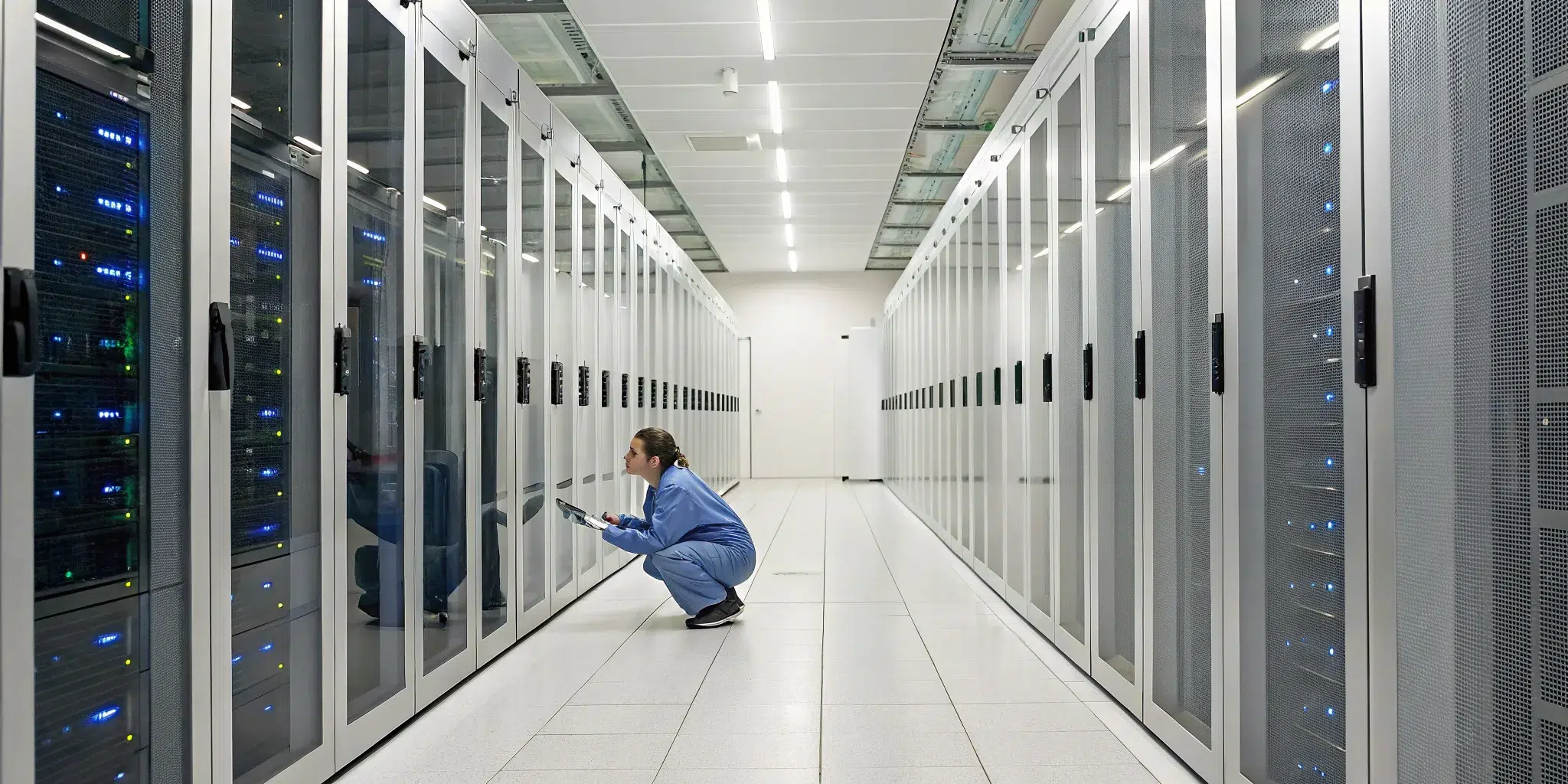
It’s easy to assume that if a data center looks clean on the surface, everything is fine. However, the real danger lies in the microscopic particles that accumulate in your sub-floor plenum, within server racks, and inside your HVAC system. These contaminants can cause electrostatic discharge, block critical airflow, and create a perfect storm for equipment failure. Unlike general office cleaning, professional data center cleaning services use specific protocols, anti-static equipment, and HEPA-filtered vacuums to safely remove these threats without disrupting your operations. Let’s explore what this meticulous process involves and why it’s a non-negotiable part of modern infrastructure management.
Key Takeaways
- Think of cleaning as preventative maintenance: This isn’t about making the room look good; it’s about protecting your hardware from overheating, preventing expensive downtime, and improving the energy efficiency of your cooling systems.
- Hire specialists, not general janitors: A data center requires specific protocols and tools, like anti-static solutions and HEPA vacuums, to clean sensitive equipment safely. Using a standard cleaning crew risks permanent damage to your critical infrastructure.
- Establish a custom schedule with a qualified partner: Your cleaning frequency should be based on factors like foot traffic and equipment density, not a generic calendar. Vet potential providers by verifying their experience in critical environments and asking about their adherence to industry standards.
What is Data Center Cleaning and Why is it Essential?
When you think of cleaning, you might picture mops and spray bottles. But when it comes to your data center, the stakes are much higher. Data center cleaning is a highly specialized service designed to remove dust, debris, and static that can cripple your sensitive IT equipment. It’s not about making the room look tidy; it’s about protecting your most critical assets from microscopic threats that can lead to overheating, data loss, and costly downtime.
Unlike standard janitorial work, professional data center cleaning involves specific protocols, anti-static equipment, and HEPA-filtered vacuums to safely clean servers, racks, and sub-floor plenums without disrupting operations. Think of it as preventative maintenance for your facility’s central nervous system. A consistently clean environment ensures your hardware runs efficiently, your cooling systems perform optimally, and your business stays online. It’s an essential investment in the reliability and longevity of your entire IT infrastructure.
Why Your Data Center Needs Specialized Cleaning
Putting your data center in the hands of a regular janitorial crew is a significant risk. They simply don’t have the training or equipment to work in such a sensitive space. A single mistake, like using the wrong cleaning solution or creating static electricity, can cause irreversible damage to your servers. Specialized technicians understand the unique challenges of a critical environment. They are trained to work around active equipment, follow strict contamination control procedures, and use tools specifically designed to be safe for electronics. This expertise ensures that every surface, from server cabinets to the sub-floor, is cleaned meticulously without compromising your operations.
Protect Your Equipment and Maximize Uptime
A clean data center is a reliable data center. Dust and other airborne particles are more than just an eyesore; they are a direct threat to your hardware. When contaminants accumulate on and inside your equipment, they act as an insulator, trapping heat and forcing cooling fans to work overtime. This can lead to overheating, component failure, and even fire hazards. Regular, professional cleaning helps you maintain optimal airflow and prevent the buildup that causes these issues. By keeping your equipment cool and free of debris, you significantly reduce the risk of unexpected downtime, ensuring your operations run smoothly and your business remains productive.
Improve Energy Efficiency and Save Money
Did you know that a clean data center can actually lower your operational costs? When dust clogs air intakes and heat sinks, your cooling systems have to work much harder to maintain the right temperature. This increased workload consumes a tremendous amount of energy, driving up your utility bills. A professional cleaning service helps your HVAC systems operate at peak efficiency. By ensuring unobstructed airflow, you can reduce energy consumption and prevent the strain that leads to premature system failure. This proactive approach not only saves you money on monthly energy costs but also helps you avoid the high price of emergency repairs and equipment replacement.
What’s Included in a Professional Data Center Cleaning?
A professional data center cleaning service is much more than a simple surface wipe-down. It’s a meticulous, multi-step process designed to protect your most valuable assets from the microscopic threats of dust, debris, and static electricity. Unlike standard janitorial services, which can introduce contaminants and risks, a specialized team uses specific protocols and equipment to ensure your critical environment remains pristine and fully operational. From the space beneath your raised floors to the air circulating through your servers, every detail is handled with precision. This comprehensive approach addresses potential issues before they can cause downtime, ensuring your facility runs smoothly and efficiently.
Cleaning Equipment and Hardware
The tools of the trade for data center cleaning are highly specialized. Professionals use HEPA (High-Efficiency Particulate Air) filtered vacuums that capture particles as small as 0.3 microns, preventing them from being recirculated into the air. Lint-free microfiber cloths are used to wipe down servers, racks, and cables without leaving behind any residue. The cleaning solutions themselves are just as important; they are non-conductive, anti-static, and residue-free, often formulated to evaporate quickly to protect sensitive electronics. This careful selection of equipment is a core part of any critical environment cleaning plan, ensuring that the cleaning process removes threats instead of creating new ones.
Servicing Raised Floors and Surfaces
Much of a data center’s contamination hides out of sight. A key component of a thorough cleaning is servicing the subfloor plenum beneath the raised flooring. This area is a magnet for dust and debris, which can be circulated by the cooling system. Professionals perform detailed raised floor cleaning by removing tiles in small, manageable sections to minimize any risk to your operations. They clean the subfloor, pedestals, and the tiles themselves before securely replacing them. On the surface level, technicians meticulously clean server cabinets, racks, containment units, and other hardware to remove any accumulated dust that could interfere with performance.
Maintaining Air Filtration and Ducts
Your data center’s HVAC system is its lifeline, and keeping it clean is essential for optimal performance. Over time, dust and contaminants can clog air filters and build up within ductwork, restricting airflow and forcing your cooling systems to work harder. This not only increases energy consumption but also raises the risk of overheating. Professional cleaning helps maintain the integrity of your air filtration systems, ensuring a steady flow of clean, cool air to your equipment. Regular cleanings help lower operational costs and significantly reduce the risk of damage to your sensitive electronic components, keeping your facility running at peak efficiency.
Preventing Contamination and Static Buildup
One of the biggest risks in a data center is electrostatic discharge (ESD), a tiny spark that can be catastrophic to sensitive microelectronics. Regular janitorial services are not trained or equipped to work inside these mission-critical environments, where a single mistake can cause irreversible damage. Professional technicians are trained to mitigate ESD risks by using anti-static cleaning solutions and proper grounding techniques. They follow strict protocols to prevent cross-contamination, ensuring that particles from one area aren’t tracked into another. This specialized approach is crucial for maintaining the integrity of environments like data centers and laboratories.
How Often Should You Clean Your Data Center?
Figuring out the right cleaning schedule for your data center isn’t a one-size-fits-all task. While industry standards provide a great starting point, the ideal frequency depends on your specific environment. Factors like the amount of foot traffic, the density of your equipment, and even the location of your building play a significant role. A consistent, professional cleaning routine is crucial for optimizing performance, reducing operational costs, and protecting your sensitive equipment from damage. Neglecting this critical maintenance can lead to a cascade of problems, from equipment overheating due to dust-clogged vents to increased fire risk from static buildup and combustible debris. The goal is to establish a proactive rhythm of cleaning that prevents contaminants from ever reaching a critical level. This involves more than just an occasional sweep; it requires a detailed plan that addresses everything from the sub-floor plenum to the tops of server racks. By creating a schedule that addresses both major deep cleans and regular maintenance, you can ensure your facility remains a stable and reliable environment for your critical operations. This approach not only safeguards your hardware investment but also improves energy efficiency, as clean systems run cooler and consume less power. A well-maintained data center is a resilient one, and it all starts with a cleaning schedule tailored to your unique operational needs.
Following Industry Cleaning Schedules
As a general rule, most data centers benefit from a professional deep cleaning at least once a year. However, industry best practices often recommend a more frequent schedule to keep contaminants at bay. Many experts suggest a certified, top-to-bottom data center cleaning every three to six months. This comprehensive service should address everything from subfloors and surfaces to individual pieces of equipment. A quarterly or semi-annual schedule helps prevent the slow buildup of dust and debris that can lead to overheating, short circuits, and eventual equipment failure. Adhering to a regular, professional cleaning plan is one of the most effective ways to maintain operational integrity and extend the life of your valuable hardware.
Environmental Factors That Affect Your Schedule
Your data center’s unique environment is a major factor in determining your cleaning frequency. For instance, a facility located near a construction zone or in an area with high pollen counts will require more frequent attention than one in a more isolated, controlled setting. The age and condition of your building, along with the efficiency of your HVAC and air filtration systems, also play a part. If your filtration system isn’t capturing microscopic particles effectively, you’ll need a more aggressive cleaning schedule to compensate. A professional team can assess these environmental variables to create a customized cleaning plan that addresses your specific contamination risks and keeps your facility pristine.
How Foot Traffic and Equipment Density Play a Role
The more people and equipment you have in your data center, the more often it will need to be cleaned. Every person who enters brings in dust, fibers, and other particles on their shoes and clothing. High-traffic areas, especially near entrances and exits, accumulate contaminants quickly. Similarly, a high density of server racks and hardware creates more surfaces for dust to settle on and can restrict proper airflow, causing equipment to run hotter and less efficiently. Regular raised floor cleaning and surface wipedowns are essential to manage the impact of foot traffic and prevent dust buildup from compromising your systems before issues can start.
Tips for Maintaining Cleanliness Between Professional Services
Keeping your data center clean is a continuous effort, not just a quarterly task. Between professional visits, your internal team can take simple steps to maintain a high standard of cleanliness. Implement a strict policy prohibiting food, drinks, and cardboard in the main data hall, as these items introduce unnecessary particles and pests. Place tacky mats at all entrances to capture dirt from shoes before it can be tracked inside. You can also perform daily spot checks and wipe down surfaces with approved, anti-static cleaning solutions. These small, consistent actions make a big difference in controlling dust and debris, ensuring your facility runs smoothly and supporting the work of your professional cleaning service.
The Risks of Neglecting Data Center Cleaning
Putting off a deep clean of your data center might seem like a way to save a little money, but it’s a gamble that rarely pays off. The dust and contaminants you can’t see are quietly creating risks that can lead to major operational and financial headaches. From equipment meltdowns to costly downtime, the consequences of neglect are serious. Let’s walk through exactly what’s at stake when regular, professional cleaning isn’t a priority.
Equipment Failure and Overheating
Think of dust and debris as a thick blanket smothering your servers. This buildup clogs air intakes, coats heat sinks, and insulates components that need to stay cool. When airflow is blocked, your cooling systems have to work overtime, driving up energy costs. More importantly, your equipment starts running hot. This constant thermal stress shortens the lifespan of sensitive electronics, leading to unexpected malfunctions and premature failure. A professional data center cleaning service removes these contaminants at their source, ensuring your hardware can breathe and operate at its optimal temperature, preventing costly breakdowns before they happen.
Fire Hazards and Safety Violations
It might seem small, but even a thin layer of dust can create a serious fire hazard. Many particles found in data center dust, like paper fibers and other debris, are flammable. When this material accumulates inside or around equipment that generates significant heat, it can easily ignite from a spark or high temperatures. This poses a direct threat to your facility and your staff. Beyond the immediate danger, a dirty environment can also lead to safety violations during an audit, resulting in fines and a mandate for immediate remediation. Regular cleaning is a fundamental part of your fire prevention strategy and helps ensure you remain compliant with safety regulations.
Data Loss and Operational Downtime
When a server overheats and fails, the most immediate impact is downtime. For any modern business, downtime translates directly into lost revenue, stalled productivity, and a damaged reputation with customers who depend on your services to be available. A single hardware failure can bring critical operations to a halt for hours or even days. In a worst-case scenario, a sudden shutdown caused by overheating or contamination can lead to data corruption or permanent data loss. Investing in routine critical environment cleaning is one of the most effective ways to protect your operational continuity and safeguard your most valuable digital assets from preventable disasters.
The Long-Term Financial Impact
The costs of skipping professional data center cleaning add up quickly, far exceeding the price of a maintenance plan. You’ll face higher energy bills from overworked HVAC systems struggling to cool a dirty room. Then come the steep costs of emergency repairs and replacing expensive hardware that failed prematurely. Add to that the massive financial losses incurred during any period of operational downtime. It becomes clear that neglecting cleanliness is a costly mistake. Viewing professional cleaning as a proactive investment rather than an expense protects your bottom line by optimizing performance, extending the life of your equipment, and minimizing the risk of a catastrophic, budget-breaking failure.
How to Choose the Right Data Center Cleaning Provider
Selecting the right cleaning partner for your data center isn’t like hiring a standard janitorial service. The stakes are incredibly high, and a single mistake can lead to significant downtime or equipment damage. You need a team that understands the unique challenges of a critical environment, from managing airflow to using the correct anti-static cleaning agents. A provider with the right training, experience, and flexibility will act as a true partner in protecting your most valuable assets. When you start your search, focus on providers who can demonstrate their expertise and offer services tailored specifically to your facility’s needs. Asking the right questions upfront will help you find a team you can trust to maintain your data center’s integrity and performance for years to come.
Look for Essential Certifications and Standards
When vetting potential cleaning providers, start by asking about their certifications. The gold standard for data centers is ISO 14644, which outlines the protocols for maintaining cleanliness in controlled environments. A company that trains its crews based on this standard demonstrates a serious commitment to quality and safety. This isn’t just a piece of paper; it’s your assurance that the team follows a rigorous, documented process for minimizing contaminants. A certification from a recognized body validates that the company has the expertise to protect your sensitive equipment. Don’t hesitate to ask for proof of their training and adherence to these critical industry benchmarks.
Verify Their Experience in Critical Environments
General janitorial services simply aren’t equipped to handle the complexities of a data center. You run several risks if you hire a cleaning service without specific training, as they may lack the knowledge of proper procedures, equipment, and cleaning solutions. An experienced critical environment cleaning team understands the risks of electrostatic discharge, the importance of subfloor plenum maintenance, and how to work around active equipment without disrupting operations. Ask potential providers for case studies or references from other data centers they service. A proven track record in mission-critical facilities is the best indicator that they can handle the responsibility of maintaining your site.
Ask About Custom Plans and Emergency Response
Your data center operates on a unique schedule, and your cleaning plan should reflect that. A quality provider will work with you to create a custom cleaning schedule that minimizes disruption, even if it means working nights or weekends. They should be flexible and willing to adapt to your operational needs. It’s also wise to inquire about their emergency response capabilities. What happens if there’s a spill, a fire suppression system discharge, or a construction event that introduces contaminants? A reliable partner will offer 24/7 emergency services to help you manage unexpected disasters and get your facility back to optimal condition quickly.
Avoid Common Misconceptions When Hiring
It’s easy to think of cleaning as a purely aesthetic task, but in a data center, it’s a core operational function. A clean data center isn’t just about appearances; it’s about performance. Regular professional cleanings help optimize airflow, lower operational costs, and reduce the risk of damage to your sensitive electronic equipment. Another common concern is the safety of using liquids around hardware. However, professional data center cleaning services use specialized, non-conductive, and residue-free solutions designed to evaporate quickly and safely. Understanding the true value of this service helps you see it not as an expense, but as an essential investment in your infrastructure’s health and longevity.
Related Articles
- How Often Should a Data Center Be Cleaned? | Complete Guide
- How Do I Reduce Dust In My Server Room | Foreman Pro Cleaning
- Data Center Cleaning Services Washington DC | Foreman Pro
Frequently Asked Questions
Why can’t my regular janitorial staff clean our data center? Your regular cleaning crew is great for offices and common areas, but a data center is a completely different world. It requires specialized training to avoid risks like electrostatic discharge, which can fry sensitive electronics. Professional technicians use specific tools, like HEPA-filtered vacuums and anti-static solutions, that are designed to be safe around your critical hardware. It’s less about tidiness and more about protecting your operational integrity.
Is it actually safe to clean around live, running equipment? Yes, when it’s done by a trained professional. Experienced data center cleaning teams follow strict protocols to work safely around active equipment without disrupting your operations. They understand how to manage airflow, use non-conductive cleaning agents that evaporate quickly, and ground themselves to prevent static discharge. The entire process is designed to be non-intrusive and to protect your hardware at all times.
How do I figure out the right cleaning schedule for my facility? While a deep clean every six months is a good starting point, your ideal schedule really depends on your specific environment. Consider factors like how much foot traffic you have, if there’s nearby construction, and how effective your air filtration system is. A professional provider can perform an assessment to help you create a custom plan that addresses your unique contamination risks, ensuring you get the right level of service without over or under-cleaning.
What are the biggest hidden costs of not cleaning our data center? The most significant costs are the ones that build up over time. When dust clogs your equipment, your cooling systems have to work much harder, which leads to higher energy bills. This constant strain also causes hardware to fail sooner, resulting in expensive emergency repairs and replacements. The biggest financial hit, however, comes from unexpected downtime, which can halt productivity and damage your business’s reputation.
What’s the single most important thing to ask a potential cleaning provider? Beyond asking for references, you should ask about their training and certifications, specifically regarding ISO 14644 standards. This standard sets the guidelines for cleaning controlled environments like data centers. A provider who trains their team to this standard demonstrates a deep commitment to safety and quality, giving you confidence that they understand the specific procedures needed to protect your critical infrastructure.
