
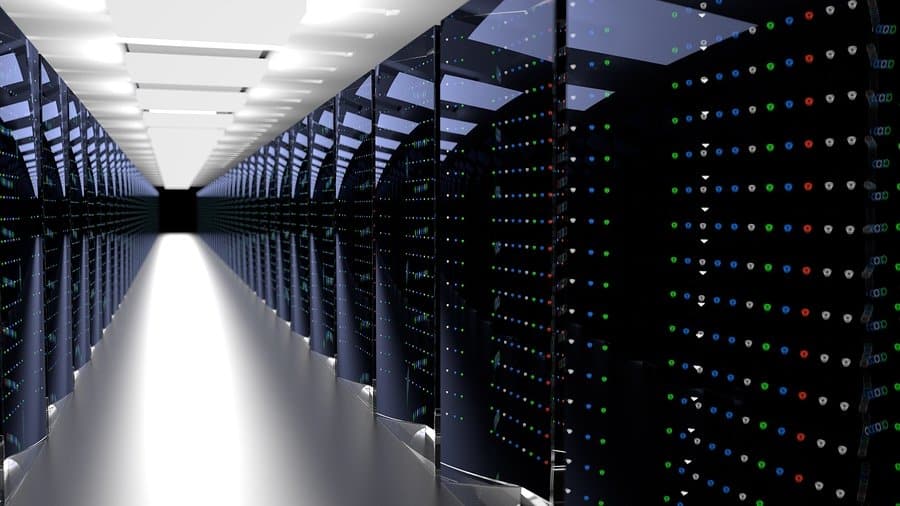
A server room does not need to look immaculate simply for appearances. It needs a controlled cleaning program because airborne dust, tracked-in debris, and contamination in hidden areas can affect the environment that supports critical equipment. Effective server room cleaning helps reduce contamination risk, supports airflow, and gives IT and facilities teams a clearer view of developing conditions.
This is not the same as routine office cleaning. Server rooms contain static-sensitive equipment, active cooling systems, cable pathways, and sometimes raised-floor plenums. Cleaning methods, tools, scope, and timing must account for those conditions. The five risks below explain why a clean server room is an operational requirement and when specialized support makes sense.
Why Server Room Cleaning Is an Operational Requirement
Servers and supporting systems operate continuously and move large volumes of air. As air circulates, particles can travel through the room, settle on surfaces, collect near vents and returns, or enter equipment. Foot traffic, cardboard packaging, nearby construction, ceiling spaces, and gaps around doors can all contribute to the contamination load.
A risk-led cleaning plan focuses on the room as a connected environment. It considers visible surfaces as well as floors, rack exteriors, cooling-unit surfaces, vents, returns, and accessible plenum areas. The right frequency and scope depend on the facility, operational requirements, flooring and plenum design, activity level, and the types and sources of contamination present.
That approach also makes the cleaning program easier to manage over time. A documented baseline helps teams understand where particulate tends to collect, which areas need specialized access, and whether changes in construction, occupancy, or equipment activity have altered the room’s needs. The scope can then be adjusted using observations from the actual environment rather than assumptions.
1. Dust Can Restrict Airflow and Increase Cooling Strain
Server equipment relies on consistent airflow to move heat away from internal components. When dust gathers near air intakes, perforated floor tiles, vents, or cooling returns, it can interfere with the pathways designed to move conditioned air through the room.
Cleaning cannot replace equipment maintenance or a properly designed cooling system. However, controlling loose particulate can support efficient airflow and help prevent avoidable contamination from adding strain to the environment. A professional assessment can identify areas where dust is accumulating and define a cleaning scope that complements the facility’s existing maintenance program.
2. Contamination Can Shorten Equipment Life
Fine particulate does not always remain on floors or other easy-to-see surfaces. Air movement can carry dust toward racks, cabinets, and equipment openings. Over time, contamination can collect around components and make the operating environment harder to manage.
Routine server room cleaning helps reduce the amount of loose dust available to circulate. It also supports a more controlled workspace for technicians who need to inspect, maintain, or replace equipment. The goal is not to promise that cleaning will prevent failure. It is to reduce a manageable source of environmental risk and support equipment reliability as part of a broader critical-environment program.
Teams looking for a detailed overview of planning and safe methods can review Foreman Pro’s guide on how to clean a server room safely. A qualified provider should coordinate its work with the people responsible for the room rather than treating the space like a standard office.
3. Dirty Floors, Plenums, and Returns Can Recirculate Particles
The surface people see is only one part of the room. Dust can collect along floor edges, beneath equipment, around cable openings, near cooling-unit surfaces, and within accessible raised-floor or sub-floor areas. Air pressure and normal activity can then disturb those particles and return them to circulation.
This is especially important when a raised-floor plenum supports airflow or contains cable infrastructure. Foreman Pro provides HEPA vacuuming for raised floors and sub-floor plenums, as well as cleaning for CRAC surfaces, vents, and returns. The scope should be customized to the site so work around these areas supports operations without disrupting critical systems.
For more context on this specialized area, see Foreman Pro’s raised floor cleaning service. Facilities teams can also review practical ways to reduce dust in a server room between professional cleaning visits.
4. Improper Cleaning Can Introduce Static and New Contamination
Using an unsuitable vacuum, cloth, chemical, or cleaning technique can create new risks in a static-sensitive room. Tools that redistribute dust may move contamination rather than capture it. Conventional products can also leave residue, introduce moisture, or be inappropriate near sensitive equipment.
Qualified critical-environment cleaning accounts for these conditions before work starts. Foreman Pro documents static-safe protocols, HEPA-filtered vacuuming, advanced microfiber technology for racks and cabinets, and anti-static top-floor care. These methods are selected to help capture contamination while respecting the equipment and surfaces in the space.
5. Routine Cleaning Helps Teams Spot Facility Issues Earlier
A controlled cleaning visit creates an opportunity to observe the condition of accessible areas that may receive limited attention during normal operations. While cleaners are not a substitute for IT technicians, electricians, pest-control professionals, or HVAC specialists, a cleaner environment can make unusual debris, moisture, damaged surfaces, or other visible concerns easier for the appropriate team to notice and investigate.
This visibility is another reason to document the cleaning scope and coordinate it with facility stakeholders. When responsibilities are clear, observations can be routed to the people qualified to evaluate them. Routine cleaning then becomes one part of a disciplined operational program rather than an isolated cosmetic task.
Static-Safe Server Room Cleaning Considerations
Use Equipment and Methods Designed for Critical Environments
A critical environment requires tools and procedures selected for contamination control and static-sensitive conditions. Depending on the approved scope, this may include HEPA vacuuming of accessible raised-floor and sub-floor areas, advanced microfiber cleaning of rack and cabinet exteriors, anti-static floor care, and careful attention to CRAC surfaces, vents, and returns.
The plan should identify which surfaces are in scope, which areas require an IT escort or specialist, and which equipment must not be touched. It should also account for the facility’s contamination sources and operational restrictions. A provider’s critical-environment training and experience matter because the safest method depends on the room, not on a generic checklist.
Coordinate Scope and Timing With IT and Facilities Teams
Before work begins, IT, facilities, and the cleaning provider should agree on access, timing, boundaries, escalation contacts, and any change-control requirements. This coordination helps the cleaning team work around active systems and allows responsible personnel to address conditions discovered during the visit.
Foreman Pro’s leadership experience spans IT operations and facilities management, which supports planning across both groups. The resulting cleaning plan can be tailored to the environment instead of applying a universal schedule or one-size-fits-all scope.
Server Room Cleaning FAQ
How often should a server room be professionally cleaned?
There is no universal schedule. Frequency depends on the contamination load, flooring and plenum design, foot traffic, nearby activity, operational requirements, and findings from prior assessments. A provider should inspect the environment and recommend a plan based on those conditions.
Can a regular janitorial team clean a server room?
Routine janitorial teams may not have the training, equipment, or approved procedures needed for static-sensitive critical environments. Cleaning around server equipment, cooling systems, and raised floors should be performed under a defined scope by personnel trained for the work.
What areas should a server room cleaning assessment cover?
An assessment may consider accessible floors and sub-floor areas, rack and cabinet exteriors, cable pathways, CRAC surfaces, vents, returns, contamination sources, access restrictions, and coordination requirements. The final scope should reflect the site’s design and operational needs.
Protect Your Critical Environment With a Customized Cleaning Plan
Server room cleaning is most effective when it is planned around the facility’s risks, systems, and operating requirements. A customized program can help control dust, support airflow, reduce contamination risk, and give IT and facilities teams better visibility into the environment.
Foreman Pro Cleaning provides specialized data center cleaning services across Maryland, Washington D.C., and Virginia. To discuss your server room, operational requirements, and an appropriate scope, request a critical-environment cleaning assessment.
