
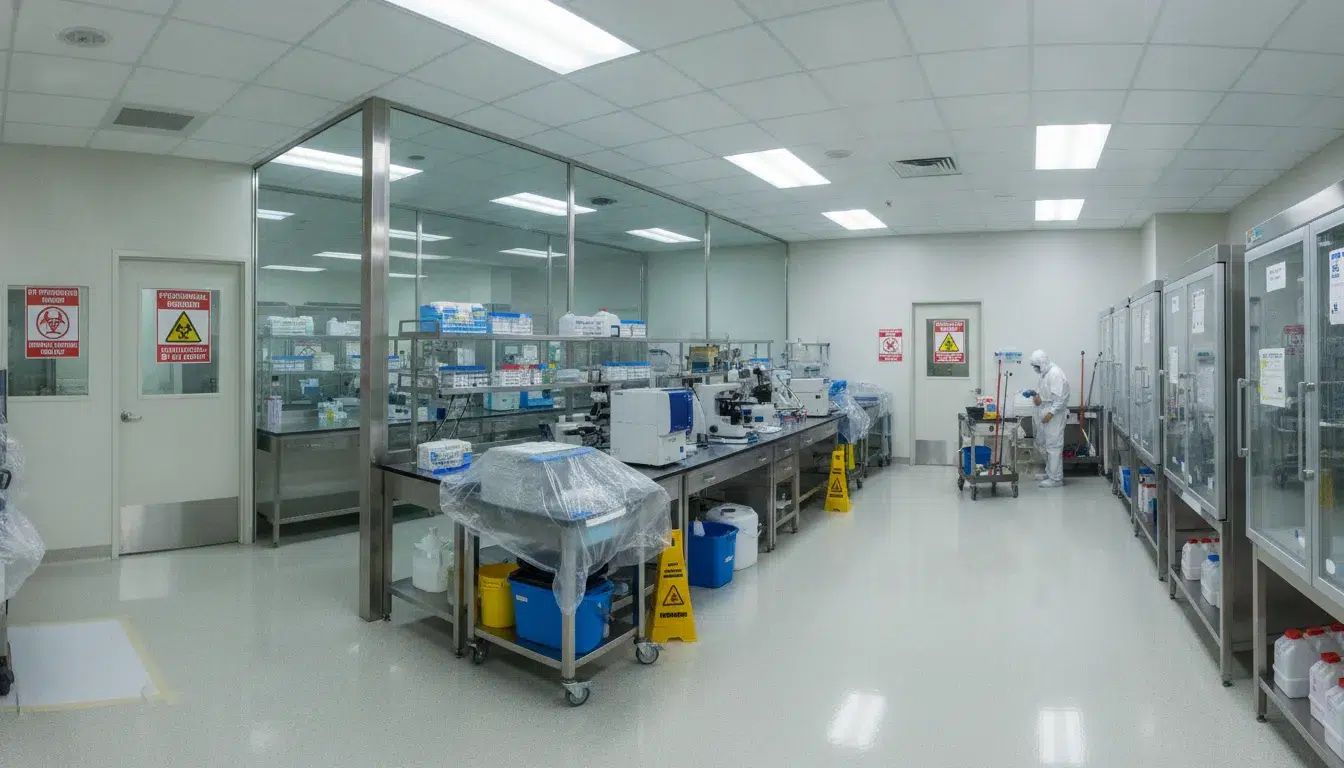
Professional lab cleaning fails if fragile samples and tools are not secured first. Our trained teams provide high-level decontamination, but your own staff must pave the way for success.
To prepare laboratory for professional cleaning, you must first secure all biological samples and toxic items in their set storage spots. Clear your workbenches of all loose items and label fragile machines that need special care or must remain untouched. You should also provide clear access to all floor areas and high-touch surfaces by removing items that are not needed from the workspace. According to Wayne State University, laboratory staff should also clean delicate surfaces like keypads and touchpads before the external crew begins. Taking these steps ensures that our cleaning experts can focus on deep decontamination without risking the safety of your research or the facility. This preparation reduces downtime, prevents cross-contamination, and helps you follow official safety rules.
Need a customized laboratory cleaning plan? Schedule a free commercial and critical laboratory cleaning consultation with Foreman Pro Cleaning today.
Getting your facility ready involves several critical steps that protect both your staff and your research. You might wonder why these extra efforts are necessary for a professional service. Understanding Why Preparing Your Laboratory Before Professional Cleaning Matters is the best way to ensure a safe and efficient outcome. The path begins with.
Prepare Laboratory For Professional Cleaning: Why Preparing Your Laboratory Before Professional Cleaning Matters
Expert cleaning for tech spaces is a joint effort between your team and the pros. When you prepare laboratory for professional cleaning, you set the stage for a safe and deep clean. This prep protects your costly tools and ensures that your research stays on track. Without a solid plan, even the best cleaning crew might face risks that could have been avoided with a few simple steps.
Protecting Your Research and Data
The main goal of any lab is to get accurate results. Dirt and germs can ruin weeks or months of hard work. By clearing your work areas and sealing samples, you help maintain a clean space. Proper cleaning is vital for keeping a safe research area where your team can work without worry. The National Institutes of Health states that the right cleaning steps stop germs and protect your data.
Delicate tools also need protection from dust and static. In places like server rooms or labs with high-tech sensors, small bits of dust can cause big problems. Foreman Pro Cleaning uses special tools like HEPA-filtered vacuums to catch these tiny bits of dirt. When you clear the floor and move loose papers, you allow these tools to reach every corner. This helps keep your tools running well and prevents costly downtime in your lab.
Ensuring Safety for Every Team Member
Safety is a top priority for both your staff and our cleaning teams. Before we arrive, your team should mark off any areas that are off-limits. This prevents anyone from touching harmful materials or entering zones that need special care. Securing your samples and data also keeps your work private and safe from moves. You can use a checklist for laboratory cleaning to make sure every safety step is followed before the crew walks in.
A well-prepared lab is also a safer place for cleaners to work. Moving trip hazards like loose cords or big boxes helps avoid accidents. When our team has clear paths, they can focus on using their skills to scrub and sanitize your space. This level of care is part of what makes our professional lab cleaning services stand out. We know how to work around your needs while keeping everyone safe and sound.
Reducing Errors and Cleaning Time
Prep helps the cleaning process go faster and smoother. When surfaces are clear, cleaners do not have to spend time moving your items. This means they can spend more time on the deep cleaning tasks that matter most. It also lowers the risk of breaking delicate glass or bumping into fine tools. Our teams bring years of experience to every job, but your help in the beginning makes the final result much better.
To prepare your lab, keep these points in mind:
- Seal all open samples and place them in safe storage units.
- Clear off bench tops to give cleaners full access to work surfaces.
- Turn off or cover delicate equipment that should not be touched.
- Post clear signs on doors or units that are strictly off-limits.
- Remove any clutter from the floors to provide a clear walking path.
Taking the time to get ready ensures a thorough clean that meets high standards. It builds a partnership based on trust and safety. This way, you can get back to your research quickly with full peace of mind. Our team is ready to help you maintain a space that is both clean and follows the latest rules.
Step 1: Coordinate Schedules and Establish Restricted Zones
To prepare laboratory for professional cleaning, you must first plan your timing. Most labs run on very tight schedules. Some tests take days or weeks to finish. You should share your team’s work hours with your cleaning group.
This helps them find the best time to enter the lab. Working when staff is not there is the best way to keep your lab and your data safe. A good plan starts with a talk about your lab’s daily tasks. Expert teams like Foreman Pro Cleaning work around your busy times.
Matching cleaning with lab tasks
We find the gaps where our work will not slow you down. This helps to stop any bumps or spills that could ruin your work. Setting a clear time for cleaning is a key part of a safe lab plan for any research site.
When you match these tasks, you also lower the risk of germs spread. Cleaners can focus on floors and common spots while you focus on science. We use our own set of rules to make sure we stay out of your way. This helps your lab stay clean without any loss of work time.
Marking off-limit zones
Not every spot in your lab is meant for a deep clean. You must pick and mark the spots that are closed to outside staff. Using a clear list of off-limit spots helps your team stay safe. These spots often include:
- Bio-safety hoods and vents.
- Cold storage rooms or deep freezers.
- Open toxic or sample racks.
- Fragile glass tools or sensors.
This is a big step in our laboratory cleaning services to keep your work safe. Clear labels keep our staff safe and your research sound. Some areas may have toxic risks that need extra care. You should point these out during the first walk-through of the site.
Telling our team about these spots helps them use the right tools nearby. We train our crew to respect every sign and wall we see. This clear line protects your costly gear from any harm during the cleaning process.
Keeping fragile research safe
Lines do more than just stop large accidents. They also help to keep your research data and samples safe and private. When you mark closed zones, you keep high-value areas out of reach. This builds trust between your staff and the cleaning team.
We value the trust you place in us to protect your space. Our teams know that a clean lab is only good if the work inside stays safe. Finally, tell the cleaning team about any light or heat needs. Even small changes in a room can affect a test.
By talking about these needs, you create a safer space for your whole team. This step ensures that every part of the lab gets the right care. It also makes the whole cleaning process much smoother for everyone involved.
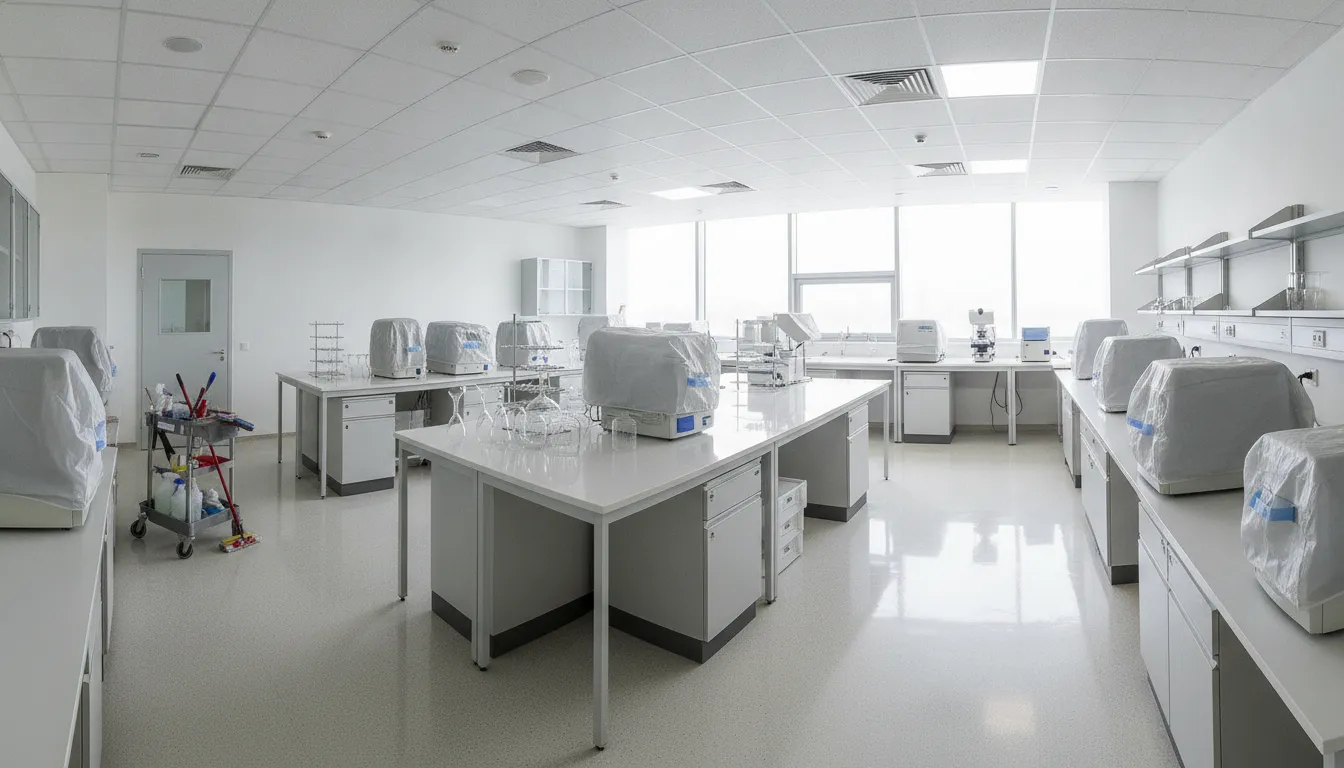
Step 2: How Do Professional Cleaning Services Handle Sensitive Lab Equipment?
When you prepare laboratory for professional cleaning, you must know how sensitive tools are kept safe. Professional cleaners and lab staff work as a team to protect delicate systems. While cleaners focus on floors and high-touch areas, your lab team stays in charge of the most sensitive parts of the facility.
Role of lab staff
Lab personnel must take the lead in securing the most delicate equipment. Before the cleaning crew arrives, staff should power down and cover any instruments that are not in use. You should secure all sensitive samples and data. This separation of duties ensures that only experts touch the most fragile research tools. This process is a key part of maintaining a safe research environment.
Safe tools for technical spaces
Foreman Pro Cleaning uses specialized tools built for technical spaces. We use HEPA-filtered vacuums to trap tiny particles that standard vacuums might release back into the air. This helps prevent contamination in your work zones. Our team also uses ESD-safe cleaning methods. These techniques stop static electricity from building up, which protects your electronic devices from damage. Using the right gear is vital for professional lab cleaning services in technical settings.
Cleaning high-touch zones
Our team focuses on the surfaces that people touch the most. This includes door handles, light switches, and the outer frames of equipment. We use EPA-approved cleaners to ensure a deep clean without harming your facility. We follow strict protocols to keep your lab in line with safety standards. By handling the general environment, we let your scientists focus on their work. This clear plan helps you keep a clean, safe, and productive laboratory space.
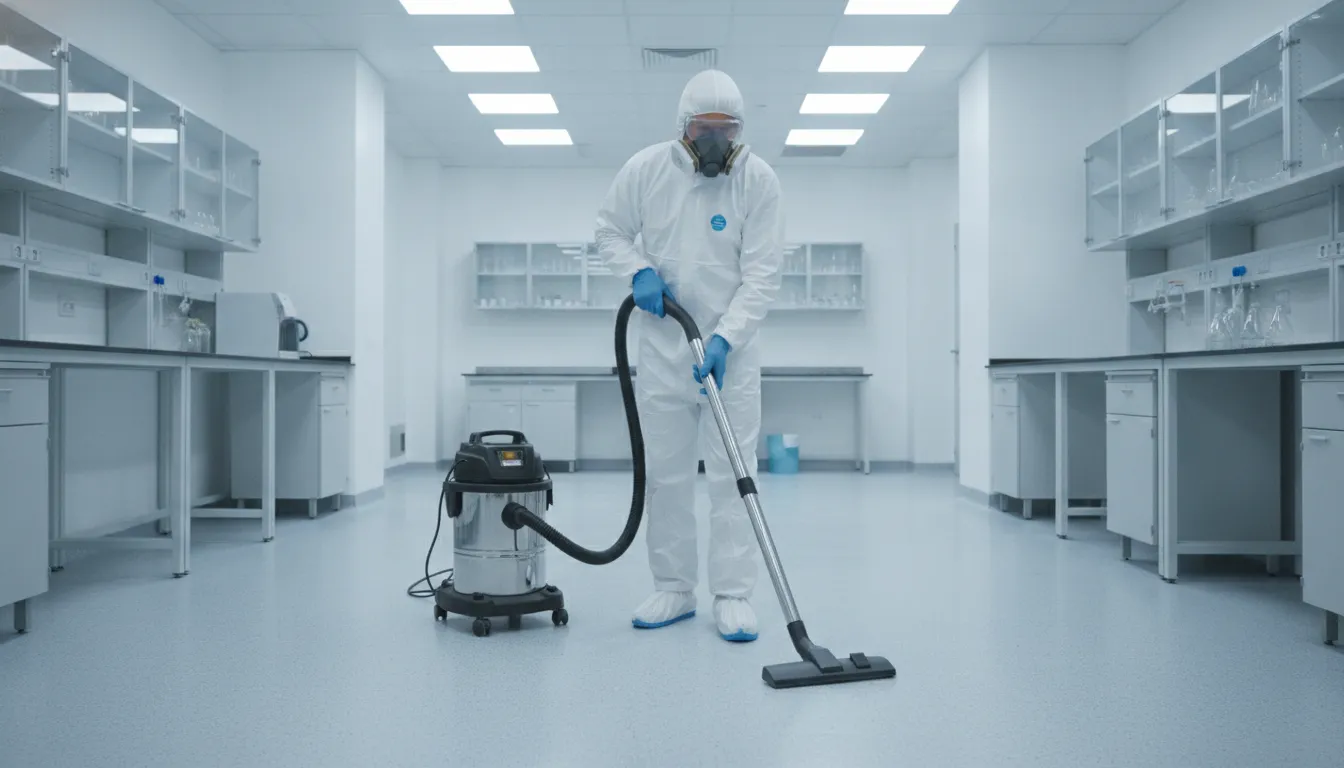
Step 3: Secure Critical Data, Samples, and Hazmat Communication
A big part of the plan to prepare laboratory for professional cleaning is to lock down your work. Your staff must protect research data and biological samples. Move all active work to a safe spot or a locked cabinet. This keeps your samples away from any contact while the tech team cleans the floors and high-touch spots.
Protect research and data
Cleaners need a clear path to do their job well. Before they get there, clear your desk of all loose files and hard drives. For labs, keeping gear safe from dust is a top goal. If you have sensitive gear, you may need critical environment cleaning tools like HEPA vacuums to keep the air clean. Good storage also helps you keep audit-ready files for ISO reviews.
Communicate site hazards
Safety is the first goal when cleaning a technical space. You must mark all hazardous areas with clear signs. Make sure that Safety Data Sheets are in a place where the team can see them. This helps the cleaning staff know what is in each room. If your lab has biohazards, tell the cleaning lead during the first walk-through. This helps them set a safe risk plan for the site.
Label and lock restricted zones
Some areas in your lab may be off-limits to outside staff. You should use tape or signs to mark these spots. Make sure to tell the cleaning team which rooms are for authorized people only. This stops them from going into areas where tests are in progress. Taking these steps helps the team finish their work without any risk to your research. Using a checklist for laboratory cleaning can help you track these tasks.
Step 4: Establish Proper Access and Security Protocols
Security is a big part of how you prepare laboratory for professional cleaning tasks. You must set clear rules for how cleaning teams enter and move through your site. This stops security gaps and keeps your research safe during cleaning hours. Start by setting up keycard access that only works for specific doors and times.
Control facility entry
Give cleaning crews their own keycards with limited rights. These cards should only open the doors needed for the work. You can also set these cards to work only during the fixed cleaning window. This keeps your lab safe after hours and ensures you know who is in the room. For some high-security spots, you may need a staff member to escort the crew. This person can watch the work and help with any local safety needs.
If you use third-party teams, check that they have the right training for your lab level. Skilled crews often have the tools to work in safety levels S1 to S3 without causing risks. You can find more about safety standards from the NIH. Proper entry rules help protect your tools and your data.
Use safety briefings
Before any work starts, hold a safety talk with the cleaning team. Show them the areas where they can and cannot go. Use signs to mark zones that have high risks or sensitive samples. Explain what to do if an alarm goes off or if a spill happens. These talks help the crew understand your lab’s unique layout and rules.
Managers should also keep validated documentation of every cleaning visit. This helps you meet FDA or ISO rules for your facility. Written records prove that only trained people entered the lab and followed your safety plan. Clear protocols build trust and keep your lab running well. If you need help with a plan, you can get a free consultation to see how we handle secure lab cleaning.
Essential Pre-Service Checklist for Laboratory Managers
A smooth cleaning job starts long before the crew steps into your site. When you prepare laboratory for professional cleaning, you help keep your research safe and your team on track. High-stakes rooms often need to follow strict rules to keep air and surfaces clear of dust. By setting the stage, you help the experts do their best work without risk to your gear or samples. This active approach ensures that your site remains in top shape for daily tasks.
Set a Clear Plan
You must first define the scope of the work to be done in your lab. A pre-cleaning walk through helps you find areas that need extra care or special tools. This step helps the team know which spots are off-limits and which need deep care. It is a key part of your plan to lower risk before any tech teams arrive on the scene. Using professional lab cleaning services gives you the technical skill needed for these special spaces. By mapping out the space, you avoid surprises during the cleaning process.
Safeguard Your Assets
Next, you must protect your assets to keep the high quality of your work. Lock away private data, hard drives, and private files before the crew arrives. You should also move or secure any rare samples that could be bumped during the process. Proper laboratory decontamination is vital for a safe workspace and helps you meet high safety levels. Make sure to label all waste and clear off your work benches to give the team room to work. This keeps the crew safe and ensures your research stays intact while they scrub the lab.
- Check all access points. Make sure the cleaning crew has the keys or badges they need to get into the lab areas.
- Label restricted zones. Use clear signs or tape to show which pieces of gear the team should not touch or move.
- Clear the floor space. Move carts, chairs, and bins so the pros can reach every corner and wall of the room.
- Secure fragile items. Place all beakers, vials, and slides in locked cabinets or safe storage racks to prevent breaks.
- Provide water and power. Ensure the team has access to sinks and wall plugs for their special HEPA vacuums.
- Review the safety brief. Meet with the crew to go over the site rules and the paths they should take in the lab.
Lastly, keep a record of the work to ensure you are always ready for an audit. Lab managers need to show that they follow all the rules for a clean and safe site. The right crew will give you the papers you need for a future check or test. You can also use a checklist for laboratory cleaning to track your progress each day. This helps you stay ready for any check that comes your way from local or state groups. Clear notes prove that your lab is safe, clean, and ready for your next big project.
What Cleaning Standards Should a Lab Cleaning Service Follow?
Research labs need much higher levels of care than typical offices. To prepare laboratory for professional cleaning, you must first know which rules your space needs. While standard janitorial work looks at the surface, lab cleaning focuses on safety and science. Expert teams follow strict rules to prevent cross-contamination and keep your data safe. These rules often include federal laws and global technical goals.
ISO and regulatory benchmarks
Many labs must meet ISO 14644 cleanroom standards to keep their status. These rules limit the number of tiny bits allowed in the air and on surfaces. Professional teams also follow biosafety levels from S1 to S3. These tell the staff how to handle specific risks. Using the right professional lab cleaning services ensures your facility stays in line with FDA and EPA laws. This level of care protects your research from outside germs.
Essential cleaning methods and tools
Safe lab cleaning needs tools that do not add to the risk. Teams use HEPA-filtered vacuums to trap tiny dust bits rather than blowing them back into the room. In rooms with sensitive tools, ESD-safe cleaning methods are vital to stop static shocks that could ruin hardware. Staff must also use EPA-registered cleaners and track the time the liquid stays on a surface to kill germs. These steps help keep a clean area for your most important work.
Standard vs lab cleaning standards
| Criteria. | Standard Commercial. | Critical Lab Environment. |
|---|---|---|
| Filtration. | Standard shop vacuums. | HEPA-certified filtration. |
| Chemicals. | General multi-purpose cleaners. | EPA-registered disinfectants. |
| Static Control. | No specific ESD protocols. | ESD-safe equipment and gear. |
| Compliance. | Basic health codes. | ISO 14644 and FDA standards. |
| Documentation. | None or basic logs. | Validated audit-ready records. |
Maintaining a safe lab needs regular care and proper laboratory decontamination. By choosing a team that knows these technical needs, you lower the risk of downtime. These standards ensure your facility stays a good place for new finds.
Ready to elevate your facility’s safety and cleaning standards? Request a free consultation with our laboratory cleaning specialists today.
Frequently Asked Questions
Should lab personnel disinfect surfaces before a professional cleaning service arrives?
Yes, staff should keep the lab clean every day to stay safe. According to Wayne State University, workers should wipe down all lab and office surfaces daily. Use a spray cleaner like Spartan Chemical BNC-15 for common areas. Use special wipes for touchpads and keypads. This habit keeps the space safe for both staff and the professional cleaning crew who will arrive later. It ensures the team can safely do deep cleaning work.
What personal protective equipment is needed during laboratory cleaning?
Cleaning teams must use the right gear to stay safe around chemicals and samples. Standard safety items often include nitrile gloves, lab coats, and safety goggles. Some rooms may also need masks or shoe covers to keep out dirt from the hall. The exact gear depends on the safety level of your lab. Teams like Foreman Pro Cleaning follow strict rules to match your lab needs and keep everyone safe.
How can laboratories maintain a clean environment between professional services?
Keeping a lab clean is a daily job for all staff members. Focus on high-touch areas such as door handles, sink faucets, and light switches. Research from RJC Enterprises shows that regular cleaning of these spots reduces the risk of germs. Clear away clutter from work benches so dust does not build up. Following a set plan for minor cleaning helps keep the lab safe until the next scheduled deep clean by professional experts.
Does laboratory cleaning documentation help with regulatory compliance?
Yes, keeping clear records is vital for meeting strict industry rules. Professional cleaners provide reports that show exactly when and how they cleaned the space. These reports are often needed for ISO or FDA audits. Having these papers ready helps lab managers prove they follow safe practices. Reliable records also help track work over time. This makes it easier to spot issues before they become big problems for your lab.
Ready to book a free critical environment consultation?
Waiting to prepare your lab for an expert clean can cause big problems like contamination or damage to your tools. These issues slow down your work and lead to costly downtime that you cannot afford when deadlines are tight. Starting your prep work now with a lab cleaning checklist helps our cleaners work faster and keeps your space safe. Acting now also helps you avoid the stress of last-minute fixes that can put your whole project at risk. By taking these steps today, you protect your costly assets and ensure your lab stays open for your important research.
Ready to book a free critical environment consultation? Call (888) 360-1608 to speak with our technical team and set up your visit today.
