
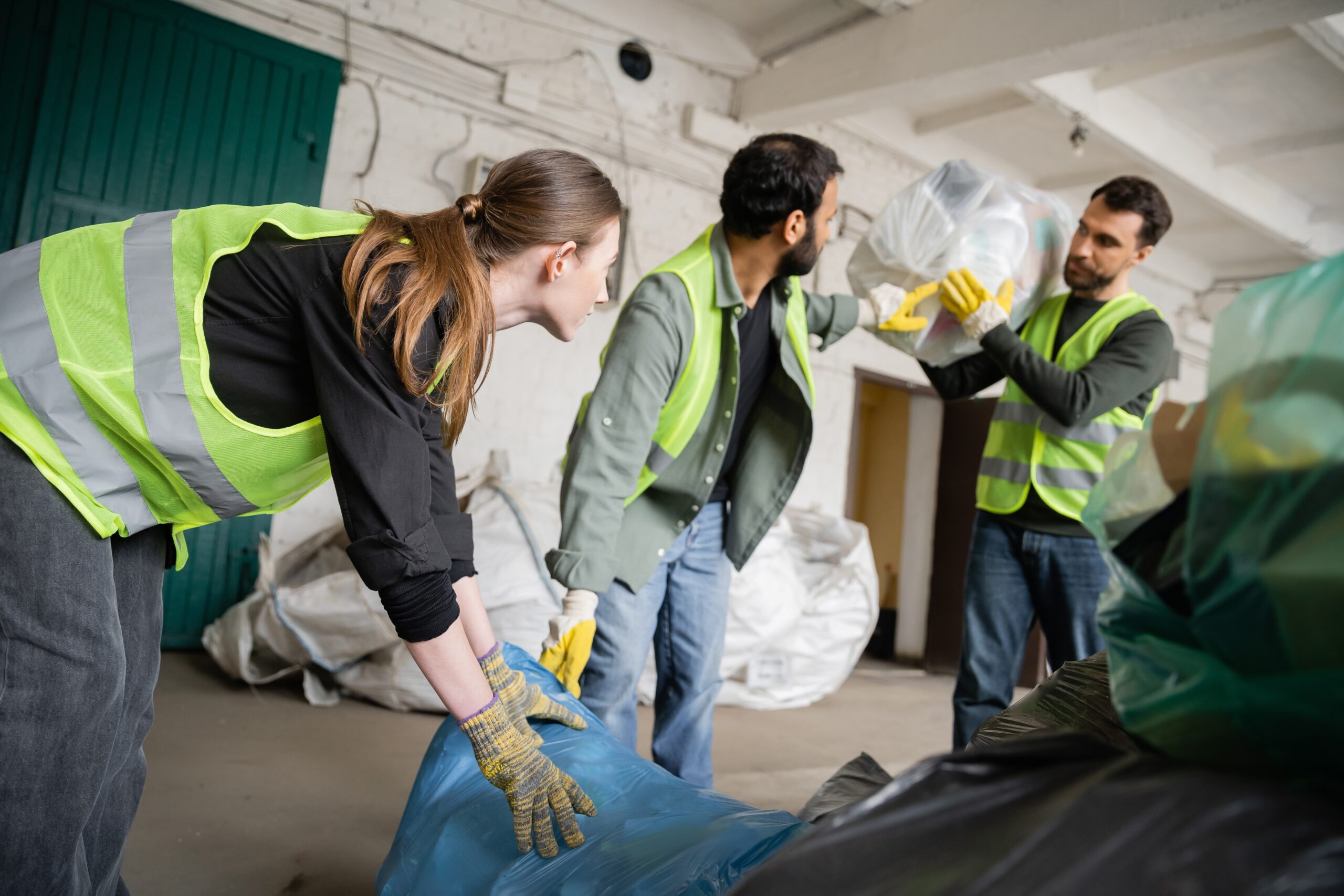
What Is Post-Construction Cleaning?
Post-construction cleaning is the detailed cleanup process that turns a newly built, renovated, or repaired commercial space from a construction zone into a safe, usable, and professional facility. It removes construction dust, adhesive residue, protective films, packaging, debris, fingerprints, floor marks, and the fine particles that settle on ledges, vents, glass, fixtures, millwork, and equipment after contractors leave.
Need a space ready for turnover? Foreman Pro provides post-construction cleaning services for commercial properties across Maryland, Washington D.C., and Virginia, with customized plans for offices, healthcare spaces, retail facilities, schools, and critical environments.
Unlike routine janitorial service, post-construction cleaning is usually completed in phases. Each phase has a different goal. Rough cleaning removes the heavy material and obvious debris. Light cleaning addresses surfaces, fixtures, floors, and detail areas. Final cleaning polishes the space, catches remaining dust, and prepares the property for inspection, occupancy, or a client walkthrough.
For facility managers, property managers, contractors, and operations leaders, the best post-construction cleaning plan is not just about appearance. It helps reduce safety risks, protects new finishes, supports indoor air quality, and makes the project handoff feel complete.
Why Post-Construction Cleaning Matters for Commercial Properties
A construction project can look finished while still carrying hidden dust and residue. Fine construction dust can settle inside cabinets, on horizontal ledges, around baseboards, on light fixtures, and near HVAC returns. Foot traffic can grind particles into new flooring. Adhesives, paint specks, drywall dust, sawdust, and packaging debris can make a new space feel unfinished even after the build is complete.
Commercial properties also have higher expectations than residential spaces. Employees, tenants, patients, visitors, inspectors, and customers notice details quickly. A newly renovated office with dusty vents, streaked glass, or residue on floors can create the wrong first impression. In healthcare, education, government, laboratory, data center, and other specialized settings, cleanliness also affects safety, uptime, and operating confidence.
Foreman Pro is a family-owned commercial and critical environment cleaning company serving Maryland, Washington D.C., and Virginia since 2014. The team brings commercial cleaning experience, OSHA-trained staff, EPA-approved cleaning products, HEPA-filtered equipment, quality control processes, and customized cleaning plans to projects where the final presentation matters.
The 3 Phases of Post-Construction Cleaning
The three phases of post-construction cleaning are rough cleaning, light cleaning, and final cleaning. These phases may happen over several days or in coordinated windows between contractor punch-list work, inspections, furniture installation, and occupancy. On smaller projects, phases may be compressed. On large commercial projects, each phase may require a separate scope, crew size, schedule, and quality inspection.
Phase 1: Rough Cleaning
Rough cleaning starts after major construction work is complete enough for safe access. The goal is to remove large debris, trash, packaging, leftover materials, and heavy dust so the site can move toward detail work. This phase is not about polishing every surface. It is about creating a safer and more workable environment for the next trades, inspectors, or cleaning crews.
Rough cleaning often includes removing construction trash, sweeping or vacuuming heavy dust, clearing walkways, collecting loose materials, cleaning obvious spills, and preparing floors and surfaces for the next phase. In commercial settings, it may also include coordinating with site supervisors to avoid interrupting active punch-list work or deliveries.
Phase 2: Light Cleaning
Light cleaning is the most detailed and labor-intensive phase. This is where the space starts to look finished. Crews clean walls, ledges, doors, frames, fixtures, cabinets, glass, restrooms, break rooms, interior windows, floors, and other surfaces that collect construction residue. Dust removal becomes more precise, especially around vents, baseboards, corners, light switches, hardware, and high-touch areas.
This is also the phase where deep cleaning services often overlap with construction cleanup. Detailed cleaning is needed because construction dust does not behave like normal office dust. It is finer, more persistent, and more likely to resettle if crews clean in the wrong sequence.
Phase 3: Final Cleaning
Final cleaning happens after most trades are finished, the punch list is nearly complete, and the facility is close to turnover. The goal is presentation and readiness. Crews remove remaining dust, wipe smudges, polish glass and metal, touch up floors, inspect restrooms and break areas, clean entry points, and confirm that the space looks ready for use.
Final cleaning is often the phase most visible to owners, tenants, employees, and visitors. It should include a quality review so issues can be corrected before the first walkthrough or move-in. For a commercial facility, this final pass can be the difference between a project that feels done and one that still feels under construction.
Post-Construction Cleaning Checklist by Phase
A checklist keeps the project organized and helps facility managers confirm that the scope matches the condition of the building. The right checklist depends on the facility type, flooring materials, square footage, construction schedule, and sensitivity of the environment. Use the following phase-by-phase checklist as a planning guide.
Rough Cleaning Checklist
- Remove large debris, trash, packaging, and leftover construction materials from approved areas.
- Sweep or HEPA vacuum heavy dust from accessible floors and work zones.
- Clear walkways, entrances, exits, and service paths for safer access.
- Remove stickers, protective materials, and temporary coverings where appropriate.
- Collect loose screws, nails, scraps, and small debris that can damage floors or create hazards.
- Coordinate with the site supervisor before touching materials that may still belong to contractors.
- Identify areas that need specialty cleaning, floor care, or follow-up after punch-list work.
Light Cleaning Checklist
- Clean walls, doors, frames, handles, ledges, shelves, cabinets, counters, and built-ins.
- Dust and wipe light fixtures, vents, baseboards, trim, switch plates, and accessible horizontal surfaces.
- Clean interior glass, partitions, mirrors, and window sills.
- Detail restrooms, break rooms, sinks, fixtures, dispensers, and high-touch surfaces.
- Vacuum carpets with appropriate filtration and remove visible construction dust.
- Scrub, mop, or machine-clean hard floors according to the flooring type and finish requirements.
- Remove paint specks, adhesive residue, labels, and smudges using safe methods for each surface.
Final Cleaning Checklist
- Complete a final dusting of ledges, fixtures, vents, trim, and high-touch surfaces.
- Polish glass, mirrors, brightwork, and visible metal surfaces.
- Touch up floors, entryways, elevators, corridors, restrooms, and reception areas.
- Check corners, baseboards, thresholds, and behind doors for remaining dust or debris.
- Remove fingerprints, footprints, smudges, and final marks from visible surfaces.
- Review the space against the scope of work and document items that need correction.
- Prepare the property for owner inspection, tenant turnover, staff return, or public opening.
Planning a turnover window? Foreman Pro can coordinate post-construction cleaning with your contractor schedule, furniture delivery, floor care needs, and move-in timeline so the space is ready when your team needs it.
Construction Dust Removal Best Practices
Construction dust is one of the main reasons post-construction cleaning needs a phased plan. Drywall dust, concrete dust, sawdust, insulation particles, and other fine debris can settle repeatedly if crews clean too quickly or use the wrong equipment. A space may look clean for a few hours, then show a new layer of dust after air movement, HVAC activity, or foot traffic.
Best practice is to work from top to bottom and from cleaner areas toward dirtier areas. High ledges, vents, fixtures, tops of cabinets, and horizontal surfaces should be addressed before floors receive final attention. HEPA-filtered vacuums help capture fine particles instead of pushing them back into the air. Microfiber tools can help trap dust on delicate surfaces. HVAC coordination also matters because active air systems can spread particles during or after cleaning.
In critical environments, data centers, laboratories, and other sensitive facilities, dust control requires even more discipline. Foreman Pro has commercial and critical environment cleaning experience, including HEPA filtration, anti-static considerations, detailed standard operating procedures, and quality control reporting for settings where particle control and operational continuity matter.
Safety, OSHA, and EPA Considerations
Post-construction cleaning should be planned with safety in mind. Construction sites can include sharp debris, exposed edges, wet surfaces, dust, trip hazards, heavy materials, and areas that are not yet fully ready for normal traffic. Cleaning crews need proper access, communication with site contacts, and instructions about restricted areas.
Facility managers should align the cleaning scope with site safety rules and applicable workplace guidance. The Occupational Safety and Health Administration construction resources provide useful context for construction-site safety awareness. Cleaning products and disinfection choices should also be appropriate for the environment, surface, and use case. The EPA indoor air quality resources offer additional context for managing dust, particles, and indoor conditions.
Foreman Pro supports commercial facilities with OSHA-trained staff, EPA-approved cleaning products, and customized cleaning plans. The right plan helps protect workers, new finishes, facility occupants, and the overall project schedule.
Equipment Needed for Commercial Post-Construction Cleaning
Post-construction cleaning often requires more than standard janitorial tools. Depending on the facility, crews may need HEPA-filtered vacuums, microfiber systems, floor machines, scrubbers, burnishers, safe residue-removal tools, extension dusting equipment, glass-cleaning tools, proper personal protective equipment, and surface-appropriate cleaning products.
Floor care is especially important. Construction traffic can leave dust, grit, adhesive, scuffs, and residue on hard surfaces. New floors may require careful cleaning before they are ready for normal maintenance. In some cases, professional hard floor cleaning service is needed to protect appearance, remove construction residue, and prepare the floor for use.
The equipment should match the surface and the risk level. For example, a standard vacuum may not be appropriate for fine construction dust in a sensitive environment. Harsh chemicals may damage new finishes. Abrasive tools may scratch glass, stone, metal, or specialty flooring. A professional cleaning provider should know when to use a gentle approach and when a more specialized method is required.
How Facility Managers Should Plan the Cleaning Timeline
Post-construction cleaning works best when it is scheduled before the project reaches a crisis point. Facility managers should start with a walkthrough, a written scope of work, and a clear understanding of turnover dates. The cleaning plan should account for contractor punch-list activity, inspections, furniture installation, IT installation, floor protection, security access, elevator use, loading dock access, and hours when cleaning crews can work without disrupting other teams.
A practical timeline should include three questions. First, when is the site clean enough for rough cleaning? Second, when will detailed cleaning not be undone by active construction work? Third, when should the final cleaning happen so the space is fresh for inspection, occupancy, or opening day?
Commercial spaces also need communication. Facility managers should confirm who can approve access, who will remove contractor-owned materials, who will handle hazardous or regulated materials, and who will sign off on the final walkthrough. For office buildouts and renovations, it can also help to coordinate with office cleaning teams so the property transitions smoothly from construction cleanup to recurring maintenance.
When to Hire a Professional Post-Construction Cleaning Company
Hiring a professional post-construction cleaning company makes sense when the space is commercial, the timeline is tight, the site has heavy dust, the finishes require careful handling, or the facility has safety, compliance, security, or operational requirements. It is also a smart choice when the property needs to make a strong first impression on tenants, employees, owners, inspectors, or customers.
A professional provider should be able to review the site, recommend a phased scope, staff the job correctly, use appropriate equipment, protect finishes, communicate with stakeholders, and document completion. For sensitive properties, the provider should understand access control, critical environment protocols, and the importance of limiting disruption.
If you are comparing vendors, read the Foreman Pro guide on how to choose a post-construction cleaning company. The right partner should bring more than labor. They should bring planning, accountability, quality control, and commercial cleaning expertise.
Frequently Asked Questions About Post-Construction Cleaning
What are the 3 phases of post-construction cleaning?
The three phases are rough cleaning, light cleaning, and final cleaning. Rough cleaning removes debris and heavy dust. Light cleaning details surfaces, fixtures, floors, restrooms, glass, and built-ins. Final cleaning prepares the space for inspection, move-in, or public use.
What is included in a post-construction cleaning checklist?
A checklist usually includes debris removal, dust removal, surface wiping, glass cleaning, restroom detailing, fixture cleaning, floor cleaning, residue removal, final polishing, and a quality inspection. Commercial checklists should also include access rules, safety coordination, scheduling, and documentation.
How long does post-construction cleaning take?
The timeline depends on square footage, dust level, construction activity, surface types, access windows, and the number of phases required. A small office renovation may need a short phased cleanup, while a larger commercial buildout may require several coordinated cleaning windows.
Why does construction dust keep coming back after cleaning?
Fine dust can resettle from ledges, vents, ceiling areas, HVAC movement, and foot traffic. Proper sequencing, HEPA filtration, microfiber tools, top-to-bottom cleaning, and a final pass after dust has settled help reduce recurring dust.
Do commercial properties need professional post-construction cleaning?
Many commercial properties benefit from professional cleaning because the expectations are higher, the schedule is tighter, and the surfaces or environments may require specialized care. Professional cleaning helps protect finishes, reduce safety risks, and prepare the space for turnover.
Get Professional Post-Construction Cleaning in MD, DC, and VA
Foreman Pro Cleaning helps commercial facilities move from construction completion to clean, safe, professional spaces. The team serves Maryland, Washington D.C., and Virginia with customized cleaning plans, trained staff, HEPA-filtered equipment, quality control processes, and experience across commercial and critical environments.
If your project is approaching turnover, request a walkthrough and scope review. Foreman Pro can help plan rough cleaning, light cleaning, final cleaning, dust control, floor care, and ongoing maintenance so your space is ready for the people who use it.
