
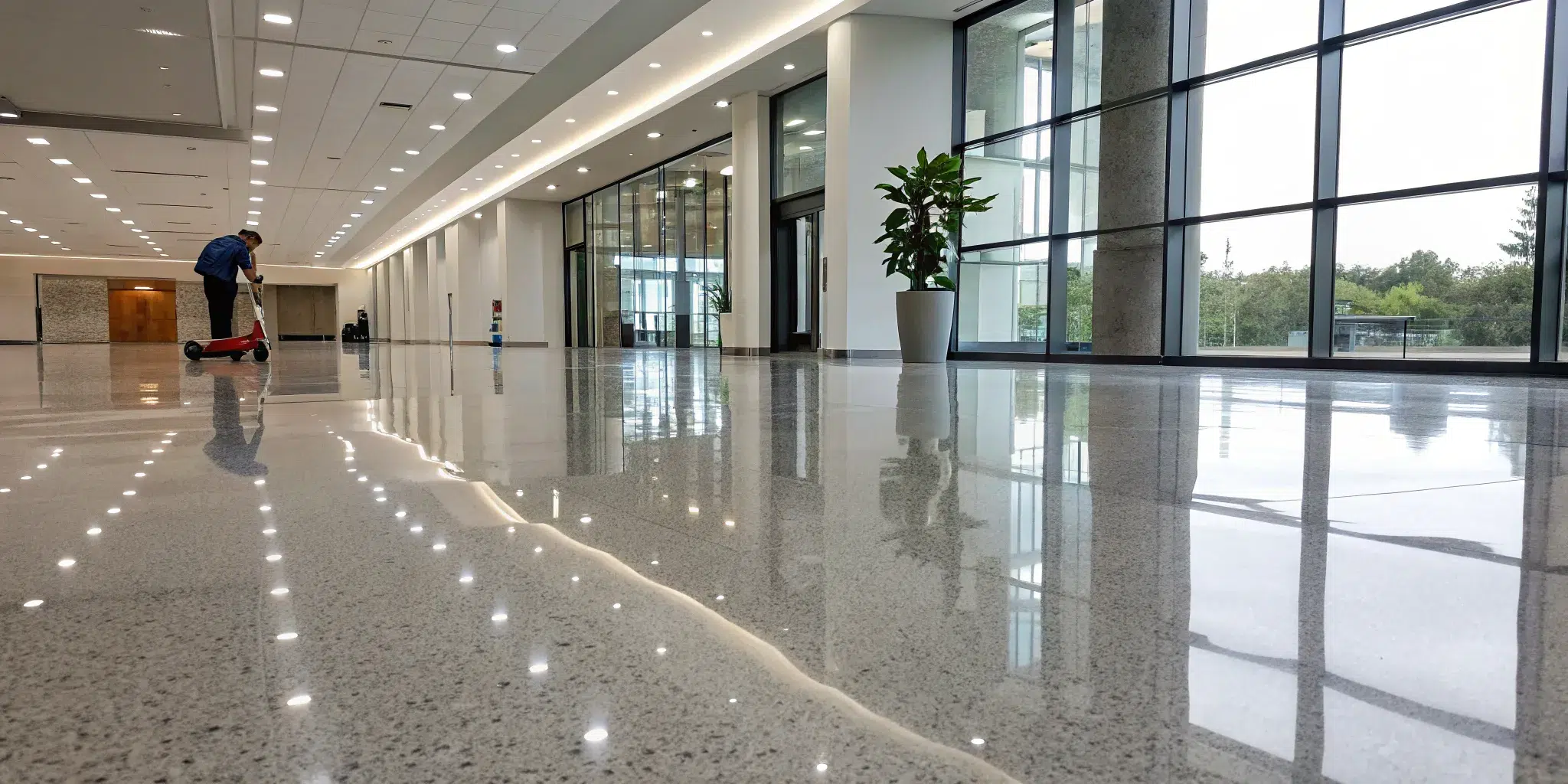
What if I told you that you could get a brilliant, high-gloss shine on your epoxy floors without ever using wax? It’s true. The key to a reflective, professional-looking surface often lies in consistent cleaning and periodic burnishing, not in adding another layer. However, in certain high-traffic situations, waxing epoxy floors can provide a valuable sacrificial layer that protects your investment from daily wear and tear. The challenge is knowing when to wax and how to do it without creating buildup or a slippery surface. This guide will show you how to restore shine with and without wax, giving you the knowledge to choose the best maintenance strategy for your facility, whether it’s a busy office or a sensitive laboratory.
Key Takeaways
- Check Before You Wax: Waxing is often an unnecessary step for epoxy floors and can sometimes cause damage. Always consult your specific flooring manufacturer’s guidelines first, as they are the ultimate authority on what products are safe for their finish.
- Prioritize Proactive Cleaning for a Natural Shine: You can restore gloss without wax by focusing on maintenance. A daily dust mop to remove abrasive grit, periodic buffing to polish the surface, and placing entrance mats are simple, effective ways to preserve the floor’s natural luster.
- Apply Wax Correctly or Not at All: If you decide to wax, technique is everything. Use a water-based polymer finish on a perfectly clean floor, apply it in several thin coats, and let each layer dry completely to avoid a tacky, uneven result.
What Is an Epoxy Floor (and Why Is It So Popular)?
If you’ve walked through a modern hospital, a high-tech data center, or even a sleek retail store, you’ve likely walked on an epoxy floor. But what exactly is it? An epoxy floor isn’t just a layer of paint. It’s a resilient flooring system created by applying multiple layers of a thermosetting resin over a concrete base. When the resin and a hardener are mixed, they chemically react to form a rigid, plastic-like material that bonds tightly with the concrete substrate.
The result is a seamless, durable, and often high-gloss surface that has become a go-to choice for commercial and industrial spaces. Its popularity isn’t just about looks, although the clean, modern aesthetic is a big plus. Businesses love epoxy because it stands up to heavy foot traffic, machinery, and spills without breaking a sweat. It creates a protective barrier that shields the concrete underneath from damage, moisture, and stains, making it an incredibly practical solution for demanding environments. From protecting sensitive equipment in a data center to providing a hygienic surface in a laboratory, epoxy flooring delivers performance that other flooring types just can’t match. This combination of strength and style is why you see it everywhere from school hallways and medical facilities to busy commercial kitchens and auto showrooms.
The main benefits of epoxy flooring
Epoxy floors are known for being incredibly tough. The hard, non-porous surface resists stains from chemicals, oil, and other spills, making cleanup simple. Because it’s seamless, there are no grout lines or cracks where dirt, dust, and bacteria can get trapped, which is a huge plus for hygiene-sensitive areas like medical clinics and labs. This durability also means it can handle scratches from equipment and constant foot traffic without showing much wear. Plus, its resistance to moisture prevents the growth of mold and mildew, keeping your facility healthier and easier to maintain. It’s a flooring solution that works as hard as you do.
Why businesses choose epoxy for their floors
For many businesses, choosing epoxy is a smart long-term investment. With the right care, an epoxy floor can last for 15 to 20 years or even longer. Unlike other flooring types that require frequent waxing or polishing to maintain their appearance, epoxy’s natural gloss holds up with simple, routine cleaning. This significantly cuts down on maintenance time and costs over the floor’s lifespan. Its versatility makes it suitable for a wide range of commercial settings, offering a reliable and professional-looking surface that supports daily operations. A well-maintained epoxy floor is a key part of a comprehensive hard floor cleaning program that keeps your facility looking its best.
To Wax or Not to Wax: The Epoxy Floor Debate
One of the biggest questions we hear from facility managers is whether they should be waxing their epoxy floors. It’s a valid question, with a lot of conflicting advice out there. The short answer is: it depends. While epoxy is designed to be a low-maintenance, high-shine surface on its own, there are situations where a layer of wax can be beneficial. Let’s clear up the confusion and figure out the best approach for your facility’s floors.
The common myth about waxing epoxy
One of the main reasons businesses choose epoxy is for its durable, glossy finish that doesn’t require much fuss. Because of this, waxing is often an unnecessary step. The coating is non-porous and tough, designed to withstand daily wear and tear while maintaining its shine. Adding wax can feel a bit like putting a hat on a hat. However, in some cases, applying a sacrificial wax layer can help protect the underlying epoxy, especially in very high-traffic zones. It can fill in minor scratches and restore a uniform sheen, but it’s not a mandatory maintenance task for every epoxy floor.
What manufacturers actually recommend
Before you even think about buying floor wax, your first step should be to check the recommendations from your specific epoxy flooring manufacturer. This is non-negotiable. Some manufacturers explicitly advise against waxing because certain chemicals in the wax can react poorly with the epoxy coating, potentially causing it to become cloudy, sticky, or even break down over time. Since every epoxy formulation is slightly different, the manufacturer is the ultimate authority on what is safe to apply to their product. A quick check of their care guide can save you from a costly mistake down the road.
When waxing your epoxy floor might be the right call
So, when does waxing make sense? You should consider it when your once-gleaming epoxy floor starts to look dull or shows a network of light surface scratches from daily use. A proper coat of wax can act as a restorative measure, bringing back that lost shine and adding a protective layer to shield the floor from further wear. If you decide to wax, it’s critical to use the right product. Stick to a water-based, polymer floor finish. These products are designed to adhere properly without damaging the epoxy. If you’re unsure, our professional hard floor cleaning service can help restore your floor’s finish safely.
Choosing the Right Wax for Your Epoxy Floor
If you’ve decided waxing is the right move for your facility, choosing the right product is critical. The wrong wax can do more harm than good, potentially dulling or even damaging your floor’s finish. Think of it as a protective top coat; you want something that works with the epoxy, not against it. Making an informed choice here will protect your investment and ensure you get that clean, professional shine you’re looking for.
Safe bets: Water-based and polymer finishes
When shopping for a floor finish, stick to products labeled as water-based or polymer-based. These are the safest options for epoxy surfaces. Unlike harsh, solvent-based waxes, a quality polymer finish creates a durable, protective layer that enhances shine without damaging the epoxy underneath. These finishes are designed to be sacrificial, meaning they take on the scuffs and wear of daily foot traffic, protecting the permanent floor below. Professional hard floor cleaning services rely on these products because they deliver consistent, reliable results.
Products you should never use on epoxy
Just as important as knowing what to use is knowing what to avoid. Many common cleaning agents can ruin an epoxy floor’s finish. A good rule of thumb is to avoid anything with harsh chemicals or acidic ingredients. Cleaners containing citrus, vinegar, or bleach are a definite no, as they can etch the surface and make the floor appear dull. You should also steer clear of traditional paste waxes or any product with solvents, as these can soften and degrade the epoxy coating. This is especially critical in sensitive areas like laboratories, where floor integrity is essential.
How to test a new wax product
Before applying a new wax across your entire floor, always perform a spot test. This simple step can save you from a major headache. Choose a small, inconspicuous area to test the product, like inside a closet or under a large piece of furniture. Apply the wax exactly as the manufacturer’s instructions direct and let it dry completely. Once it’s dry, check for any negative reactions like discoloration, stickiness, or peeling. If the spot looks good and the finish is what you expected, you can proceed with confidence.
A Step-by-Step Guide to Waxing Epoxy Floors
If you’ve decided that waxing is the right move for your facility, doing it correctly is everything. This isn’t a task to rush. Applying wax to an epoxy floor is a multi-step process that requires patience and attention to detail to achieve a durable, high-gloss finish without causing damage. Follow these steps carefully to protect your investment and get the shine you’re looking for.
Step 1: Clean and prep the surface
You can’t put wax on a dirty floor. Before you even think about opening a container of wax, the epoxy surface must be completely clean and dry. Start by sweeping or vacuuming to remove all loose dirt, dust, and debris. Then, wash the floor with a pH-neutral cleaner to get rid of any grime or oils. Harsh chemicals are a no-go, as they can harm the epoxy. Once cleaned, rinse the floor with fresh water and let it dry completely. Any lingering moisture can get trapped under the wax and create a cloudy, hazy finish. For a truly pristine starting point, consider professional commercial cleaning services to ensure the surface is perfectly prepped.
Step 2: Apply thin, even coats
When it comes to applying floor wax, less is more. The goal is to build up the shine with several very thin, even layers. Pouring on a thick coat might seem like a shortcut, but it often leads to a gummy mess that never dries properly and can ruin the floor’s appearance. Use a clean microfiber mop or a specialized wax applicator to spread a thin layer of wax across the floor. Work in small, manageable sections, applying the wax in one consistent direction to avoid streaks. Remember, you’re aiming for a light, uniform sheen with each coat, not a thick, glossy layer all at once. This method ensures each layer cures correctly for a hard, durable finish.
Step 3: Allow for proper drying time
Patience is a virtue, especially when waxing floors. After you’ve applied your first thin coat, you need to let it dry completely before adding another. This usually takes about 20 to 30 minutes, but always check the wax manufacturer’s specific instructions, as drying times can vary based on the product, room temperature, and humidity. You can test for dryness by lightly touching a small, inconspicuous area. If it feels tacky, it needs more time. Rushing this step and applying a new coat too soon will pull up the previous layer, creating streaks and an uneven texture. Giving each coat the time it needs is essential for a smooth, professional-looking result.
Step 4: Buff to a smooth finish
Once your final coat of wax is completely dry, it’s time to bring out the shine. Buffing, also known as burnishing, is the step that transforms the matte finish of dried wax into a brilliant, high-gloss surface. For this, you’ll need a high-speed floor buffer. It’s critical to use the right buffing pad; a soft, natural hair pad is ideal for polishing wax on an epoxy floor. Avoid using more abrasive pads, like white or red ones, as they can be too aggressive and may scratch the new finish. This is often a step best left to professionals, as a proper hard floor cleaning service uses specialized equipment to achieve a perfect finish without risk of damage.
Common waxing mistakes and how to avoid them
Applying wax can feel straightforward, but a few common missteps can quickly derail your efforts. The biggest mistake is improper preparation. Applying wax over a dirty, dusty, or damp floor will only seal in the imperfections and lead to a poor finish. Another frequent error is applying the coats too thickly, which results in a soft, tacky surface that attracts dirt and never fully cures. Also, be sure to avoid using harsh cleaning chemicals like bleach or ammonia before waxing, as they can degrade the epoxy itself. Finally, don’t rush the process. Give each coat adequate time to dry and choose the correct buffing pad to avoid scratching your hard work.
The overlooked risk of a slippery surface
A glossy floor looks fantastic, but there’s a fine line between a beautiful sheen and a dangerous, slippery surface. This is one of the most significant risks of waxing an epoxy floor, especially in a commercial setting where foot traffic is high. The primary cause of a slick floor is applying too much wax. Excessive buildup not only creates a slip hazard but can also feel sticky underfoot, attracting and trapping more dust and dirt than an unwaxed floor. This means you’ll have to clean it more often, and the floor will look grimy faster. Maintaining a safe environment is paramount, so be mindful not to over-apply wax in pursuit of shine.
The long-term cost of wax buildup
While a single coat of wax might not seem like a big deal, the long-term effects of improper maintenance can be costly. Over time, layers of wax, dirt, and old finish can accumulate, creating a thick, yellowed, and dull surface that’s impossible to clean effectively. This buildup hides the beauty of your epoxy floor and can become a maintenance nightmare. At this point, the only solution is to completely strip all the old wax off the floor. This is a labor-intensive and expensive process that often requires professional help to perform safely and effectively, restoring the floor to a state where it can be properly maintained.
How to Restore Shine Without Wax
If you’ve been told that wax is the only way to get a glossy finish, I’m happy to report that’s not the case. You can absolutely restore a brilliant shine to your epoxy floors without ever touching a bottle of wax. The secret isn’t a miracle product; it’s a combination of consistent care, the right techniques, and a little bit of preventative thinking. Keeping your epoxy floors looking brand new is less about adding layers on top and more about properly maintaining the durable surface you already have.
Forgoing wax can actually save you from future headaches like yellowing, buildup, and the painstaking process of stripping it all away. Instead, you can focus on simple, effective methods that enhance the floor’s natural luster. From daily habits to periodic deep cleaning, these strategies will help you maintain a professional, reflective finish that lasts. It’s all about working with your floor, not just covering it up. A great hard floor cleaning service relies on technique, not just products, and you can apply the same principles yourself.
Create a daily cleaning routine
Epoxy floors are incredibly resilient, but they aren’t invincible. The number one enemy of a glossy finish is grit. Tiny particles of dirt, sand, and dust act like sandpaper under foot traffic, creating microscopic scratches that dull the surface over time. A simple daily sweep with a microfiber dust mop is your best defense. This quick task takes just a few minutes but goes a long way in preserving the floor’s integrity and shine. For a deeper clean, mop the floor once a week using a pH-neutral cleaner to avoid damaging the epoxy’s protective topcoat.
Use buffing and burnishing to bring back the gloss
When your floor starts to lose its sparkle, buffing or burnishing can bring it right back to life. These methods use a floor machine with a rotating pad to polish the surface, smoothing out minor scuffs and restoring reflectivity without chemicals. For a truly high-gloss, “wet look” finish, burnishing is the way to go. Using a high-speed machine with a natural hair pad creates just enough friction to heat and polish the epoxy surface, making it gleam. This is a fantastic, wax-free way to rejuvenate your floors every few months or as needed.
Address scratches and wear right away
The key to keeping your floors looking great is to be proactive. Spills are inevitable, but they don’t have to cause permanent damage. If you spill chemicals, oils, or even just a coffee, it’s important to wipe them up quickly with a soft cloth or paper towel. Letting liquids sit can lead to staining or chemical reactions that etch the surface and permanently dull the finish. For minor scratches, you can sometimes buff them out. Addressing these small issues as they happen prevents them from becoming bigger problems that require more intensive restoration work down the road.
Use mats to protect high-traffic areas
One of the easiest and most effective ways to protect your epoxy floors is by using high-quality entrance mats. Placing mats at every entryway helps trap the dirt, moisture, and de-icing salts that get tracked in from outside. Think of them as the first line of defense for your floors. In addition to entrances, consider using mats in other high-traffic zones, like in front of service counters or along main walkways. This simple step significantly reduces the amount of abrasive grit that reaches your floor, preserving its shine and reducing the frequency of deep cleaning.
When to call a professional floor care team
Sometimes, a floor needs more help than a dust mop or a quick buff can provide. If your epoxy floors are heavily scuffed, deeply scratched, or have a widespread dullness that you can’t seem to fix, it’s time to call the experts. A professional commercial cleaning services team has specialized equipment and the experience to know exactly how to treat your specific type of flooring. They can assess the damage and use advanced techniques to restore the shine without resorting to wax, which some manufacturers advise against anyway. Investing in professional care can save you money in the long run by extending the life of your floor.
Related Articles
- Effective Industrial Floor Cleaning: Tips & Techniques
- How to properly take care of Commercial Floors | Foreman Pro Cleaning
- Tips for Cleaning Rubber Flooring | Foreman Pro Cleaning
Frequently Asked Questions
So, what’s the final verdict? Should I wax my epoxy floor or not? The best approach is usually to avoid wax. Most modern epoxy floors are designed to be durable and glossy on their own, so waxing is often an unnecessary step that can lead to buildup. Your first move should always be to check the flooring manufacturer’s care guide, as some specifically advise against it. If your floor is in a very high-traffic area and you want an extra sacrificial layer of protection, a water-based polymer finish might be an option, but it’s not a requirement for a great-looking floor.
My epoxy floor is looking dull, but I don’t want to use wax. What’s the best way to restore its shine? You can absolutely get that shine back without wax. The most effective method is regular buffing or burnishing. Using a high-speed floor machine with a soft polishing pad smooths out tiny surface scuffs and restores the floor’s natural reflectivity. This, combined with a consistent daily cleaning routine to remove abrasive dirt and dust, will keep your floor looking its best. It’s about maintaining the floor itself, not just covering it up.
What kind of cleaner is actually safe for weekly mopping? For routine mopping, you should always use a pH-neutral cleaner. In simple terms, this means the cleaner is not acidic or alkaline, so it won’t react with and damage the epoxy’s finish. You should actively avoid any cleaning products that contain citrus, vinegar, soap-based detergents, or harsh chemicals like bleach and ammonia. Sticking to a simple, pH-neutral solution is the safest way to clean without causing dullness or long-term harm.
How often should I have my epoxy floors professionally buffed or burnished? The frequency really depends on how much foot traffic your facility gets. For a busy commercial space, you might consider professional buffing every three to six months to keep the shine consistent and the surface protected. For areas with less traffic, once a year might be perfectly fine. A good rule of thumb is to schedule a service when you start to notice the gloss fading in your main walkways.
I think I used the wrong product, and now my floor is sticky or cloudy. What can I do? This is a common issue, and unfortunately, it’s not an easy fix. A sticky or cloudy film usually means an incompatible wax was used or moisture was trapped underneath. The solution typically involves professionally stripping the floor to remove the problematic coating completely. This is a labor-intensive process that requires specialized equipment and solutions to do safely without damaging the epoxy underneath. This is definitely a situation where calling a professional floor care team is your best bet.
