

Relying on a cleaning crew to report its own success often leads to missed corners, dusty vents, and unresolved service gaps. A commercial cleaning quality assurance checklist gives facility managers an objective monthly method to inspect work, confirm SOP adherence, measure response times, and require corrective action.
Request a customized commercial cleaning plan from Foreman Pro Cleaning to establish clear service standards and measurable accountability for your facility.
The commercial cleaning quality assurance checklist is a tool used to verify that cleaning crews follow a facility’s specific work plan. It serves as a formal record that turns visual checks into clear data. This allows facility managers to track vendor results over time. According to the Centers for Disease Control and Prevention, using clear programs like checklists is needed to ensure the quality of cleaning on high-touch surfaces. A well-made checklist covers everything from floor care and restroom cleaning to dust control in server rooms. By scoring these tasks monthly, you create a culture of accountability where service gaps are fixed within one day. This simple approach stops the slow drop in health that often happens when vendors lack clear, written goals for their daily and weekly work.
Creating a strong system starts with a Commercial cleaning quality assurance checklist: monthly scorecard that tracks clear results. This tool helps you grade every part of your site with care to keep your building safe and healthy. The path begins with
Commercial cleaning quality assurance checklist: monthly scorecard
In brief: Score inspections, SOP adherence, response time, communication, and corrective action on the same monthly scale. Foreman Pro Cleaning uses this documented approach to turn subjective impressions into clear accountability.
A commercial cleaning quality assurance checklist keeps your facility clean and safe. A monthly scorecard turns daily notes into clear data. This tool helps facility managers track work over time. By building a measurable quality-control program, you can hold your vendor to task for daily jobs.
The core parts of a monthly scorecard
Your scorecard needs five core parts to work well. First, you must track regular supervisor checks to find problem zones. This helps catch errors early. Second, check if the crew follows your specific standard operating procedures. Third, log response times. The team must answer everyday cleaning needs fast. Fourth, rate weekly talks with the service team. Last, track fixes when a task falls short.
When grading checks, look close at high-traffic zones like lobbies and restrooms. Check if the team uses the right tools, such as HEPA-filtered vacuum units, to stop dust from spreading. SOP adherence means the crew follows every step in your written scope of work. Logging these details prevents mistakes and keeps the clean consistent.
Objective monitoring programs are vital to check high-touch surfaces. They ensure deep care. According to guidelines on evaluating environmental cleaning, regular checks keep high-traffic spaces safe. A monthly scorecard tracks this data to stop germs before they spread.
Setting up a clear scoring scale
A clear scoring scale removes all doubt. You can use a simple point system from one to five. For example, a score of five means the crew met every single contract term. A three means they missed minor details but did the core work. A score of one shows a major failure.
Issue response tracking forces quick action when problems arise. A high-quality partner will give a twenty-four hour fix promise for any service gaps. Your scorecard should log how often the vendor meets this window. Clear chats ensure minor errors do not become repeat failures. Meet every month to stay aligned on facility standards.
To find the final grade, add up the scores for each part. Most managers use a grade scale. When you hire professional customized facility cleaning programs, they should help you track these grades. A grade of ninety percent or higher shows great operational discipline. If the grade drops below eighty percent, demand a formal fix.
Comparing service accountability systems
Not all cleaning vendors handle quality control the same way. Standard franchise cleaners often rely on basic checklists with low oversight. This hurts quality. In contrast, an owner-operated team uses advanced logging systems. They back their work with firm fix timelines to resolve errors fast.
| Service Model | Inspection Systems | Documentation Type | Issue Fix Timeline | Crew Protocols |
|---|---|---|---|---|
| High-Accountability Model | Weekly random supervisor checks | Standardized digital logging | 24-hour fix promise | Proprietary standard operating procedures |
| Standard Franchise Model | Rare or monthly client walkthroughs | Basic paper checklists | No formal time guarantee | Basic general cleaning training |
Using a monthly scorecard creates a clear record of vendor care. It removes guesswork from facility management. When you track scores over time, patterns emerge. You can easily see if your vendor maintains high standards or starts to slip. This data gives you the proof needed to enforce your contract terms.
How should facility managers inspect cleaning quality?
In brief: Inspect representative high-traffic, high-touch, and problem areas, then compare both the visible result and the crew’s process against the written scope.

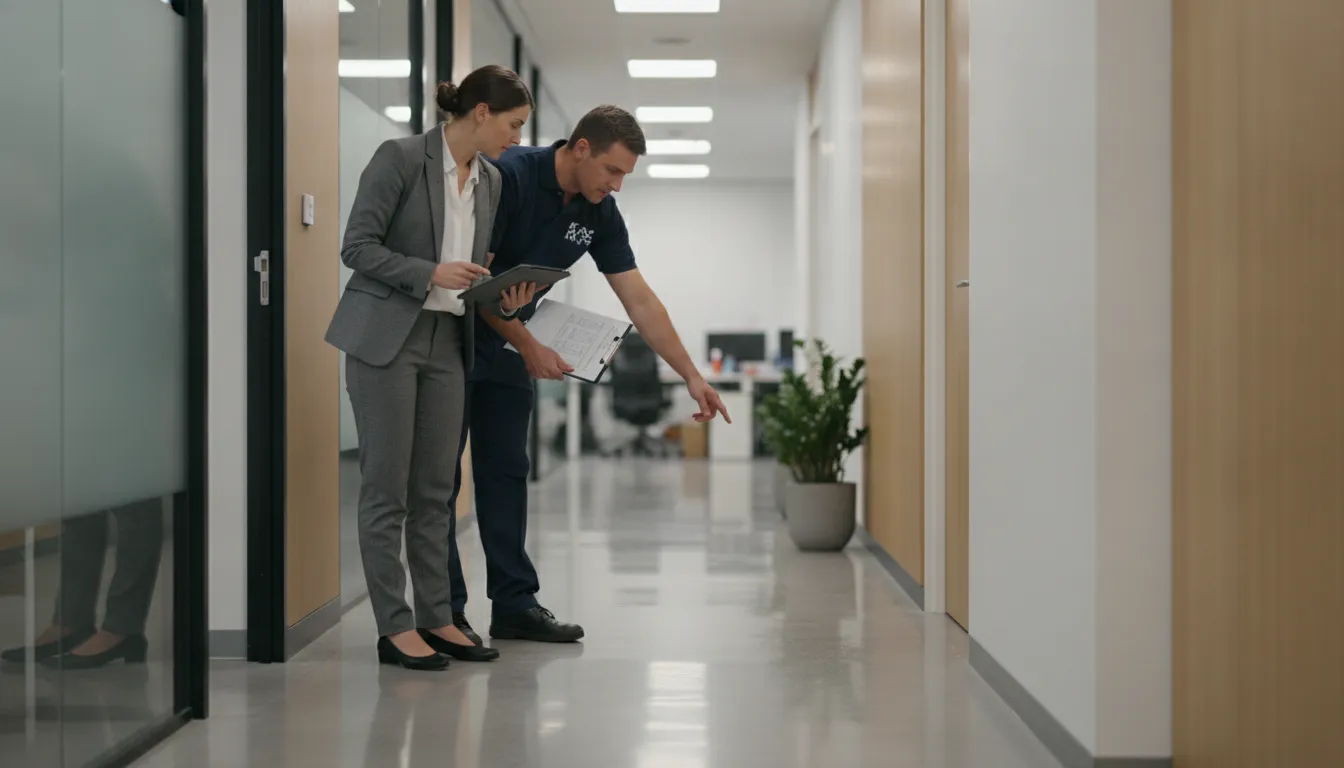
Building leaders need a clear way to track how well a space is cleaned. It is not enough to just walk through a hall once a month. To stay safe, you must use a set plan to check for dirt and germs. Expert teams use clear tracking plans to make sure high-touch spots are truly clean. These plans help teams find where cleaning falls short and fix it fast. By setting up a quality assurance checklist, you can hold your crew to a higher level of care. This system keeps your site safe and helps you trust the work being done.
Select the right zones to check
You cannot check every inch of a large site every day. Instead, you must pick exact spots that show the state of the whole site. These zones should include high-traffic areas and special spots like data centers or labs. A good rule is to sample other types of rooms each week. This keeps the cleaning crew focused on their work. It also gives you a fair look at how the entire site is being kept up.
When you pick these zones, focus on high-touch surfaces. These are spots like door handles, light switches, and lift buttons. The Centers for Disease Control and Prevention (CDC) says checking these spots helps stop the spread of germs. If these areas are clean, it is a good sign that the rest of the work is being done well. Try to pick zones that change each time so the crew does not just clean the same spots.
Watch the process and the results
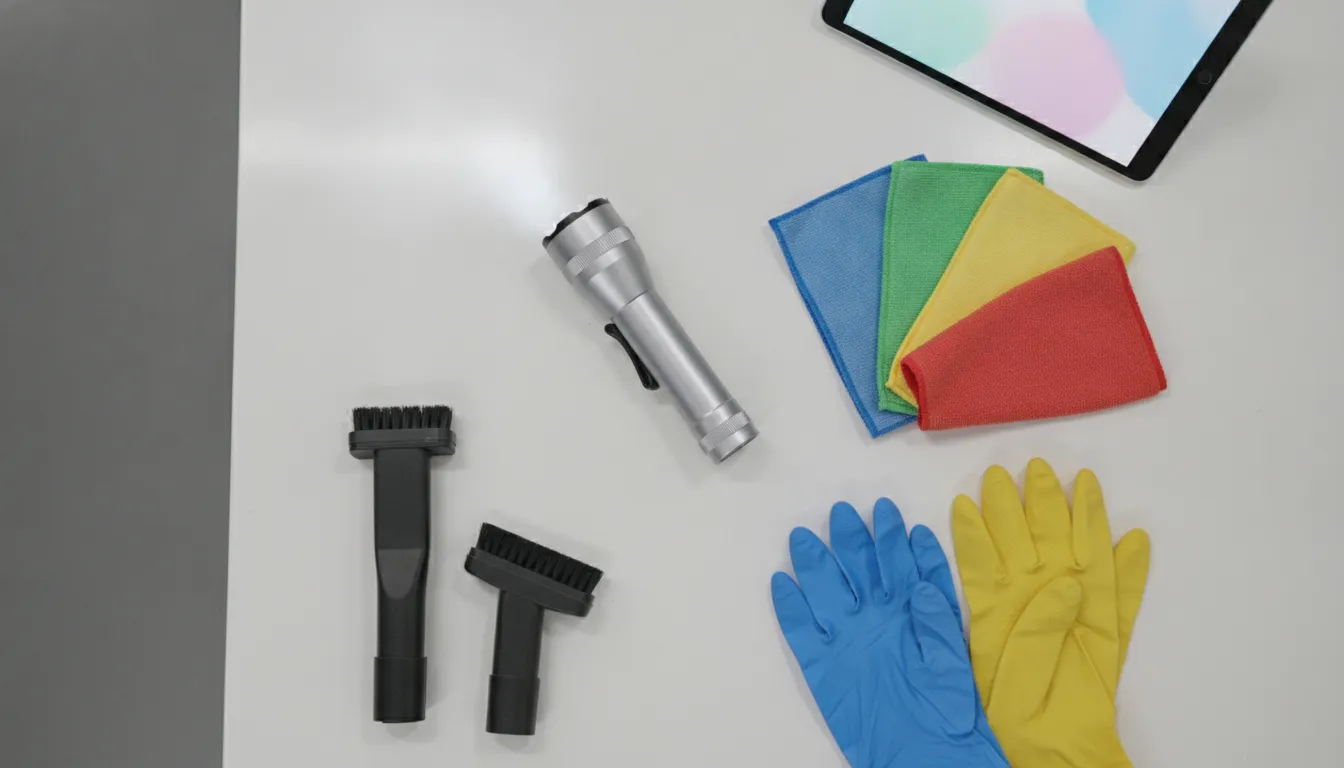
Good cleaning is about more than just a shiny floor. A room might look nice but still have dust and germs in the corners. You must look at how the work is done. This means checking if the crew follows the Scope of Work (SOW) and their Standard Operating Procedures (SOPs). For example, check if they use HEPA-filtered vacuums. These tools stop dust from flying back into the air and hurting special gear.
Use a commercial cleaning quality assurance checklist to mark off each task. Do not just look at the final look. Ask if the right tools and soaps were used. This helps you see if the team follows the rules you set. This kind of work protects your building and the people inside it. It moves your focus from just “looking clean” to “being truly clean.” It also makes sure that the team uses the right steps to keep the space safe.
Score the work and track it
To get better, you must measure your results. A scorecard turns a walk-through into facts you can use. Each check should get a score based on how well the job was done. This score helps you see trends over time. If the score for the break room is always low, you know you need more training there. It takes the guesswork out of handling your vendor.
Digital logs are a great tool for this work. They let you track issues as they happen. If a leader finds a problem, they can log it right away. An expert cleaning team should aim to fix any issue within 24 hours. This kind of open tracking is what sets top services apart from cheap brands. It also helps you match scores between different people. This means two people looking at the same room will give it the same grade.
A strong commercial cleaning quality assurance checklist should include these items:
- Checking high-touch surfaces for germs.
- Finding dust on high ledges and under desks.
- Review of restroom restocking and floor drains.
- Checking for the use of clean cloths and HEPA tools.
- Proof that all tasks in the Scope of Work are done.
This set approach ensures that your site stays in top shape. It gives you the proof you need that your cleaning partner is doing their job well. By using these tools, you can keep your building safe and clean for all people.
Verify scope of work and SOP adherence
In brief: Verify that required tasks happen at the agreed frequency and that cleaners use the approved tools, products, safety steps, and sequence.
Checking that work follows the plan is the core of any good cleaning program. You must make sure that every task in the contract happens as it should. This starts with a clear list of duties and rules for how to do them. A using documented cleaning quality controls helps you track these steps with ease. Without this check, small errors can turn into big problems for your building and staff.
Most cleaning failures happen because the plan is not clear. Staff might not know how often to clean a room or which tools to use. When you have a set list of tasks, you can hold the team to a high bar. This keeps the quality the same every day of the week. It also builds trust between the facility manager and the cleaning crew.
The role of the scope of work
A written scope of work (SOW) is the first tool you need for success. It tells the team exactly what to clean and how often to do it. You should base this list on a walk through of your site to find specific needs. This helps you set a plan for daily, weekly, and monthly tasks. Each room in your building may need a different level of care.
A good SOW also lists the chemicals and gear the team must use. For example, some floors need specific soaps to stay safe and look good. The plan should also cover how to handle trash and recyclables. When everyone knows the plan, it is much easier to check the results. You can use these standard office cleaning protocols to build your own custom list.
Following standard operating procedures
Standard operating procedures (SOPs) are the steps a team takes to finish a job. These rules ensure that workers clean each area in the right way. Expert teams use sets of rules that come from years of hands-on work. These steps often include a top to bottom cleaning method. This keeps dust from falling onto surfaces that are already clean.
Using digital logs is a great way to see that the team follows the SOPs. These logs show when a task starts and when it ends. This gives you a clear record of what happened in your building. Digital tools also make it easy to fix any issues within 24 hours. Good records lead to better results and less stress for everyone involved.
Checking high touch points and safety
High touch points are surfaces that many people touch throughout the day. These include door knobs, light switches, and sink handles. Cleaning these spots is a key part of keeping a healthy space. The CDC recommends monitoring programs to make sure these areas are clean. If these spots are missed, germs can spread fast among your staff and guests.
Safety procedures are also a vital part of the daily check. Workers should use HEPA vacs to trap dust and keep it out of the air. They must also use the right safety signs when floors are wet. A commercial cleaning quality assurance checklist should track all these safety steps. Checking these items keeps your building safe for everyone who walks through the doors.
Lastly, check the tools and chemicals on site. The crew should only use soaps and sprays that are safe for your specific gear. They must follow the instructions on the label for every product. Keeping these standards high ensures a clean and safe place for work. It also protects your building’s assets for years to come.
How do you track cleaning issues and response times?
In brief: Log every issue with its location, severity, owner, due time, corrective action, and verification date so repeat failures become visible.
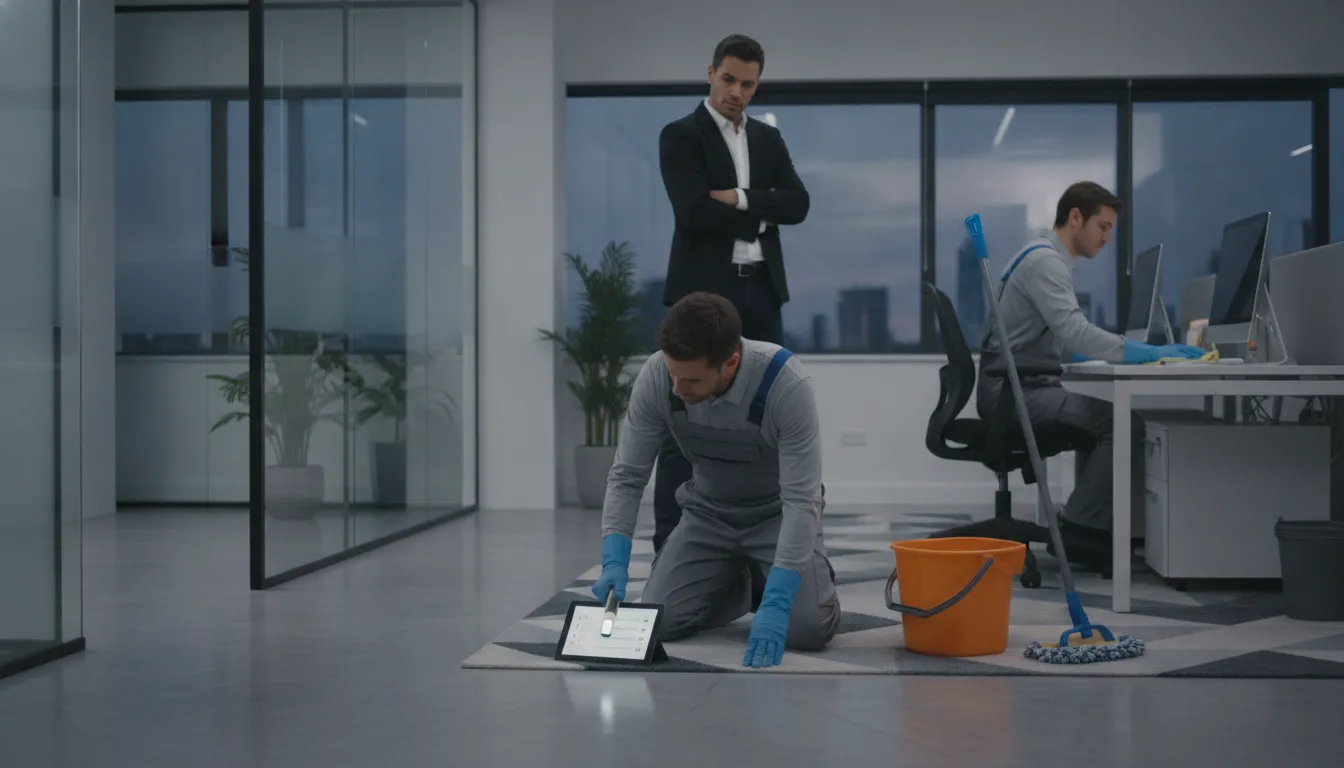
In any office or data lab, small cleaning slips can happen. A desk might be missed or a floor could have a smudge. The key is how a team finds and fixes these things. A strong professional cleaning support partner does not just wait for you to call. They use a clear way to track issues as they occur. This keeps the site safe and looks after the health of your staff. This plan is part of a smart commercial cleaning quality assurance checklist that keeps standards high every day.
Online logs for fast fixes
Old paper logs are slow and hard to read. Modern teams use online apps to track work in real time. When a cleaner or a boss sees a problem, they log it on a phone. This sends a note to the right person right away. This way, nothing falls through the cracks. It also creates a data trail. You can see when a flaw was found and how fast it was fixed. Most top teams aim for a 24-hour fix time for all standard issues. This speed is vital for places like medical rooms where dust and dirt can cause big risks.
The CDC notes that programs to check surface cleaning are key to keeping people healthy. By using web tools, you can prove that your team meets these high standards. It turns a “guess” into a fact. You no longer have to wonder if the break room was made fully clean. You can check the log and see the exact time the job was done. This level of detail helps the building boss sleep better at night. It shows that the cleaning crew cares about the small parts of their work.
- Report the issue. A cleaner or boss finds a spot that was missed. They take a photo and log it into the web system.
- Assign an owner. The system sends a note to the person in charge of that area. This makes sure one person is in charge of the fix.
- Set a clear deadline. Most tasks get a 24-hour limit. If the task is fast, like a spill in a server room, the time is much shorter.
- Perform the fix. The team member goes to the site and cleans the area. They follow the clear rules in the work plan to make sure the fix lasts.
- Verify the results. A lead boss checks the area to make sure the work is done well. They close the ticket in the app so you can see it is finished.
Lead checks and long-term trends
Good tracking is more than just fixing one-off errors. It is about finding a pattern. If the same trash can is missed three times, there is a flaw in the plan. Leads should run random weekly checks to find these trends. They use a commercial cleaning quality assurance checklist to grade each room. This data helps the boss know if the team needs more training. It also shows if the work plan needs a change to better suit the building’s needs.
Sharing these reports with the client is a big part of trust. A post-service report can show you what was done and what needs more care. This keeps the lines of talk open. You and your cleaning partner work as one team. This focus on data and facts is what keeps a building in top shape for years. It stops small issues from becoming big, costly problems that hurt your budget or your staff’s health.
Measure communication and accountability
In brief: Assign named contacts, set escalation deadlines, and review open items at a consistent cadence. Strong communication makes accountability measurable.
Good talk and clear rules are the spine of any cleaning plan. A vendor must do more than just clean floors. They must also show you that the work is done. This starts with a written Scope of Work (SOW) that lists every task. When you use a reviewing Foreman Pro’s quality-control approach, you can see if the team met those goals. This helps you track facts instead of guessing if the building is truly clean.
Establish clear points of contact
You need to know who is in charge at all times. A good vendor gives you a main point of contact for daily needs. They should also have a plan for shift handoffs. This ensures that the night crew knows what the day crew did. Ask your partner how they handle service changes or staff updates. If the person in charge changes, you should know right away to avoid gaps in service. You can learn more about this by evaluating vendor quality assurance during your next bid.
A set meeting time also helps keep things on track. This could be a quick call once a month or a walk through the site. These talks allow you to bring up small issues before they become big problems. It also lets the vendor share insights about your facility. This level of talk builds trust and keeps both sides on the same page for the long term.
Review documentation and digital logs
Modern cleaning relies on data to prove value. You should look for vendors who use digital logs to track their work. These logs show when a person entered a room and what tasks they finished. This creates a clear trail of work that anyone can check. The CDC encourages objective monitoring to make sure high touch spots stay safe. Digital tools make this easier to do every day without extra stress.
Reports should be easy to read and sent to you on a set path. In a data center or lab, these reports might include air quality or dust counts. For an office, it might just be a log of restroom checks. Having this proof in hand protects you during audits. It also shows that the vendor takes their job seriously. If a vendor cannot give you a report, they may not have a strong system in place.
Set issue escalation protocols
Even the best teams will miss a spot now and then. What matters is how they fix the slip. You should have a clear path to report an issue. A strong vendor will have a ticketing system that tracks your request from start to finish. They should also commit to a set time to fix the problem. Many top firms offer a 24 hour fix for any task that did not meet the SOW rules. This ensures that a missed trash can does not stay full for two days.
Accountability also means knowing who to call if a problem stays stuck. You need an escalation list with names and phone numbers. This list should go from the lead cleaner up to the owner of the firm. Knowing that you can reach a leader makes a big difference. It shows the vendor is ready to stand behind their work. When everyone knows the rules, the facility stays clean and the staff stays happy.
How should you review the monthly scorecard?
In brief: Review category scores, repeat issues, response times, and overdue corrective actions with the provider, then agree on owners and next-month targets.
A monthly scorecard is more than a list of tasks. It is a tool to help you lead with discipline and keep your cleaning partner accountable. For facility managers in Maryland, D.C., and Virginia, this review keeps your cleaning plan on track. You should use a commercial cleaning quality assurance checklist to check that your provider meets every part of your written Scope of Work (SOW).
Find cleaning trends
When you look at the scorecard, search for patterns over time. Do some spots often fail to meet your goals? Are there tasks that supervisors flag often during their checks? Objective programs help you see where high-touch cleaning may need more focus to keep people safe. The CDC states that these programs are key to making sure staff clean surfaces well.
Good data helps you see the difference between a one-time slip and a deep service gap. If you see a trend of missed spots, it may show a need for more staff training. Digital logs give you the facts you need to track these issues from start to finish.
Set goals for the month
The scorecard review is the best time to set clear tasks for the next few weeks. Use the facts to decide which areas need more care. If the last month showed a dip in quality for one zone, make that a top goal for your provider. Clear goals are the best way to ensure accountability for both you and your service partner.
Setting these goals helps your cleaning team know what you value most. It also gives them a chance to change their own steps to better serve your site. Regular talks about these goals keep your work on track and stop small bugs from becoming big pains.
Update your cleaning plan
What your building needs can change as time goes by. A monthly check helps you see when to update your cleaning plan or SOW. If your site has more foot traffic or new gear, your old plan may not be enough. Written work plans make sure that your cleaning stays in line with local rules and your own high goals.
Technical rooms like data centers often need reports that show deep facts and insights. If these reports show new risks, you must act fast to fix them. A plan that can change let’s you add or swap tasks as needed to keep your site at its best.
Frequently Asked Questions
What should be on a commercial cleaning quality assurance checklist?
A good checklist covers every task in your cleaning plan. It should list high-touch surfaces like door handles and light switches. It also needs to track if floors and windows are clear of dust and spots. According to the CDC, using objective programs to check these areas helps keep a building safe. This list makes sure that no spot is missed by your team during their work.
How often should facility managers perform cleaning inspections?
You should check your building at least once a month for a full review. High-traffic areas may need a walk through every week. Frequent checks help you find small issues before they turn into big problems. Expert teams often use random checks by a supervisor to keep standards high. This ensures that the cleaning staff follows the rules every day. Regular reviews show your team that quality is a top priority for the building.
What is the best way to track cleaning performance?
The best way to track performance is with a digital scorecard. This tool lets you score each task based on how well it was done. It turns visual checks into data that you can review over time. Modern systems also use digital logs to show when a job was finished. Using these tools helps you see if your cleaning vendor is doing their job. It also gives you a clear report to show that the work meets your standards.
Why is a written Scope of Work important for quality control?
A written Scope of Work is the base for all quality control. It tells the cleaning team exactly what to do and how often to do it. Without this paper, it is hard to know if the team did their job right. A clear plan helps avoid confusion and keeps everyone on the same page. It also lets you set a firm timeline for fixing any errors. Having a set plan is the best way to get consistent results.
Ready to improve your facility cleaning standards?
Skipping firm cleaning standards creates a cycle of staff illness and lost work that hurts your profit and lowers team mood. You face a high risk of health issues and safety risks every single day that you wait to set up a firm quality check. Small dirt builds up fast and leads to big costs if you do not have a clear plan to catch errors right away. When you act now, you protect your brand and ensure your team has a safe and clean space to do their best work. You will save time and money by setting high goals for your cleaning team today and holding them to those high standards.
Ready to request a customized commercial cleaning plan? Call 888-360-1608 to speak with our experts and book your free on-site walkthrough today.
