
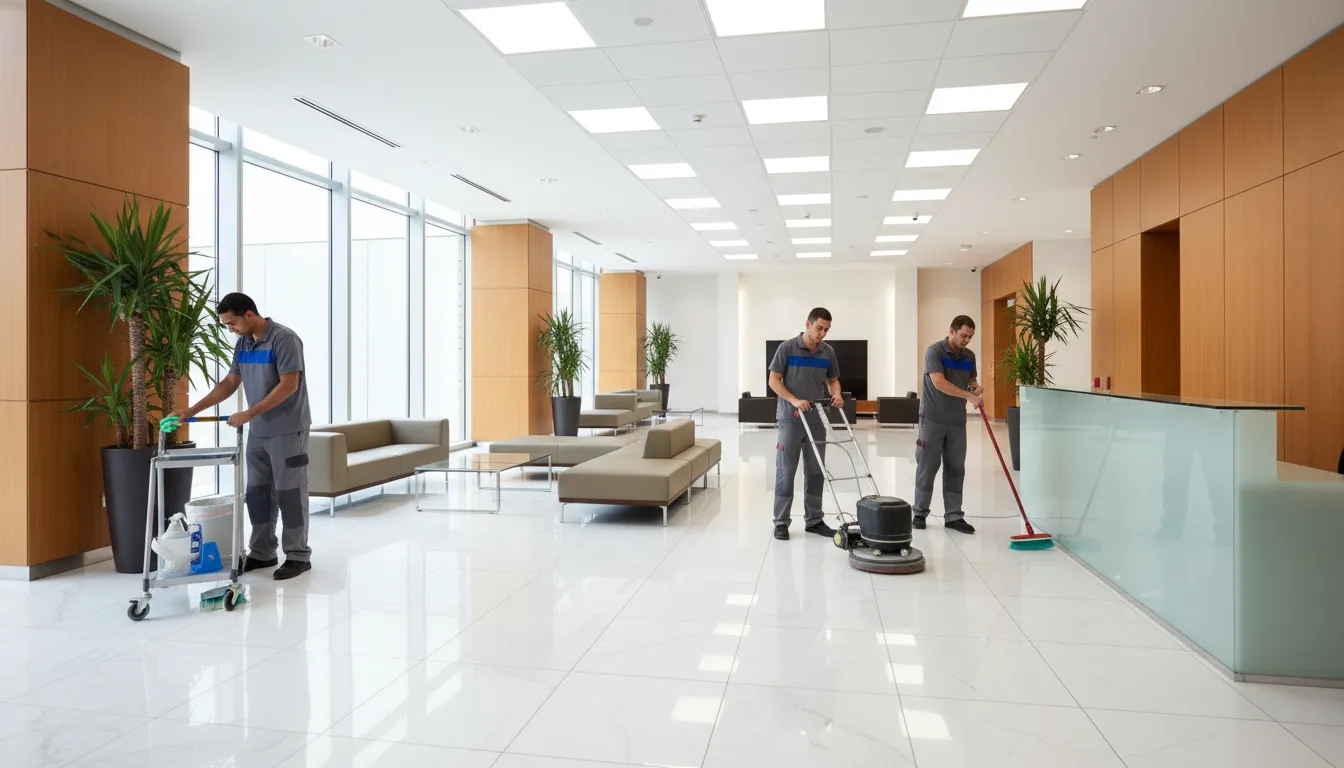
Multi-tenant buildings expose weak cleaning plans first: shared lobbies stay busy while tenant needs keep changing. A useful checklist turns that daily pressure into clear tasks, frequencies, and accountability.
An office cleaning checklist for multi-tenant buildings should assign tasks by space, traffic, cleaning frequency, and responsible team rather than rely on one nightly list. It should separate shared lobbies, elevators, restrooms, corridors, and loading areas from tenant suites, then document completion and exceptions for each shift. Daily work should cover waste, visible soil, restocking, spills, and high-touch points, while weekly and periodic work addresses floors, glass, fixtures, and deep cleaning. Schedules must also flex for tenant occupancy, special events, weather, and service issues. The CDC recommends regular cleaning of high-touch surfaces, making frequent attention to elevator buttons, door handles, and restroom fixtures a practical baseline across the entire property.
The core question is not whether every area needs cleaning, but who handles each task and how often. Office cleaning checklist for multi-tenant buildings lays out that framework, from daily shared-space duties to scheduled deep work and quality checks. Here’s how.
Office cleaning checklist for multi-tenant buildings
A multi-tenant office cleaning checklist should separate landlord-controlled areas from tenant spaces. It should also assign clear frequencies, owners, and inspection points. This structure helps property managers keep shared areas consistent while respecting each tenant’s access rules and work schedule.
Entrances, lobbies, and shared common areas
Start where occupants and visitors form their first impression. Check the lobby, elevator banks, stairs, hallways, shared meeting rooms, and building amenity spaces. High-traffic zones may need more frequent service, especially during wet weather or busy move-in periods.
- Remove litter, empty waste bins, replace liners, and clean entry glass.
- Vacuum mats and carpet; dust-mop and damp-mop hard floors.
- Wipe reception counters, directories, elevator panels, railings, and door hardware.
- Dust ledges, baseboards, vents, signs, and furniture surfaces.
- Spot-clean walls, doors, interior glass, and visible floor marks.
- Check shared rooms after use, then reset chairs and supplies.
Include less visible details in each inspection. A review of commonly missed cleaning areas can help teams catch buildup behind doors, along edges, and around fixtures.
Restrooms, breakrooms, and touchpoints
Shared restrooms and breakrooms need a clear service log because many tenants use them throughout the day. Assign daytime checks for supplies, spills, waste, and odors. Reserve deeper cleaning for low-traffic hours when surfaces can stay clear.
- Clean sinks, faucets, counters, mirrors, toilets, urinals, partitions, and dispensers.
- Restock soap, paper products, and liners before supplies run low.
- Clean tables, counters, cabinet fronts, appliance exteriors, and breakroom sinks.
- Remove food waste and wipe spills from the refrigerator and microwave.
- Clean door handles, elevator buttons, switches, shared phones, and touchscreens.
- Record leaks, broken dispensers, stains, or other repair needs.
The CDC advises regular cleaning of high-touch surfaces, including door handles, elevator buttons, restroom fixtures, and desks. Clean visible soil before disinfecting because dirt can reduce how well a disinfectant works.
Tenant spaces, floors, and quality checks
Tenant suites require an agreed scope before service begins. Note access hours, alarm steps, secure rooms, desk-cleaning rules, waste streams, and special floor needs. Keep a separate schedule for vacant suites, move-ins, and move-outs.
Within approved areas, empty bins, vacuum carpet, mop hard floors, dust open surfaces, and clean interior glass. Do not move papers, devices, or personal items unless the tenant has approved that task. Flag spills, damage, and safety concerns for the property manager.
Finish each shift with a floor-by-floor check. Inspect corners, edges, entries, restrooms, and shared touchpoints under normal lighting. Log missed work and repeat issues, then assign corrections before the next tenant rush.
Daytime coverage can support quick spill response, supply checks, and shared-area upkeep. Property managers can use defined day porter office maintenance tasks to separate ongoing duties from nightly cleaning.
How often should each office area be cleaned?
A useful office cleaning checklist assigns work by traffic, shared use, and the risk of visible buildup. Start with the busiest common areas, then adjust the schedule for each tenant’s hours and needs. This approach keeps teams focused on spaces that affect the most people.
Cleaning frequency should also change when traffic rises, spills occur, or illness spreads. The CDC advises more frequent cleaning in high-traffic areas and notes that added disinfection may be useful. Property managers should review the plan after events, tenant changes, and busy seasons.
Daily priorities for shared spaces
Daily work should cover entrances, elevator areas, restrooms, break rooms, and shared touchpoints. These spaces collect soil fast and shape each tenant’s view of the building. Clean door handles, elevator buttons, restroom fixtures, counters, and other high-touch points during each service visit.
A day porter can handle spills, restock supplies, and check common areas between scheduled evening services. Use defined day porter office maintenance tasks so managers can track what was checked, when it was done, and who completed it.
| Office area | Daily focus | Weekly focus | Monthly focus |
|---|---|---|---|
| Main entrance and lobby | Vacuum mats, remove litter, clean glass | Detail corners and ledges | Deep-clean entry flooring |
| Elevators and corridors | Clean buttons, rails, and visible marks | Detail doors and floor edges | Clean vents and high surfaces |
| Shared restrooms | Clean fixtures, floors, and touchpoints | Detail partitions and dispensers | Deep-clean grout and hard-to-reach areas |
| Break rooms | Clean counters, sinks, tables, and spills | Detail appliances and cabinet fronts | Clean appliance interiors |
| Tenant suites | Remove waste and address visible soil | Dust, vacuum, and spot-clean | Detail edges, vents, and high surfaces |
| Conference rooms | Reset after heavy use | Clean furniture and touchpoints | Detail upholstery and equipment areas |
Weekly tasks that prevent buildup
Weekly work reaches areas that do not need attention every day but still affect appearance and hygiene. Teams can dust low surfaces, detail appliance fronts, vacuum edges, and spot-clean doors or walls. Schedule these tasks by floor or tenant zone to avoid missed work.
Managers should also compare service records with tenant concerns and inspection notes. If the same issue returns before the next visit, move that task to a higher frequency. A set schedule is a starting point, not a reason to ignore current conditions.
Monthly detail work and schedule reviews
Monthly tasks focus on slow buildup in vents, high ledges, corners, floor edges, and other less-visible spots. Rotate these details across the building so the workload stays steady. A list of commonly missed cleaning areas can support inspections and reduce gaps.
Review the full schedule each month with cleaners, property staff, and tenant contacts. Check whether traffic patterns, occupancy, or access hours have changed. Then raise or lower frequencies by area while keeping shared restrooms, entrances, and touchpoints at the top of the plan.
Build a reliable day porter handoff
Occupied-hours priorities
A day porter protects the building’s appearance and function while tenants, staff, and visitors are present. The role centers on quick response, steady checks, and clear communication rather than deep cleaning. A property manager can define these duties within an office cleaning checklist for each shared space.
Core rounds should cover entry glass, lobby furniture, elevator areas, restrooms, break rooms, and shared corridors. Porters wipe visible marks, address spills, empty full bins, and restock soap, paper goods, and other supplies. The CDC advises teams to clean high-touch surfaces regularly, including door handles, elevator buttons, touchpads, restroom fixtures, and desks.
Each round should also account for the building’s live conditions. A busy lobby may need more checks after deliveries, rain, or a tenant event. A detailed list of day porter office maintenance tasks can help managers set clear duties without pulling porters into evening crew work.
A six-step handoff workflow
The handoff should turn daytime observations into specific evening assignments. Use one shared log with locations, times, actions taken, and open items. Photos can help when a spill left a stain or damage needs review.
- Review the daily scope. At the start of the shift, confirm tenant events, deliveries, access limits, and supply needs with the property manager.
- Log each completed round. Record the time, area, routine tasks, and any issues that may affect later cleaning.
- Escalate urgent risks at once. Report active leaks, blocked exits, broken fixtures, or unsafe spills instead of leaving them for handoff.
- Separate resolved and open items. Mark what the porter finished, then assign each remaining task to the right evening crew member.
- Check stock and equipment. Note low supplies, damaged tools, and items that must be staged before the next occupied shift.
- Complete a brief shift review. The day porter and evening lead should review priority areas, access notes, and unusual tenant requests together.
Shared records and ownership
A useful handoff record is short enough to complete but detailed enough to act on. Include the exact floor, room, issue, time found, action taken, and next owner. Avoid notes such as “needs cleaning,” which give the evening crew no clear scope.
Managers should review recurring items each week. Repeated restroom shortages may call for new refill levels, while repeated lobby marks may require a new daytime round. The log also shows whether evening work was completed and whether unresolved items need a vendor, tenant contact, or building engineer.
Keep daytime response and evening deep cleaning distinct, but connect them through one accountable process. That structure helps the porter preserve presentation during occupied hours while the evening team starts with current, useful information.
Coordinate cleaning across tenant spaces
A clear scope begins with a simple rule: name who owns each task before service starts. The property manager may control common areas, while each lease may assign different duties inside tenant suites. Review lease terms, then record each decision in one shared office cleaning checklist.
Landlord and tenant responsibilities
Separate building-wide duties from suite-level work. Common-area tasks may include lobbies, elevators, shared restrooms, corridors, and waste rooms. Suite tasks may cover desks, private kitchens, conference rooms, internal restrooms, and tenant-owned equipment.
For every space, list the task, service frequency, responsible party, and approval contact. Include supply ownership and special requests, such as recycling rules or secure waste handling. This detail prevents two crews from doing the same work or assuming the other crew handled it.
- Property manager: common areas, building access, shared supplies, and service standards
- Tenant contact: suite access, private-area requests, desk-clearing rules, and restricted rooms
- Cleaning team: completed-task logs, supply alerts, damage notes, and missed-access reports
Access, security, and privacy
Set approved service windows for each suite, then document keys, badges, alarm steps, and escort needs. Name a backup contact for locked spaces or access failures. Cleaners should also know which rooms, cabinets, desks, and devices are off-limits.
Privacy rules should be clear and easy to follow. For example, require tenants to clear sensitive papers before service and tell cleaners not to move labeled materials. Keep access records current when tenants move, expand, or change staff.
The CDC advises facilities to clean high-touch surfaces regularly. Assign one owner for shared door handles, elevator buttons, touchpads, and restroom fixtures. Clear ownership keeps these shared points from being skipped between suites.
One record for completed work
Use one task matrix for the full building, but label every item by floor, suite, and responsible party. Require cleaners to log completion, exceptions, and blocked access after each visit. Tenant contacts can then report concerns against the same record.
Add a short review of commonly missed cleaning areas to routine inspections. Compare the inspection with completed-task logs before approving extra work. This check finds gaps without creating a second, competing checklist.
When a tenant requests a change, update the shared scope before the next service. Send the revision to the tenant contact, cleaning lead, and property manager. A clear change record prevents missed work, duplicate billing, and disputes over responsibility.
How do you verify cleaning quality?
A useful office cleaning checklist does more than assign tasks. It also gives property managers a clear way to confirm the work. Quality checks should connect the agreed scope, service records, site inspections, and tenant feedback.
Service logs and issue records
Start with a service log for each visit. The cleaner should record completed tasks, skipped work, supply needs, damage, and any area that needs follow-up. Keep entries brief and specific so the property manager can review them without sorting through vague notes.
- Date, shift, and areas serviced
- Tasks completed or missed
- Restroom and supply concerns
- Spills, damage, or access problems
- Issue owner and follow-up status
The log should also show whether high-touch surfaces received proper attention. The CDC recommends regular cleaning of high-touch surfaces, including door handles, elevator buttons, restroom fixtures, and desks. These details make records easier to compare with the approved scope.
Spot checks tied to the scope
Use short spot checks to test whether the written checklist matches actual conditions. Inspect a mix of common areas, tenant spaces, restrooms, and less visible locations. Rotate the sample so teams do not focus only on the same easy-to-see areas.
Check for clear signs of completed work, such as empty bins, clean fixtures, dust-free ledges, and floors without loose debris. Include commonly missed cleaning areas such as corners, vents, baseboards, and spaces behind doors. Record each concern with its location, condition, and requested fix.
Set an escalation path before problems occur. Urgent hazards should reach the right building contact at once. Routine misses can enter the service log, receive an owner, and stay open until a later inspection confirms the fix.
Tenant feedback and scope updates
Tenant feedback can show patterns that a brief inspection misses. Give tenants one clear way to report concerns, then group comments by floor, area, and issue type. Separate one-time requests from repeat concerns before changing the cleaning plan.
Review feedback beside service logs and spot-check notes. If several records point to the same problem, refine the task, timing, access plan, or assigned area. For multi-tenant properties, align those changes with the building’s broader office cleaning services scope.
- Add a task when records show a repeat gap.
- Clarify wording when teams read a task in different ways.
- Change timing when occupancy or traffic patterns shift.
- Remove a task only after confirming it no longer serves the space.
Plan periodic floor care and deep cleaning
When routine service stops being enough
A routine office cleaning checklist covers tasks that keep shared spaces ready each day. It does not replace periodic work that removes soil from carpet fibers or restores worn floor finishes. Property managers should add periodic care when entrances stay dull after mopping, carpet lanes look darker, or tenant turnover exposes neglected areas. These signs show that daily tools and time limits no longer match the need.
Traffic patterns should set the schedule, not a fixed calendar alone. Main entrances, elevator lobbies, corridors, loading paths, and shared kitchens often need care before private suites do. An EPA housekeeping guide lists carpet and mat vacuuming in main entrances and lobbies at 150 to 250 times per year. Use that range as a planning reference, then adjust for weather, occupancy, and visible soil.
Carpet and hard-floor schedules
Build separate cycles for carpet and hard floors because they fail in different ways. Carpet may need spot treatment, low-moisture cleaning, or extraction based on stains and traffic lanes. Hard floors may need machine scrubbing, recoating, or finish restoration. Schedule that work when routine dust mopping and damp mopping no longer produce an even surface. Record the service date, area, method, and drying time.
A single provider can make these cycles easier to manage across tenants and common areas. Foreman Pro’s commercial cleaning services include carpet cleaning, floor stripping, waxing, and buffing alongside regular janitorial work. Keep periodic work in the building calendar, and give tenants notice when noise, access limits, or drying time may affect their suites.
Deep-cleaning triggers and scope
Schedule a deep clean around events that create more work than the daily scope can absorb. Useful triggers include tenant move-ins and move-outs, post-construction dust, seasonal salt, water tracked from storms, and long periods of heavy use. Define the affected zones before work begins, including service corridors, freight elevators, vacant suites, and shared restrooms. This keeps the project focused and limits disruption for occupied spaces.
Pair each deep-clean project with a short inspection before and after service. Check corners, floor edges, under movable furniture, door thresholds, and other commonly missed areas. Photos and notes give property teams a clear record for tenant handoffs and future planning. For routine needs between projects, align office cleaning services with the building’s periodic-care calendar.
Frequently Asked Questions
How often should common areas in a multi-tenant office building be cleaned?
Cleaning frequency should follow traffic, use, tenant schedules, and lease requirements rather than one fixed rule. Shared restrooms, lobbies, elevators, and touchpoints often need daily attention, while deeper floor and detail work can follow weekly or periodic schedules. The CDC advises cleaning high-traffic areas more frequently and adding disinfection when conditions call for it. Review complaint logs and inspections monthly to adjust the schedule.
What should property managers assign to tenants versus the building cleaning team?
Property managers should define responsibility by space type in the cleaning scope and each tenant’s lease. The building team usually oversees common lobbies, elevators, corridors, shared restrooms, and exterior entry points. Tenants may control cleaning inside leased suites unless the contract provides building-wide service. Document access rules, service windows, supply ownership, emergency contacts, and issue reporting so gaps do not become disputes.
How can facility teams verify that office cleaning tasks were completed?
Use a room-by-room inspection form with clear standards, task frequency, service time, and responsible party. Review high-visibility areas first, then sample less visible spaces and commonly missed touchpoints. Record photos, completion times, supply shortages, and corrective actions in one shared log. Compare inspection results with tenant complaints and repeat issues, then update training or schedules when the same problem continues.
When should an office cleaning checklist include disinfection?
Include disinfection when illness risk is elevated, a space has heavy traffic, or facility policy requires it. Routine cleaning with soap or detergent removes most harmful germs from surfaces, according to the CDC. Clean visible dirt before applying a disinfectant because debris can reduce its effectiveness. Follow the product label for contact time, ventilation, protective equipment, and approved surfaces.
What affects the cost of cleaning a multi-tenant office building?
Cost depends on total cleanable area, occupancy, service frequency, floor types, restroom count, and required service hours. Multi-tenant buildings may also need day porter coverage, controlled access, separate tenant billing, or work around varied operating schedules. Specialized spaces and periodic services, such as carpet extraction or hard-floor care, add scope. Request pricing against a written checklist so vendors quote the same tasks and frequencies.
Ready to Set a Clearer Standard for Every Tenant?
When cleaning duties stay unclear, missed tasks can lead to tenant complaints, rushed corrections, and uneven standards across shared spaces. Waiting also makes recurring gaps harder to trace because each tenant, vendor, and shift may follow a different routine. Starting now gives your team time to set priorities, assign ownership, and build a practical baseline before the next service cycle.
Ready to give every floor a clear, accountable cleaning plan? Contact Foreman Pro Cleaning to request a customized commercial cleaning plan and a practical service schedule for your multi-tenant property. Share your building needs today so your team can begin the next service cycle with defined tasks and fewer preventable gaps.
